Rising fuel prices threaten NSRI's lifesaving operations


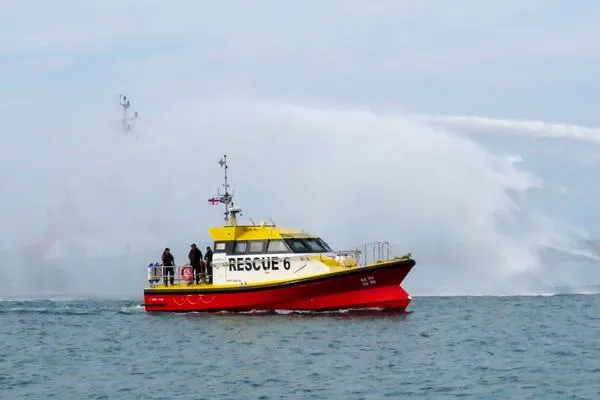
Fuel price surge puts pressure on NSRI training, readiness and prevention efforts, despite rescue operations remaining fully protected.
Image: Supplied
When a rescue boat launches into rough seas, few people think about what makes that moment possible, the training, the fuel, and the preparation behind the scenes.
A global surge in fuel prices is placing mounting pressure on those systems at the National Sea Rescue Institute (NSRI), with officials warning that rising costs are beginning to strain training, readiness and prevention efforts that underpin lifesaving work.
The NSRI relies heavily on fuel for its rescue vessels, response vehicles and training, with annual boat running costs already exceeding R5.5 million, exposing the organisation to sharp cost increases and ongoing financial pressure.
While emergency responses will not be compromised, the impact is being felt across the work that keeps crews prepared and communities safer, particularly in high-risk coastal environments where rapid response is critical.
Driven by escalating geopolitical tensions in the Middle East, fuel price increases are expected to push up both petrol and diesel costs in the coming months, with direct consequences for fuel-dependent operations.
“We will never stop responding to emergencies,” warned NSRI CEO Mike Vonk. “But if fuel costs rise sharply, the pressure moves into the systems that keep our crews ready and our prevention work active, helping to save lives before emergencies happen.”
Fuel underpins every part of the organisation’s work, from rescue vessels and response vehicles to the training that prepares volunteers for dangerous and unpredictable conditions at sea.
The strain is most evident in training programmes and in water safety and survival swimming initiatives aimed at reducing drowning risks, particularly in disadvantaged communities where prevention efforts are critical and often life-saving.
To manage rising costs, the NSRI has begun tightening fuel use, prioritising critical operations and refining training to ensure maximum value from every session, while keeping frontline rescue capacity fully protected.
“Fuel doesn’t just power our boats,” Vonk said. “It powers every part of our ability to save lives, from training and readiness to prevention in communities.”
NSRI communications manager Andrew Ingram said the impact is often underestimated.
“There will always be fuel for rescues. That is non-negotiable,” he said. “But people may not realise how much fuel increases will affect a non-profit like ours, and those increases ripple through our training, prevention and readiness.”
As fuel prices climb, rescue boats will continue to launch without hesitation, but the systems behind those responses are under increasing strain, placing added pressure on efforts that help prevent emergencies before they happen.