Engaging men in the fight against gender-based violence in Delft


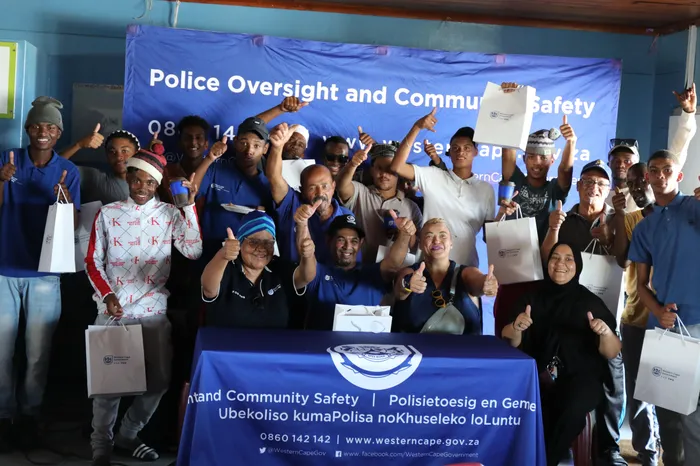
Men in Delft engage in a Western Cape government dialogue tackling GBV through emotional awareness, trauma healing and behaviour change.
Image: Supplied
The Western Cape government is stepping up efforts to tackle gender-based violence by engaging men directly in conversations about emotions, trauma and behaviour change.
The Western Cape Department of Police Oversight and Community Safety hosted a GBV Men’s Dialogue at the Voorbrug sports field in Delft on March 24, bringing together community members to reflect on the drivers of violence and explore healthier ways of responding to conflict.
The session focused on emotional awareness and regulation, with participants guided through exercises aimed at helping them better understand and manage their reactions. Organisers said building emotional literacy is key to reducing violence and fostering more constructive behaviour.
The dialogue also created space for reflection, including a moment of silence in memory of a former participant who died, highlighting the ongoing impact of trauma and the need for sustained intervention.
Violence prevention researcher, and practitioner Melanie Lue contributed to the session, explaining how trauma affects brain function and behaviour. She emphasised the importance of recognising and processing emotional pain, warning that unresolved trauma can shape harmful patterns in both present and future actions.
Participants took part in group discussions based on real-life scenarios, examining non-violent alternatives and sharing personal experiences. Many noted that societal expectations often discourage men from expressing emotions, and said the dialogue offered a rare space for openness.
Western Cape Minister of Police Oversight and Community Safety Anroux Marais said initiatives like the men’s dialogue are critical in addressing the root causes of GBV.
“Initiatives like the GBV Men’s Dialogue are critical in our fight against gender-based violence. By creating safe spaces for men to engage, reflect, and learn healthier ways of expressing emotions, we are building a culture of accountability, empathy and respect,” Marais said.
Farren Botha, who leads the initiative within the department, said engaging men is essential alongside supporting victims.
“Gender-based violence remains a scourge in our society, and while we will continue to support women who are victims, it is equally important that we actively engage men. We must create opportunities for men to learn healthier, more constructive ways of showing up in the world,” Botha said.
The dialogue forms part of a pilot programme aimed at driving behavioural change and strengthening community-based approaches to violence prevention. Officials said the department plans to expand similar initiatives, stressing that long-term safety depends on collective action and confronting GBV at all levels of society.