How NSRI and Scouts are training youth to prevent drowning


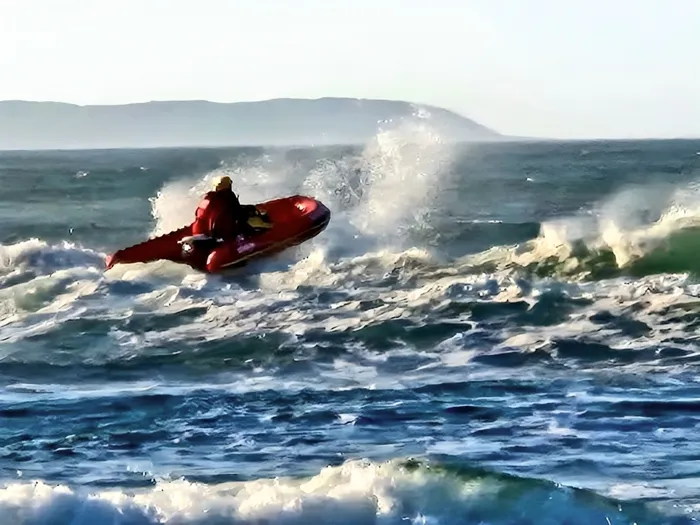
Youth step up to save lives as NSRI and SCOUTS programme tackles drowning risks in Western Cape communities.
Image: Facebook
A partnership between the National Sea Rescue Institute (NSRI) and SCOUTS South Africa is placing young people at the centre of efforts to reduce drowning incidents in the Western Cape, combining lifesaving training with pathways into future careers.
The initiative comes amid ongoing concern over water safety, with South Africa recording about 1,400 drowning deaths annually, nearly a third involving children. Recent incidents in the Western Cape have continued to highlight the risks, particularly among inexperienced swimmers.
Through the Scouts’ Scouting-in-Schools programme, about 335 volunteer Scout leaders recently received training in water safety and survival swimming. Of those, 192 have committed to continuing with NSRI programmes, moving from basic exposure to active participation in structured lifesaving development.
The programme creates a clear pipeline, from foundational water safety skills to roles such as survival swimming instructors, lifeguards and, potentially, volunteer rescue crew, aligning with broader efforts to strengthen drowning prevention.
NSRI honorary life governor Keith Burchell said the initiative was designed as a long-term intervention.
“We wanted to create a pathway for young people to come into the NSRI, whether as volunteers, lifeguards or even future crew. What we are seeing now is that pathway coming to life,” he said.
He added that the programme is already helping participants overcome fear in the water, a key barrier to safety in many communities.
The programme is delivered in partnership with SCOUTS South Africa’s Western Cape Scouting-in-Schools initiative, which focuses on youth development, particularly among those not in employment, education or training.
Project manager Tasmin Kriel said the collaboration is about both prevention and opportunity.
“This is about exposing young people to opportunities they’ve never had before. It creates a journey, from learning to swim, to volunteering, and potentially to a career in lifeguarding,” she said.
“At the same time, they take the water safety knowledge back into their communities, helping to prevent drowning and keep others safe.”
NSRI community programmes coordinator Caville Abrahams said the ripple effect of the programme is critical.
“We are teaching young people how to be safe in and around water, but also equipping them to teach others in their communities. This is about upskilling youth and creating opportunities, and ultimately creating futures,” he said.
Participants will now move into the next phase, which includes delivering water safety presentations in schools, supporting national awareness campaigns, and gaining hands-on experience at public swimming facilities.
Those who meet the requirements will progress into survival swimming instructor training and, ultimately, lifeguard qualifications, contributing to a growing pool of trained lifesavers in the province.
For many participants, the impact has been immediate.
Amahle Tshunungwa, 20, from George, said the training had boosted her confidence and ability to help others.
“We’re not really swimmers back home, so learning how to swim properly and understanding water safety has helped me a lot. Now I can teach others as well,” she said.
Lynnden Buttress, 27, from Mitchells Plain, said such skills are critical in communities where water safety knowledge is limited.
“Swimming and water safety are skills many of our youth don’t have. Learning how to stay calm and float can prevent a drowning, and now I can take that knowledge back to my community,” he said.
Mbali Azolibe, 20, from Khayelitsha, said the programme helped her overcome fear.
“At first it was scary, but I learned to trust myself. Now I know how to help someone else and how to keep myself safe,” she said.