Bird Island's Cape Gannet population reaches over 43 000


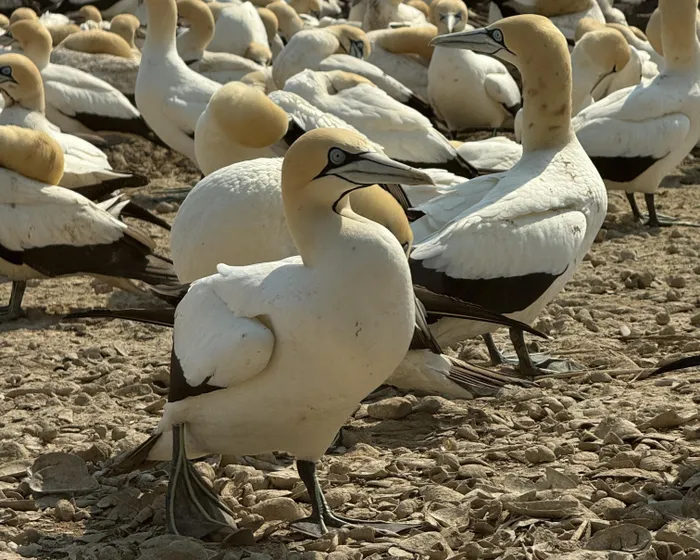
Over 43 000 Cape Gannet crowd Bird Island off Lambert’s Bay, signalling a strong breeding season and continued recovery for the endangered seabird.
Image: Supplied
More than 43 000 Cape Gannet have settled on Bird Island off Lambert’s Bay this breeding season, marking a sustained recovery for the endangered seabird and reinforcing the site’s status as one of South Africa’s most important breeding colonies.
The latest figures build on a steady upward trend. Cape Argus previously reported numbers peaking at about 45 000 birds in 2025, the highest in nearly two decades, after the colony had remained in the 30 000 range for several years. Conservationists say the continued strength suggests Bird Island is increasingly being selected by gannets from other colonies.
The CapeNature team monitoring the island says work is under way to enhance population tracking and improve the accuracy of long-term data, as numbers climb well into the 40 000s.
The Cape gannet is listed as Endangered on the IUCN Red List and Vulnerable locally. With the species breeding at just six sites globally, three in South Africa and three in Namibia, gains at Bird Island carry significant weight for its long-term survival.
The colony’s recovery follows a dramatic collapse in December 2005, when seal predation on land caused the birds to abandon the island entirely. Targeted conservation measures, including predator management and the use of decoys, helped lure the birds back and rebuild the colony.
“This kind of sustained occupancy is a positive sign for the species and for the marine environment that supports them,” said Dr Ashley Naidoo.
“Large, stable gannet colonies like the one on Bird Island are important indicators of ocean health along the West Coast. These seabirds rely on healthy marine ecosystems for their nutrition and breeding success.”
Scientists have long linked fluctuations in gannet numbers to the availability of small pelagic fish such as sardines and anchovies, underscoring the close relationship between seabird populations and ocean conditions.
Early indications suggest this could be one of the strongest fledging seasons in recent years, with 7 647 fledglings already recorded and several weeks still remaining.
Gannet fledging marks a critical stage in the birds’ lifecycle, with juveniles leaving the colony to spend up to three years at sea before returning to breed.
In partnership with the Department of Forestry, Fisheries and the Environment, rangers have ringed 750 chicks and 250 adult birds this season, contributing to national seabird monitoring efforts.
Bird Island remains home to a diverse range of seabirds, including cormorants, terns and gulls, while a moulting penguin has also taken temporary refuge within the colony.
Accessible via a breakwater, the island is one of the few gannet colonies in the world open to visitors on foot, adding to its appeal as a key eco-tourism destination on the West Coast.
CapeNature said ongoing conservation management, research and public awareness efforts will be critical to sustaining the recovery and protecting the marine ecosystems that support the species.