New TB report exposes critical treatment gaps in South Africa's healthcare system


The report further highlights the importance of decentralised care, noting that expanding community-based treatment support and integrating TB services into primary healthcare can significantly improve outcomes.
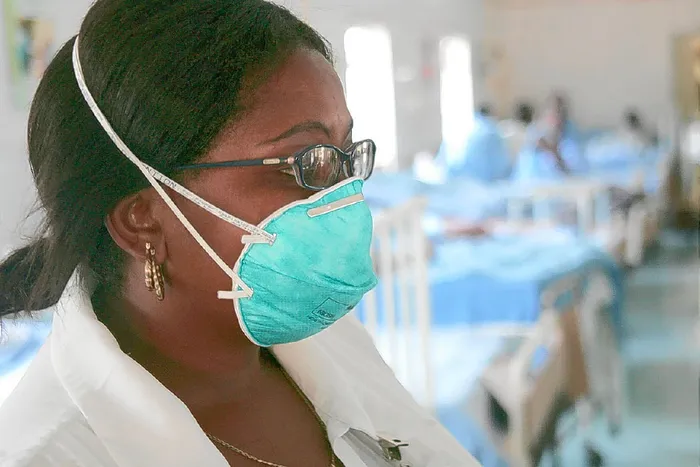
Image: KHAYA NGWENYA
South Africa is intensifying its fight against Tuberculosis, with experts warning that thousands of new infections are straining the health system despite years of public health investment.
On World TB Day, the TB Accountability Consortium launched its fifth State of TB Report at the TB Caucus Legislative Dialogue in Gauteng, highlighting both progress and ongoing gaps in TB care across all nine provinces.
The report, titled "Unlocking the TB Dashboard: How data can drive advocacy and accountability", highlights improvements in access to treatment, alongside ongoing challenges in early diagnosis, retention in care, and service integration.
The latest findings show that while treatment coverage has expanded in recent years, significant provincial disparities continue to undermine national targets.
On the role of data, the report stresses: "South Africa’s TB dashboard is more than a data tool; it’s an opportunity to strengthen testing, accountability, and community action in the TB response."
In the Western Cape, widely regarded as one of the better-performing provinces in TB care, the report notes relatively strong systems for diagnosis and treatment initiation. However, it flags concerns around treatment adherence, particularly among vulnerable populations.
Community-based support is highlighted as critical to ensuring patients complete their full course of medication. According to the report, "without treatment, TB transmission will continue… this TB data portal can aid in helping to target TB testing, particularly among high-risk populations".
According to the report, Gauteng continues to carry a heavy TB burden, with pressure on urban health facilities affecting the quality and continuity of care. While access to services is broad, the report highlights gaps in linkage to care after diagnosis and delays in treatment initiation in some districts.
In KwaZulu-Natal, which has long battled high rates of TB and HIV co-infection, integration of TB and HIV services has improved outcomes for many patients. Yet the report underscores ongoing challenges in detecting cases early and preventing loss to follow-up during treatment.
The report points to similar patterns across the Eastern Cape and Limpopo, where the rural environment continues to influence resource constraints and limit access to consistent care. Patients in remote areas often face long travel distances to clinics, contributing to delays in diagnosis and interruptions in treatment.
Meanwhile, the Free State and Northern Cape show gradual improvements in treatment success rates, but continue to struggle with case finding and data quality, which the report identifies as critical barriers to effective service delivery.
A central theme of the report is the role of real-time data in strengthening TB responses. The consortium argues that improved use of digital dashboards can help health authorities identify service gaps more quickly, allocate resources more effectively, and hold officials accountable for performance.
Speakers at the legislative dialogue emphasised that better data must translate into better services on the ground, including faster diagnosis, uninterrupted medicine supply, and patient-centred care models. They also called for stronger collaboration between the government, civil society, and legislators to ensure that TB programmes are adequately funded and responsive to community needs.
The Unlocking the TB Dashboard theme, central to the 2026 report launch, aligns with developments in TB data transparency that the Western Cape has piloted, such as public‑facing dashboards designed to monitor key indicators like tests conducted, positivity rates, and case counts in near real time.
Advocates argue these tools improve visibility and can drive accountability and targeted action at the provincial and district levels.
The report further highlights the importance of decentralised care, noting that expanding community-based treatment support and integrating TB services into primary healthcare can significantly improve outcomes.
It also calls for intensified efforts to reach high-risk groups, including people living with HIV, informal settlement residents, and mineworkers.
Get your news on the go, click here to join the Cape Argus News WhatsApp channel.
Cape Argus