SAPS and SANDF prepare for deployment to combat crime in Cape Town's hotspots


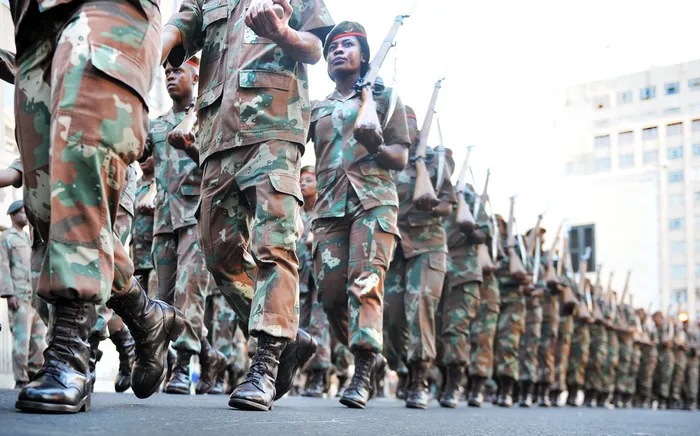
SAPS and SANDF conduct joint hotspot assessments ahead of planned military deployment to crime-affected areas in Cape Town.
Image: Phando Jikelo / Independent Newspapers
Police and military teams have begun ground and aerial assessments ahead of the planned deployment of the South African National Defence Force (SANDF) to identified crime hotspots in Cape Town.
SAPS in the Western Cape confirmed that a select contingent of members and SANDF personnel have been conducting an “operational scanning exercise” from Wednesday to Thursday.
SAPS national spokesperson Brigadier Novela Potelwa said the exercise forms part of preparations for the anticipated deployment.
“This exercise should not be mistaken for the actual commencement of deployment of the SANDF,” Potelwa said.
“The operational exercise currently underway is essential preparation for the integrated forces ahead of the actual deployment.”
The operation follows President Cyril Ramaphosa’s February 12 State of the Nation Address, where he announced that SANDF members would be deployed to support police in tackling gang violence and illicit mining in identified hotspots.
Police said the exercise involves a limited air and ground presence in identified areas and is aimed at preparing coordination between SAPS and the military.
“Members of the public are urged to respect the operational space these forces require and refrain from speculating about their presence in the targeted areas,” Potelwa said.
The assessments form part of planning for deployment to high-risk areas that have historically experienced recurring gang-related violence.
Western Cape Minister of Police Oversight and Community Safety Anroux Marais, speaking in a statement on Wednesday, said SAPS had indicated that SANDF members could be deployed in the province by April 1.
“This intervention must be collaborative, intelligence-led, data-driven, and operationally focused,” Marais said.
“We need coordinated plans that will actively dismantle criminal networks, gangs, and extortion groupings that continue to terrorise our communities.”
She added that the deployment should not only increase visibility, but also result in effective investigations and prosecutions.
“We must ensure that those responsible for violence, extortion, and organised crime are removed from our communities permanently through effective investigation and prosecution,” Marais said.
Marais also called on residents to support law enforcement efforts by sharing information on criminal activity.
“Our communities are critical partners in the fight against crime. We urge residents to come forward with information,” she said.
Cape Argus has previously reported on incidents in which bystanders were caught in crossfire, as well as ongoing community concerns about safety in affected areas.
Community leaders and policing stakeholders have also raised concerns about capacity constraints within SAPS in high-risk precincts, including the need for increased visible policing.
A similar SANDF deployment to the Cape Flats in 2019 brought a visible security presence in affected communities, although questions were later raised about the long-term impact after troops were withdrawn.
The development also comes amid broader safety concerns, including recent taxi-related violence highlighted during a march by the Cape Amalgamated Taxi Association to Nyanga police station.
Police have not yet confirmed a date for the full SANDF deployment.