City data highlights repeated encounters with rough sleepers in Cape Town


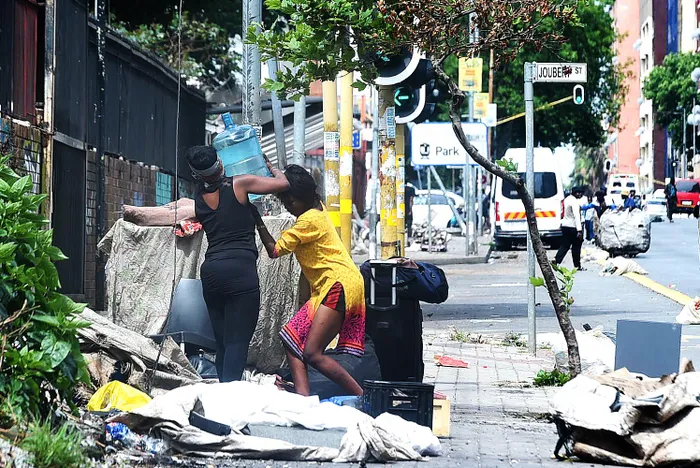
City data shows repeat engagements with the same individuals are driving homelessness figures, as Cape Town develops a new system to track pathways off the streets.
Image: Itumeleng English/Independent Newspapers
Many residents across Cape Town say they continue to see the same people sleeping rough in the same locations over time, despite ongoing outreach efforts.
Data from the City of Cape Town reveals that repeated engagements with the same individuals make up a significant portion of the city's response to homelessness.
In the past financial year, City outreach teams recorded 36 507 engagements with people sleeping rough. However, this does not represent 36 000 different individuals, as it includes multiple interactions with the same people during follow-ups, referrals and ongoing support.
During the 2024/2025 financial year, approximately 6,432 individuals were screened by outreach teams.
This gap points to a key challenge for the City in measuring outcomes over time, particularly in determining how many people successfully transition off the streets.
The current system used to record this information relies on paper-based forms, manual data capturing and multiple databases across City departments and partner organisations.
This approach can make it difficult to consistently track a person’s progress across different services, from initial contact on the street to shelter placement or reintegration support.
In practice, this means the same individuals may be engaged multiple times without a clear, system-wide view of their progress over time.
“The figure of 36 507 refers to engagements rather than unique individuals. Outreach teams often engage with the same individuals multiple times as part of ongoing support, follow-up visits, and referrals to services,” said Councillor Francine Higham, the City’s Mayoral Committee Member for Community Services and Health.
She said the City is developing a Street People Data Management System to improve how information is captured and used.
The system is intended to replace manual processes with a centralised digital platform to improve the consistency of tracking engagements, referrals and service outcomes.
“The intention is to strengthen the City’s ability to track individual support journeys and ensure that people are connected to appropriate services that support pathways off the street,” Higham said.
The platform is expected to capture information already collected during outreach engagements, including basic demographic details, living circumstances and referrals to services such as Safe Spaces, shelters, healthcare and reintegration programmes.
It is also expected to improve the City’s ability to distinguish between first-time engagements and repeat interactions.
According to the City, improved data analysis could also help identify areas where outreach engagements are most frequent, informing planning and resource allocation.
The system is still in development, with further testing and refinement planned before a phased rollout. The project has been allocated a budget of R6 million.
Higham said the City is working to ensure the system complies with the Protection of Personal Information Act, with controls in place to limit access to authorised personnel and frameworks governing how information is shared with partner organisations.
“The City’s approach is to balance the need for coordinated service delivery with the protection of the dignity and privacy of individuals engaging with support services,” she said.
The City maintains that improved coordination and data could strengthen its ability to connect people sleeping rough with shelters, social services and reintegration opportunities.