Cape Town's dirty secret as sewage discharge appeal leaves oceans in Peril


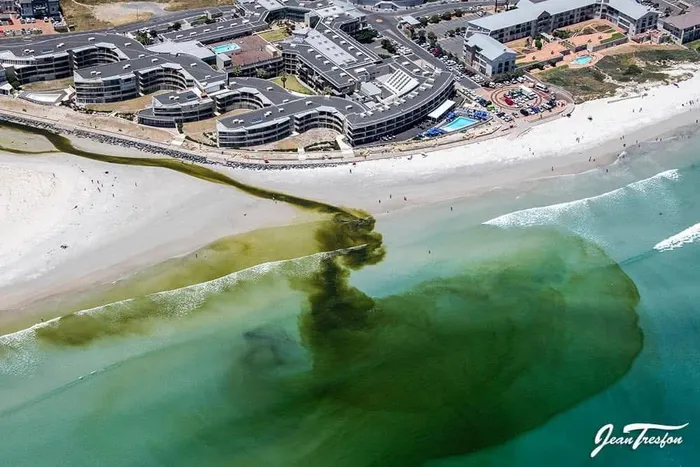
Dirty water, believed to be from an outfall pump, is pouring into the sea in Milnerton Beach, Cape Town.
Image: Supplied
Pressure is mounting on the national Department of Forestry, Fisheries and the Environment (DFFE) to finalise a long-delayed appeal challenging licences that allow the City of Cape Town to discharge sewage into the ocean through its marine outfalls.
The appeal, lodged in February 2023, relates to permits issued by the department for the City’s marine outfall systems at Green Point marine outfall, Camps Bay marine outfall and Hout Bay marine outfall.
Political party ActionSA this week said the matter has yet to be finalised, raising concerns about the continued discharge of effluent into the ocean while the appeal remains pending.
Michael Beaumont, ActionSA national chairperson, said large volumes of sewage had continued entering the ocean while the appeal process remained unresolved.
“At least 2.4 billion litres of raw, untreated sewage have been pumped into Cape Town’s oceans in the past three months since ActionSA made representations to the appeals panel reviewing the decision by the Department of Forestry, Fisheries and the Environment to issue licences to the City of Cape Town for its ongoing sewage discharges into the ocean,” Beaumont said.
He said the appeal was originally filed in February 2023 and argued that stricter licensing conditions should be imposed on the City.
The party said the ongoing delays in finalising the appeal raised questions about oversight of the marine outfall system and the environmental implications of continued sewage discharge into coastal waters.
Marine outfalls have been used in Cape Town for more than a century, with pipelines carrying screened wastewater far offshore before it is released into the ocean.
The practice has long been debated, with environmental groups and some residents raising concerns about potential ecological and health impacts, while the City has previously maintained that the outfalls operate within regulated permit conditions and are monitored.
The debate over ocean outfalls comes amid broader concerns about sewage pollution affecting rivers, wetlands and lagoons across the city.
Environmental campaign group Rethink the Stink has warned that sewage spills entering waterways through stormwater systems remain a significant source of pollution in Cape Town. Campaigners say these spills are often linked to sewer blockages caused by inappropriate items such as wet wipes, nappies and sanitary products being flushed into the sewer network.
They also warn that sewage pollution can have long-term ecological consequences even after bacteria levels decline, as nutrients such as nitrogen and phosphorus can remain in the water and accumulate over time, potentially contributing to harmful algal blooms.
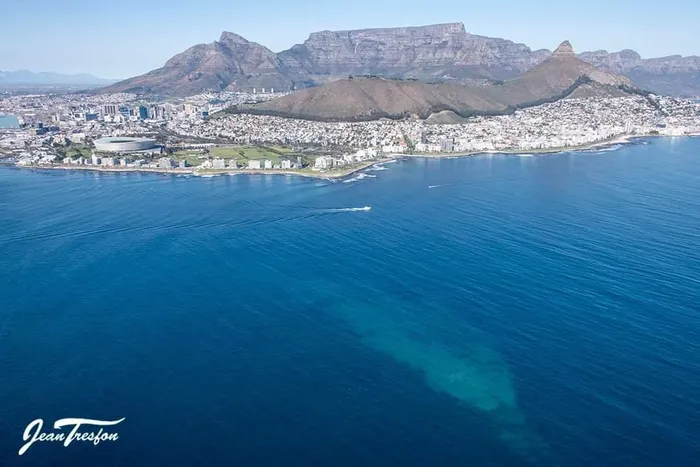
An aerial view of Cape Town’s Atlantic Seaboard and the focus of concern over coastal water quality.
Image: File/Jean Tresfon/ Rethink the Stink/ Facebook
This has been highlighted by the toxic bloom that led to the prolonged closure of Zeekoevlei Nature Reserve, while Milnerton Lagoon, part of the Diep River system, has long faced water quality concerns linked to pollution in the wider catchment.
Responding to questions from the Cape Argus, the City’s Mayoral Committee Member for Water and Sanitation, Councillor Zahid Badroodien, said the Diep River catchment covers a large geographical area with multiple pollution sources contributing to poor water quality.
“To see this improve, all the stakeholders in this catchment, including government, the public and industries need to work collaboratively and action interventions and initiatives,” Badroodien said.
He said the City was implementing initiatives aimed at gradually reducing pollution sources feeding into the lagoon and eventually dredging contaminated sediment that has accumulated over decades.
Badroodien added that the Zeekoevlei catchment runs through several areas where grey water, solid waste and other pollutants are dumped into canals.
“Much of the pollution in the canals is as a result of human behaviour and it is only through behaviour-change, in addition to the various City infrastructure investments and interventions, that we can significantly reduce sewer spills and associated pollution,” he said.
The City is also developing a transversal action plan involving several municipal departments to address pollution sources affecting Zeekoevlei. Measures include sewer maintenance, monitoring of pump stations, infrastructure upgrades and targeted interventions in pollution hotspot areas.
Commenting on coastal water quality, the City’s Deputy Mayor and Mayoral Committee Member for Spatial Planning and Environment, Eddie Andrews, said monitoring data showed high compliance with recreational water quality standards along the coastline.
“In terms of sewer spills into the coastal environment, there were no significant issues requiring significant beach closure, bar the recent issue at Melkbos,” Andrews said.
He said the City collected 1,454 coastal water samples between December 1, 2025 and March 6, 2026, averaging about 24 samples per day, with 98% compliance recorded.
“This is excellent for an urban environment that does experience instances of pump station failures, vandalism, sewer system abuse and catchment-level pollution entering stormwater systems,” Andrews said.
He confirmed that three sewer overflow incidents occurred at Melkbosstrand between late February and early March, including a blocked sewer pipe in Beach Road and maintenance-related issues at a pump station.
“These incidents were attended to promptly and the affected areas were cleaned and disinfected,” he said, adding that Melkbosstrand remains classified as “excellent” under national coastal water quality guidelines.
Andrews also confirmed that Zeekoevlei remains closed due to elevated microcystin levels associated with cyanobacterial blooms.
“Currently toxin levels at all sampling points fall within the ‘very high risk’ category and reopening the space will require two consecutive toxin readings below the high-risk threshold,” he said.
He said algal blooms are influenced by environmental factors such as temperature and nutrient levels, and that addressing pollution inflows in the catchment remains critical to preventing future outbreaks.
Despite occasional sewer overflows, Andrews said Cape Town’s coastal water quality remains high overall and that monitoring of beaches continues.
Meanwhile, the Cape Argus sent questions to the Department of Forestry, Fisheries and the Environment regarding the status of the marine outfall appeal.
The national department said the enquiry had been referred to its provincial office for response.