New study links psychological distress to increased alcohol use among first responders


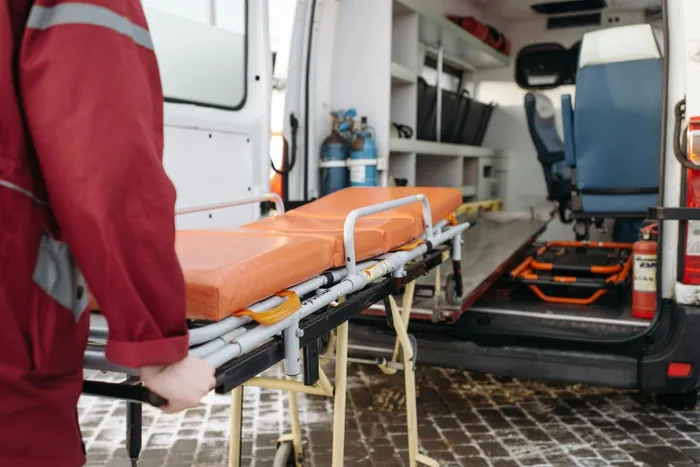
New research says psychological distress among police officers and paramedics is linked to harmful drinking.
Image: Supplied
Police officers and paramedics are often the first on the scene when tragedy strikes, but the psychological toll of witnessing trauma may be pushing some towards harmful alcohol use.
New research from the University of the Western Cape (UWC) suggests that higher levels of stress and psychological distress among these frontline workers are linked to an increased likelihood of harmful drinking as a coping mechanism.
Harmful drinking refers to patterns of alcohol consumption that cause physical or mental harm. It often includes binge drinking, defined as consuming four or more drinks for women or five or more drinks for men on a single occasion.
The study surveyed more than 400 experienced first responders in the Western Cape, including 309 police officers and 120 paramedics.
Titled Alcohol Use in First Responders in South Africa: Psychological Distress Factors Related to Harmful Drinking and Alcohol Dependence, and published in the Turkish Journal on Addictions, the research found that anxiety, depersonalisation, fatigue and insomnia were significant predictors of alcohol use.
Surprisingly, Post-traumatic stress disorder (PTSD), which previous research has linked to harmful drinking among police officers, did not emerge as a predictor of alcohol use in this study.
PTSD is a mental health condition triggered by extremely traumatic events, with symptoms that can include flashbacks, nightmares, severe anxiety and intrusive thoughts about the incident.
According to the study’s authors, Prof Anita Padmanabhanunni, a psychologist and Dean of the Faculty of Community and Health Sciences at UWC, and Prof Tyrone Pretorius, the university’s former rector and vice-chancellor, this is the first known study to examine the link between harmful alcohol use and psychological distress among South African first responders, specifically police officers and paramedics.
Participants who were at risk of harmful drinking consistently reported higher levels of psychological distress across all measures, revealing a clear connection between mental health challenges and alcohol use.
Research suggests that some people turn to alcohol to cope with emotional distress such as sadness, anxiety, trauma and sleep problems. While drinking may provide temporary relief, it can reinforce alcohol use and lead to withdrawal symptoms when individuals try to cut back, creating a cycle of ongoing distress and dependence.
Although the study focused on one province and two groups of first responders, researchers say the findings highlight the urgent need for better mental health support, including critical incident debriefing and mindfulness-based programmes.
Padmanabhanunni said protecting the mental health of first responders, who often carry the psychological burden of trauma in silence, is essential for sustaining emergency services and ensuring quality care for communities.
Although support services exist in some South African settings, they are often not easily accessible, trusted or well integrated into the workplace, and stigma around mental health remains a major barrier to seeking help.
“In South Africa, concerns about confidentiality, fear of being judged, and broader barriers to accessing care may prevent many first responders from accessing mental health support. This can allow distress to escalate and increase reliance on harmful coping strategies such as alcohol use,” Padmanabhanunni said.
She added that a culture of toughness among first responders, where emotional control and self-reliance are seen as signs of competence, can discourage help-seeking behaviour.
“When emotional distress is treated as ‘weakness’, many first responders may feel compelled to push through rather than seek support. In this way, constructions of masculinity can become a barrier to help-seeking,” she said.