Ramaphosa insists NHI is a realistic goal for South Africa


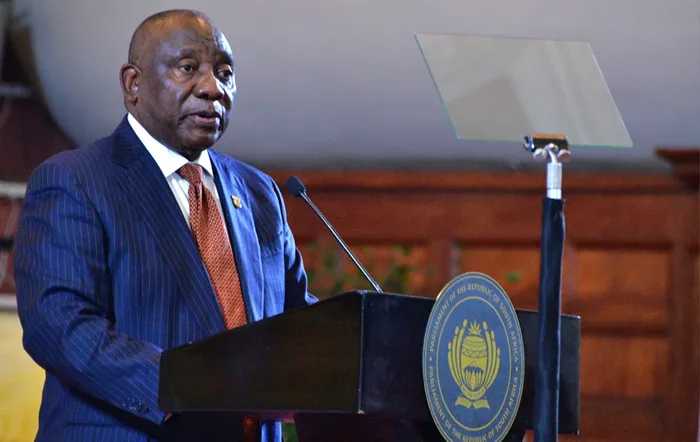
President Cyril Ramaphosa confirms that the National Health Insurance (NHI) implementation will proceed as scheduled, despite legal challenges delaying the Act's proclamation.
Image: Supplied / GCIS
President Cyril Ramaphosa stated that the implementation of the National Health Insurance (NHI) will continue as planned, despite legal challenges that have delayed the Act's proclamation.
Speaking during a question and answer session in the National Assembly on Thursday, Ramaphosa also responded to questions from EFF leader Julius Malema regarding the government's commitment to the NHI and the steps taken to ensure the nation's health system is prepared for its rollout.
Ramaphosa explained that the legal challenges, which are set to be heard in May, will not disrupt the timeline for implementing the NHI or halt ongoing preparatory work by the Department of Health.
“This undertaking, which has been made an order of court, will not affect the timetable for the implementation of the NHI, nor will it stop the work currently underway. Work has been going on up to and including improving our infrastructure,” he said.
He stated that the NHI is South Africa's method for implementing universal health coverage as decided by the World Health Organisation and unanimously adopted by the United Nations General Assembly.
“It is important to put this across so that those who are opposed to the NHI should know that what we are seeking to do is not just a pipe dream.”
Ramaphosa said since the assent of the NHI Act, the Department of Health has been busy with a range of preparatory work initiatives, including rolling out the digital systems required to trace a patient between different doctors or health centres in both the public and the private sectors.
Ramaphosa added that practical interventions to improve healthcare quality and accessibility included significant infrastructure investments, such as rebuilding old hospitals and constructing new ones, along with health centres and clinics.
“This is taking place alongside measures we are taking to improve hospital governance as well. The national and provincial Departments of Health are also focusing on the employment of doctors, other health professionals and community health workers.”
He said the changes brought about by the NHI were complex and far-reaching, and needed to be implemented on a phased basis.
Referring to the NHI complexities, Malema said his party had proposed a bill that provided for clinics to be open 24 hours, but the bill was rejected by the ANC at the time.
“Our people cannot wait for postponement of the implementation of the NHI because they are sick now, they are not going to be sick in 2030. We must be seen to be doing something now,” he said.
In his response, Ramaphosa said the proposal was ideal.
“I agree with that. Now the issue is that there must be the personnel in those clinics. You have got to have nurses and ideally you have got to have a doctor on standby.”
He also said Malema’s proposal did not need a law but just required regulations from the Department of Health.
However, Ramaphosa said the challenge was funding as the government has not been able to employ enough doctors due to a lack of finances.