How plastic bottles are washing up on one of the world's most remote islands

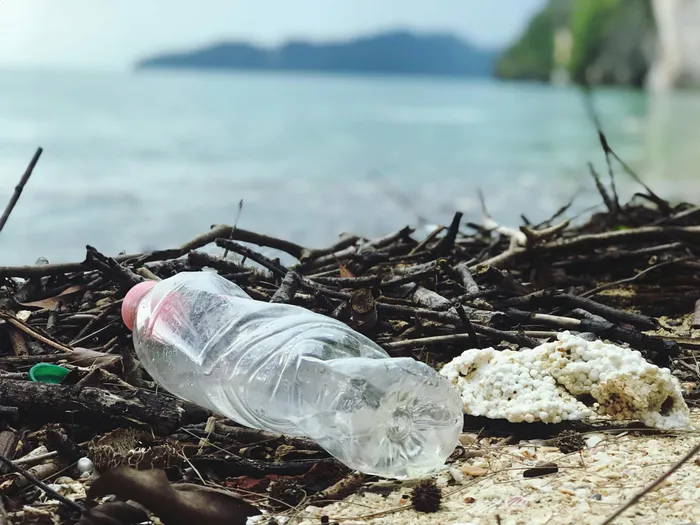
Plastic bottles and other marine debris are increasingly washing up on the remote shores of Marion Island in the Southern Ocean, according to a UCT-led study.
Image: Catherine Sheila/ Pexels
Even one of the most isolated places on the planet is feeling the effects of plastic pollution.
A long-term study led by researchers from the University of Cape Town’s (UCT) FitzPatrick Institute of African Ornithology has found a growing number of plastic bottles washing up on the shores of Marion Island in the Southern Ocean, thousands of kilometres from major cities and major shipping routes.
The findings, published in the journal Marine Pollution Bulletin, draw on decades of monitoring litter along the island’s coastline by research teams stationed there.
When litter surveys first began in 1984, more than half of the items recorded came from the island’s research station. Improvements in waste management over the years have dramatically reduced that impact, with local land-based litter now accounting for less than 1% of debris found on the beaches.
Despite the drop in locally generated waste, the overall amount of litter washing up on the island has increased.
Researchers found that offshore-sourced litter declined from the 1990s to the 2000s, a period that coincided with the collapse of the Patagonian toothfish fishery in waters around the island. Over the past two decades, however, marine debris has increased again, driven largely by a rise in plastic bottles.
Marion Island, a South African territory in the sub-Antarctic, is afforded the highest level of conservation protection under South African law. Situated in the “roaring forties”, south-southeast of Africa, the island lies in a region with relatively little shipping or other human activity.
Emeritus Professor Peter Ryan from UCT, who led the study in collaboration with researchers from Nelson Mandela University and the Department of Forestry, Fisheries and the Environment, said plastic bottles appear to be a growing component of the debris reaching remote islands.
“A study on the origins of these bottles is still under review, but we know from studies in other parts of the Southern Hemisphere that most plastic bottles washing up on remote islands have been dumped from ships in contravention of international legislation,” Ryan said.
He said the findings point to an increase in floating plastic litter in the Southern Ocean, an area once considered largely free of debris.
“The study highlights the recent increase in floating plastic litter, and especially plastic bottles, in even the remote and hitherto largely litter-free Southern Ocean,” Ryan said.
Ryan also referred to recent reports of illegal dumping at sea off Australia involving a tanker contracted by ExxonMobil, describing it as “smoking gun” evidence that some vessels continue to discard waste at sea.
He said the findings add pressure on the International Maritime Organization to strengthen measures to ensure ships’ crews stop dumping plastics and other persistent waste into the ocean.