Western Cape fire season devastates over 70 000 hectares of CapeNature land


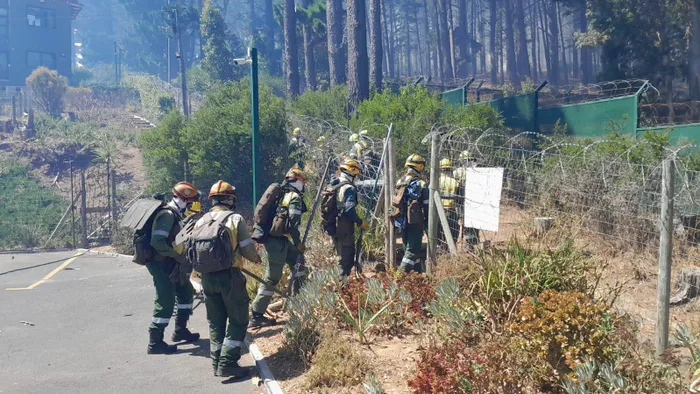
Firefighters battle multiple vegetation fires in Hout Bay, with helicopters water-bombing areas near homes as crews work to contain the blaze.
Image: Rob Quintas/ Facebook
More than 70 000 hectares of CapeNature-managed land have burned during the current Western Cape fire season, already exceeding the total recorded for the entire previous year.
A written reply to a question in the Western Cape Provincial Parliament shows that 70 785 hectares had burned by February 12, 2026.
This already surpasses the 43 556 hectares recorded during the entire 2024/25 financial year, highlighting the severity of the current fire season.
Despite the scale of the fires, no infrastructure losses have been recorded on CapeNature-managed land.
The figures were disclosed after Democratic Alliance Western Cape spokesperson on Local Government, Environmental Affairs and Development Planning Dave Bryant submitted questions to provincial minister Anton Bredell.
The reply also detailed the operational response to wildfires across CapeNature reserves.
Response measures included Large Scale Rapid Initial Attack (LASRIA), extended suppression operations on multi-day fires, active firefighting, and preventative backburning and counter-firing.
During the Cederberg wildfire, a total of 2 049 person days were logged over a 15-day period, involving CapeNature teams as well as Working on Fire crews, Volunteer Wildfire Services and district municipality firefighters.
CapeNature has formal agreements with four of the five district municipalities in the province, excluding the Garden Route district, to support integrated wildfire management.
The entity also works with Volunteer Wildfire Services, all five Fire Protection Associations and Provincial Disaster Management, while firefighting operations in areas bordering SANParks-managed land are typically coordinated through a shared incident command structure.
According to the reply, rehabilitation of burned natural habitats has not yet begun, although restoration plans are being developed.
Operational work including erosion control, soil stabilisation and clearing alien plants in priority areas continues following fires.
CapeNature also conducts post-fire monitoring of protea plots to track ecosystem recovery and assess potential biodiversity impacts linked to repeated fires.
Bryant said the figures reflect both the scale of the fire season and the response from firefighting teams.
“While the numbers tell a story of a devastating fire season, they also tell a story of incredible heroism and professional excellence,” he said.
CapeNature said restoration plans for affected ecosystems are being developed while monitoring continues to assess vegetation recovery in burned areas.