Western High Court to decide on naming accused in sexual offences


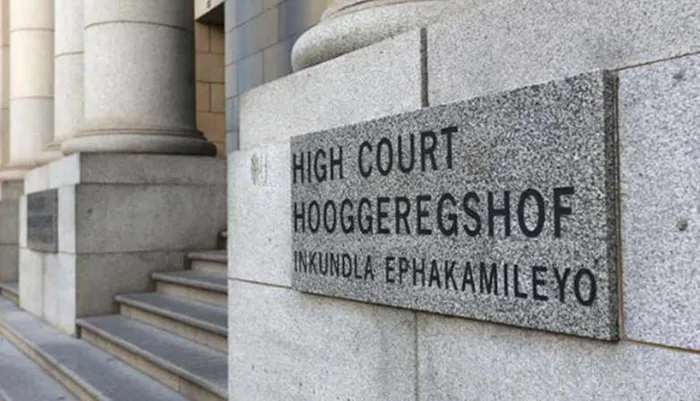
As the Western Cape High Court deliberates on the constitutionality of certain provisions in the Criminal Procedure Act, the case highlights the ongoing struggle for accountability and transparency in sexual offence cases.
Image: File
The Western Cape High Court has reserved judgment in a pivotal case involving Caroline Peters, who is represented by the Women’s Legal Centre (WLC).
The WLC is challenging the constitutionality of two sections of the Criminal Procedure Act, arguing that these provisions unjustly criminalise rape survivors and women for naming men accused of rape before they plead in court.
The full bench of the court, Judges Andre le Grange, Masoodah Pangarker and Acting Judge Pinda Njokweni, on Wednesday heard the arguments from counsel for the Minister of Justice and Constitutional Development, Ismail Jamie SC and Kessler Perumalsamy.
It also heard arguments from Nasreen Rajab-Budlender who represents the intervening parties - Media Monitoring Africa Benefit Trust and Campaign for Free Expression.
The challenge which the court will now make its ruling on is in terms of Criminal Procedures Act (CPA) section 154(2)(b), which concerns the prohibition against the publication of any information relating to a charge involving a sexual offence (or extortion) before the accused has pleaded; and the second is section 335A, which concerns the prohibition against publication of the identity of persons towards or in connection with whom a sexual offence has been committed.
While hearing arguments from Rajab-Budlender, Judge Le Grange noted that sexual offence crimes in the country are horrendous and “we can't seem to stem the tide” before placing a scenario in which the investigation of an accused could be undermined if he was prematurely mentioned before having pleaded to a sexual offence-related crime.
Another hypothetical discussion around naming an accused before pleading was in the case where the accused dies before he pleads in which the no-name ban would be “forever”.
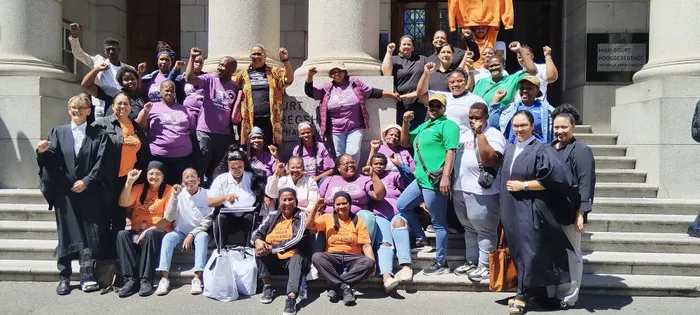
As the Western Cape High Court deliberates on the constitutionality of certain provisions in the Criminal Procedure Act, the case highlights the ongoing struggle for accountability and transparency in sexual offence cases.
Image: Chevon Booysen
The same was put up for discussion in the hypothetical case where there are multiple complainants in a matter where a victim, who either should not be identified due to their age or elected to not be identified - could be identified.
Rajab-Budlender submitted that the “law cannot protect against everything but there is a need for accountability and public scrutiny”.
According to Rajab-Budlender, the provisions in s 154(2)(b) are overbroad and unconstitutional.
Having conceded in their heads of argument that there is a lacuna in the legislation, Jamie SC submitted that the remedy to this would be for the high court to accept the arguments made by the parties but not “tinker” with the wording as it would interfere with the functions of the Legislature and the relief sought by both Peters and the NGO’s is not relief that a high court can grant.
Jamie SC confirmed that the specific sections in the Act sought primarily to protect the identity of the complainant and that the identity of the accused of the crime would be made known at the stage where he pleads to the crime.
He further argued what had been debated in court yesterday on why the parties were so insistent in doing so before the accused pleaded.
“The pre-eminent purpose would be for their reputations to forever be destroyed. Their (the applicants) attack is on the legislation, not the government,” said Jamie SC.
On Tuesday, WLC argued that the contradictions in the sections of the CPA have real consequences in a country where sexual violence disproportionately affects women and that it violates women’s rights to equality and freedom of expression.