Hooked on snoek: The surprising genetic story behind our favourite fish


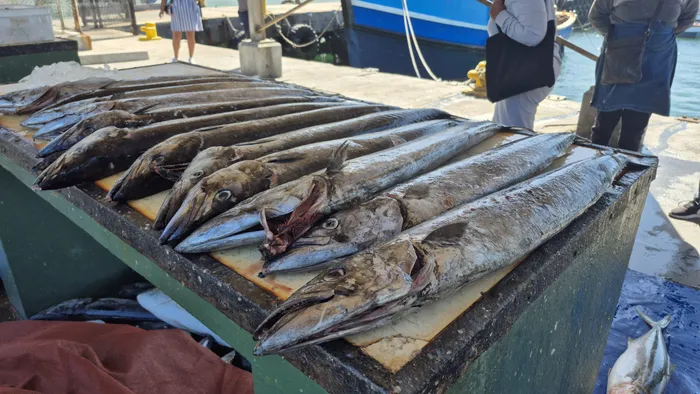
New research Stellenbosch University found that snoek populations are split into distinct genetic groups that do not mix freely, both globally and along South Africa’s coastline.
Image: Tracy-Lynn Ruiters
For generations, snoek has been more than just a fish on a braai grid. Along the Western Cape coast, it is food on the table, income in the pocket and tradition passed down at harbour walls before sunrise.
But beneath the silver scales of this local favourite, scientists have uncovered findings that suggest it may be more vulnerable than previously believed.
Catches of Cape snoek have declined in recent years, placing pressure on small-scale fishing communities and affecting the reliability of local supply. For many low-income households, snoek remains a key source of affordable protein.
New research by Dr Sihle Mthethwa from the Department of Genetics at Stellenbosch University found that snoek populations are split into distinct genetic groups that do not mix freely, both globally and along South Africa’s coastline.
“This challenges the idea that Cape snoek is a single, resilient resource. Instead, it emphasises the need for careful, locally tailored management to protect this iconic fish and the communities that depend on it for the future,” Mthethwa said.
After collecting samples from multiple regions across the Southern Hemisphere, including South Africa, New Zealand, Chile and remote islands, Mthethwa used molecular tools to analyse their DNA.
The research examined the species’ evolutionary history, long-term population patterns, recent gene flow and population structure, and compared South African samples from different time periods.
The DNA analyses indicate that Cape snoek in South Africa comprise at least two genetically distinct groups that do not interbreed freely despite sharing the same location at the same time, with a possible third stock shared with Namibia.
The study also found evidence of a recent genetic bottleneck, suggesting that genetic diversity and numbers have declined in recent generations. Reduced genetic diversity can limit a species’ ability to adapt to environmental change and fishing pressure.
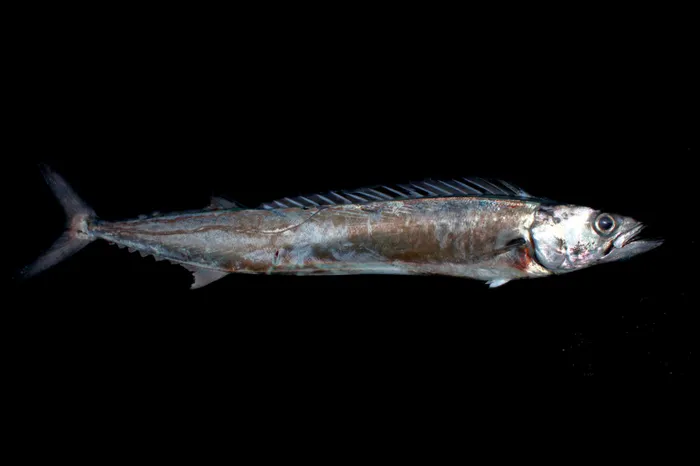
Dr Sihle Mthethwa’s genetic research at Stellenbosch University suggests Cape snoek may consist of distinct stocks, highlighting the need for more targeted fisheries management.
Image: Supplied
Mthethwa said one of the key aims of the research was to determine whether Cape snoek from South Africa and barracouta from New Zealand are the same species, how connected populations are across the Southern Hemisphere, and whether the South African population is genetically uniform or made up of multiple distinct stocks.
As local catches have declined, South Africa has become more reliant on imported New Zealand barracouta, which is the same species and may enter the market under the name “Cape snoek”. Mthethwa said verifying species identity through genetic testing can help prevent mislabelling, protect consumers and improve transparency in the fisheries trade.
He warned that treating different snoek populations as a single stock can obscure pressure on individual groups. “When gene flow between fish populations is restricted, they struggle to replenish their numbers and genetic diversity from overfishing. This increases the risk of local collapse, a loss of unique adaptations, and long-term damage to fisheries and communities that depend on it, even when overall catch levels seem sustainable,” he said.