Vaccination efforts ramp up as Western Cape faces meningococcal meningitis and measles cases


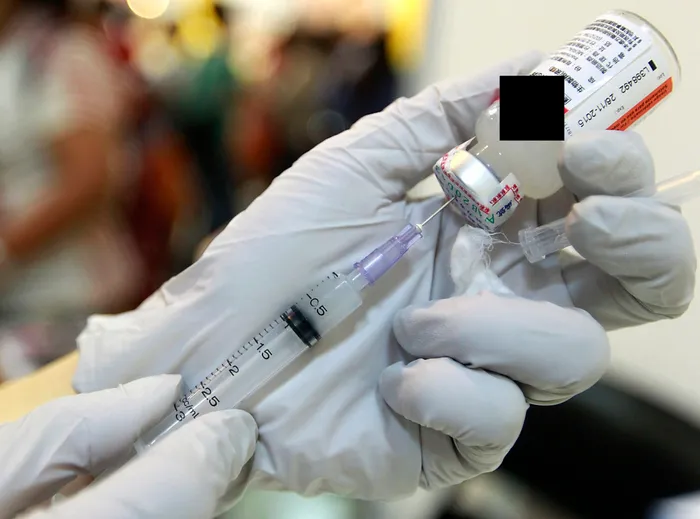
Timely vaccinations are crucial to protect children from meningococcal meningitis and measles.
Image: FILE
The Western Cape Department of Health and Wellness is on high alert as it monitors a troubling uptick in meningococcal meningitis cases across the province with 11 confirmed cases, including one fatality.
The Department said this is in the reporting period between January 1 to February 22, health authorities are striving to control and understand this complex public health issue.
According to statistics from the department, the Cape Town Metro district has borne the brunt of these cases, with eight instances reported.
Additional cases were confirmed in Cape Winelands and Overberg District, where each recorded two and one case, respectively. The alarming reality is that the majority of these reported cases involved infants under the age of one. However, officials have reassured the public that these sporadic cases do not indicate an outbreak.
"We are monitoring disease surveillance data to identify trends, clusters, outbreaks and areas that must be prioritised for target vaccination or outreach,” said Shimoney Regter, spokesperson for the Department of Health and Wellness.
"Anyone who has had close contact with a person diagnosed with meningococcal meningitis will be identified and supported by health authorities to ensure they receive the necessary preventive treatment and information.Certain strains of meningococcal disease can be prevented through vaccination.
"South Africa has registered meningococcal vaccines. Where available, both are recommended for people at higher risk. The meningococcal vaccine is not part of the national immunisation programme but is accessible at tertiary hospitals where it is offered to individuals identified as being at high risk for invasive meningococcal disease or privately when prescribed by a doctor."
Meningococcal meningitis, caused by the bacterium Neisseria meningitidis, is known for its severe impact, yet it remains a rare disease. It spreads via fine droplets released during activities such as speaking, coughing, or sneezing. Those at heightened risk include individuals in close quarters, such as crèches, hostels, and schools.
Common symptoms to watch for include:
- Sudden onset of fever
- Intense headache
- Nausea and vomiting
- Stiff neck
- Irritability
- Sensitivity to light
- A rash featuring small, dark red spots
The Department said parents and caregivers are urged to seek immediate medical attention if these symptoms manifest in themselves or their children. Although meningococcal disease is endemic in South Africa and can occur throughout the year, it peaks between June and October, chiefly affecting infants and young adults aged 15 to 24.
Crucially, meningococcal disease is classified as a notifiable condition; health authorities require the reporting of clinically suspected and laboratory-confirmed cases to ensure timely follow-up and prevention strategies are enacted for exposed individuals..
Meanwhile, the Department is also tackling a rise in measles and diphtheria cases attributed to declining childhood immunisation rates. The Cape Town Metro has reported 203 laboratory-confirmed measles cases since the start of the year. To counter this, targeted vaccination efforts have begun in areas such as Du Noon.
Measles, highly contagious, can lead to severe complications, particularly in infants and malnourished children, making the measles-rubella vaccine (MR) crucial. This vaccine is part of the routine national immunisation schedule, with recommended doses given at 6 and 12 months of age along with provisions for catch-up doses for those that missed them.
Diphtheria, another focus of health authorities, requires prompt vaccination as it can lead to severe health complications.
"Parents are encouraged to sign the immunisation consent form and to return it to their child’s school, and to attend clinic appointments for immunisation. We urge parents not to assume their children are immune," said the department.
Get your news on the go, click here to join the Cape Argus News WhatsApp channel.
Cape Argus