Caution urged as rabies fears rise after seal attack in Hout Bay


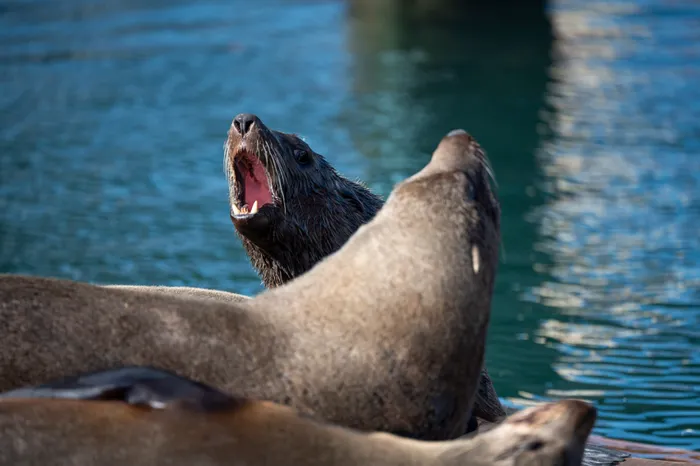
The NSRI warned that rabies in Cape fur seals is an evolving situation along parts of our coastline.
Image: ARMAND HOUGH Independent Newspapers
Cape Town water users have been urged to exercise caution following an aggressive seal encounter involving kayakers in Hout Bay, amid concerns over possible rabies flare-ups along parts of the coastline.
The National Sea Rescue Institute (NSRI) issued a precautionary advisory on Wednesday after authorities removed two seals from the area — one linked to the weekend incident and another from Duiker Island.
“Rabies in Cape fur seals is an evolving situation along parts of our coastline. Epidemiological patterns suggest that isolated flare-ups may occur from time to time within specific colonies,” the NSRI said.
The NSRI said current indications suggest the Duiker Island colony may be experiencing such a flare-up. The organisation stressed that the advisory is precautionary.
Veterinary authorities have previously confirmed rabies cases in Cape fur seal populations along parts of the South African coastline, prompting ongoing public health advisories in affected areas.
“The NSRI encourages all water users to remain aware and cautious around seals. While seal encounters are not uncommon, any aggressive or abnormal behaviour should be treated seriously and reported to the relevant authorities,” the organisation said.
Rabid animals may display unusual aggression, disorientation, excessive drooling or paralysis.
Anyone bitten, scratched or exposed to seal saliva has been urged to immediately wash the affected area thoroughly with soap and water and seek urgent medical attention.
“The NSRI reiterates that this advisory is precautionary. Most seal encounters are non-aggressive. However, awareness and responsible behaviour are essential in reducing risk,” it added.
Swimmers, paddlers and boaters have been advised not to approach seals, whether on land or in the water, and to avoid going out alone. Pet owners have been urged to keep dogs leashed and ensure vaccinations are up to date.
In a separate incident over the weekend, NSRI Station 42 in Kleinmond rescued two local anglers who were cut off by the Spring high tide at Betty’s Bay. Rescue swimmers entered the surf and brought both men safely to shore. One was treated for mild hypothermia.
“The swift response is commended,” the NSRI said.
Meanwhile, NSRI Station 15 in Mossel Bay assisted a boat carrying two people after it lost motor power offshore of De Bakke. Duty crews launched the rescue craft St Blaise Rescuer and towed the vessel safely to the Mossel Bay Yacht and Boat Club.
“Our NSRI Mossel Bay duty crew launched the rescue craft St Blaise Rescuer and rendezvoused with the vessel, finding the local skipper and crew person safe but without motor power,” said Michelle Roos, NSRI Mossel Bay duty coxswain.
Authorities continue to monitor seal colonies along the Western Cape coastline, and members of the public are encouraged to report aggressive or unusual seal behaviour to the City of Cape Town.
With late-summer conditions drawing large numbers of swimmers, paddlers and boaters to the sea, safety officials have reiterated that avoiding contact with wildlife, reporting abnormal behaviour promptly and seeking immediate medical attention after any exposure remain critical measures in limiting risk.
The NSRI said it remains committed to preserving life and supporting communities in staying safe in and around South African waters.
Get your news on the go, click here to join the Cape Argus News WhatsApp channel.
Cape Argus