Cape Town faces a critical 90 days to manage water supply


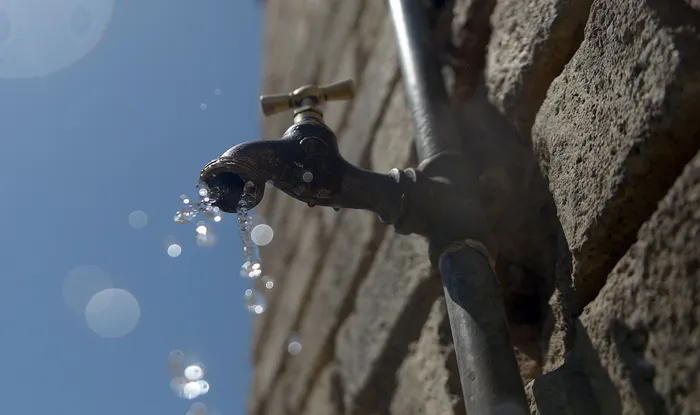
Cape Town’s dam levels sit just above 55% — about 19% lower than last year — as the City of Cape Town warns the next three months will determine whether water restrictions are needed.
Image: Oupa Mokoena/Independent Newspapers
The City of Cape Town says the next three months will be critical in determining whether water restrictions are required later this year, as dam levels remain significantly lower than at the same time in 2025.
According to the City’s latest update, combined dam storage is sitting at just over 55%, approximately 19% lower than the same period last year. Based on current modelling presented at a media briefing this week, storage levels could decline to around 40% by May if rainfall is average and water consumption remains high.
The City has placed Cape Town in an “Early Drought Caution” phase in terms of its Drought Management Framework. Officials stressed this is an early warning stage and does not constitute a drought declaration or an emergency, but signals a need for reduced consumption ahead of the winter rainfall season.
Daily water usage has remained above the City’s target. Consumption peaked at 1 073 million litres per day earlier this week, with average use at approximately 178 litres per person per day. The City has set a collective usage target of below 975 million litres per day to help stabilise dam levels before winter.
Mayoral Committee Member for Water and Sanitation, Councillor Zahid Badroodien, said early demand management could reduce the likelihood of stricter measures later in the year. He indicated that decisions taken by residents and businesses in the coming weeks would influence the City’s flexibility should winter rainfall underperform.
Provincial figures released by the Department of Water and Sanitation show that dam levels across the Western Cape are also declining amid ongoing dry conditions. Combined Cape Town system dams decreased from 56.36% last week to 54.62% this week, while overall provincial dam levels are recorded at 49.56%.
Theewaterskloof Dam, the largest dam in the Western Cape Water Supply System, dropped from 53.42% to 52.05% over the same period.
The Department has said there is no immediate cause for panic, but municipalities may implement restrictions depending on local conditions and supply pressures.
The City maintains that restrictions, if introduced, would be implemented as a risk-management tool to protect long-term supply rather than as a punitive measure.
Since the 2018 drought, the City says it has continued investing in water resilience measures, including replacing 367km of ageing water pipes between January 2019 and December 2025, expanding groundwater abstraction schemes, clearing invasive alien vegetation and strengthening pressure management systems across the network.
Long-term plans aim to add up to 300 million litres per day to Cape Town’s supply from 2031 through a combination of groundwater expansion, water reuse and desalination projects.
For now, both municipal and provincial authorities are urging continued water conservation. While there is no declared drought, officials say the period between now and May will be decisive in shaping Cape Town’s winter water outlook.