Western Cape on the brink of water crisis as drought intensifies in Karoo towns


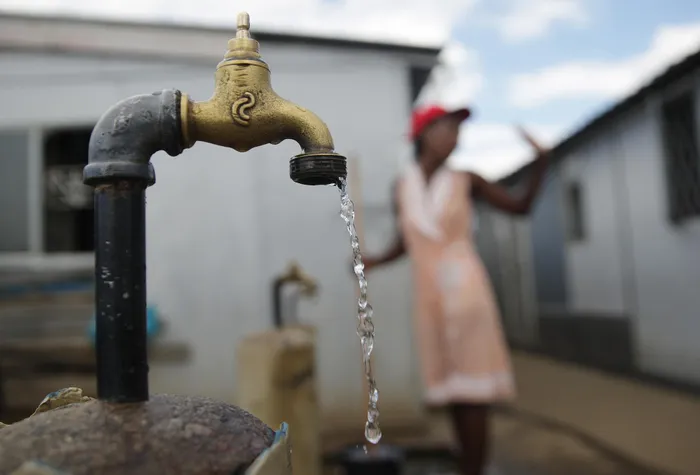
Western Cape municipalities are under growing pressure as dam levels decline and drought conditions persist, with Beaufort West facing severe strain and Stellenbosch urged to consider precautionary water restrictions.
Image: Independent Newspapers Archives
Municipalities across the Western Cape are scrambling to stabilise water supplies as dam levels decline and winter rainfall forecasts remain uncertain, with Beaufort West facing acute pressure and Stellenbosch warned to consider precautionary restrictions.
Western Cape Local Government MEC Anton Bredell on Thursday met senior officials from Stellenbosch, Beaufort West, Laingsburg and Prins Albert to assess water security and drought interventions.
The meetings follow the recent classification of drought conditions affecting parts of the province as a national disaster, enabling greater coordination and support across spheres of government.
According to information presented during the meeting, Stellenbosch Municipality reported that the Idas Valley Dam is currently 30% full. Municipal officials indicated that work is under way to activate augmentation from Kleinplasie Dam into the municipal network, while several boreholes have been brought online to supplement supply.
The municipality has appealed to residents to reduce water consumption by 15%, although no formal water restrictions are currently in place.
Bredell said that, given the provincial drought classification and the forecast of a below-average winter rainfall season by the South African Weather Service, Stellenbosch should consider instituting water restrictions as a precautionary measure.
Earlier this year, Cape Argus reported on declining dam levels in Cape Town and expert warnings that sustained low storage levels could place pressure on water quality and public health systems if not carefully managed.
While some parts of the province have received recent rainfall, officials said the Central Karoo remains under significant strain.
Figures presented by Beaufort West Municipality show water consumption increased from 9.5 megalitres per day in November 2025 to 10.4 megalitres per day in February 2026. The Gamka Dam was reported to be at 14%, and municipal officials said recent rainfall did not occur within the dam’s catchment area, limiting any immediate benefit to storage levels.
Approximately 70% of Beaufort West’s water supply is sourced from a network of 40 boreholes, according to the municipality. Of these, 26 are operational, four are non-operational and 10 are reportedly out of service due to vandalism. A municipal water reclamation plant is currently contributing about 1.2 megalitres per day.
Bredell said that while 2 000 water meters had been installed, water losses remain high at 77%, based on municipal figures, making it difficult to determine whether water is lost through leaks or unbilled consumption.
Immediate priorities, he said, include refurbishing vandalised boreholes and increasing production at the reclamation plant to its design capacity of 2.1 megalitres per day.
The municipality further indicated that current Phase 3 water restrictions will be escalated to Phase 4 from 1 March 2026. This will include a 200% surcharge on usage exceeding 10 kilolitres per household per month.
The renewed warnings revive memories of the Western Cape’s 2017–2018 “Day Zero” crisis, when residents in Cape Town were limited to 50 litres per person per day as dam levels dropped to critical levels. Although major metros have since expanded augmentation and groundwater systems, smaller inland towns remain heavily dependent on groundwater, leaving them vulnerable during prolonged dry spells.
Laingsburg and Prins Albert were described by officials as relatively more stable, but both rely extensively on groundwater. Laingsburg reported that borehole water levels have declined during the summer months, with water availability dropping from 14 metres to 30 metres in depth. In response, the municipality has equipped three additional boreholes, installed prepaid water meters and implemented night-time water throttling, which officials said has reduced usage by 25%.
In Prins Albert, Bredell raised concerns about what he described as excessive potable water use by a Correctional Services facility for a food garden project, saying the matter required urgent attention by the municipality.
“Water security is a shared responsibility. Government is working with municipalities to strengthen systems and reduce losses, but every resident must also play their part,” Bredell said.
Residents have been urged to comply with restrictions where applicable, avoid unnecessary outdoor watering, fix leaks in their homes and report burst pipes.
With rainfall projections uncertain and groundwater systems under pressure, provincial authorities say the coming winter season will be critical in determining whether current measures are sufficient to stabilise supply.
Get your news on the go, click here to join the Cape Argus News WhatsApp channel.
Cape Argus