Public outcry over Nersa's 18% electricity tariff increase


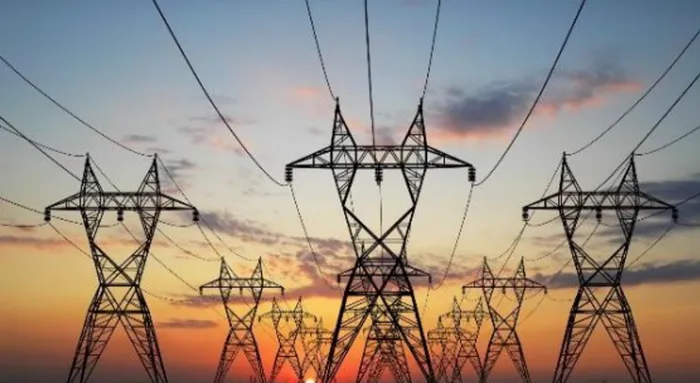
South Africans will soon be paying significantly more for electricity after the energy regulator Nersa approved larger-than-expected tariff increases
Image: File
Civil society groups and residents have sharply criticised the National Energy Regulator of South Africa (Nersa) after it approved electricity tariff increases totalling 18.36% over the next two financial years.
The decision means customers supplied by Eskom will face an 8.76% increase from April and a further 8.83% from April 2027. The increases replace previously approved hikes of 5.36% and 6.19%.
Sandra Dickson, founder of Stop CoCT, said Nersa’s handling of what she described as a R54 billion Eskom tariff miscalculation highlights what she views as regulatory failure.
“Nersa’s handling of the R54 billion Eskom tariff error, which it made, highlights regulatory failure, forcing consumers to cover Eskom’s shortfall through a quick fix of steep hikes of 8.76% to 8.83% until 2028,” Dickson said.
She warned that households and businesses now face higher bills amid inflation, placing low-income families at risk of turning to unsafe energy alternatives while industries pass rising electricity costs on to consumers.
“Alternatively, Nersa could have spread this recovery over more years, or enforced its audits on Eskom, but chose quick short-term consumer-funded hikes despite court-ordered public input,” she said.
Dickson noted that under the Electricity Regulation Act (2006), Nersa has enforcement powers, including administrative penalties for ongoing licence contraventions, non-compliance with regulations, or failure to adhere to approved tariffs and standards.
In the context of the R54 billion adjustment, she said the regulator could have considered penalties if there were inaccurate or incomplete data submissions in tariff applications, breaches of licence conditions, or non-adherence to regulatory reporting requirements.
She said no direct fines against Eskom in relation to the R54 billion adjustment had been announced, and argued that stronger oversight, greater transparency and enhanced consumer safeguards were needed to prevent regulatory errors from being passed on to the public.
Residents say the financial strain is already severe.
Natasha Gertse from Electricity Tariffs Must Fall campaign said families are rationing electricity to cope with rising costs.
“People actually need some relief from these electricity units,” she said. “We are spending more money on electricity and we are having to restrict ourselves in our own homes. This is my house — why do I need restrictions in my own home?”
Gertse said she often buys prepaid electricity in small amounts, sometimes R50 at a time, but finds the units quickly depleted when running essentials such as a geyser and stove.
“It’s impossible for me to even use my geyser. I don’t even have a stove anymore because I cannot use the stove — electricity is too expensive for me to live a comfortable life in my own home,” she said. “We cannot survive.”
Nersa has said its redetermination followed the High Court’s December ruling and was conducted using the approved Multi-Year Price Determination methodology after public consultation. The regulator said the phased increases are intended to avoid retrospective adjustments, limit tariff shocks and balance Eskom’s financial sustainability with customer affordability.
As the new tariffs take effect from April, households and businesses are preparing for higher electricity costs, with debate continuing over how regulatory decisions should be implemented — and who ultimately bears the burden.
Get your news on the go, click here to join the Cape Argus News WhatsApp channel.
Cape Argus