SPCA warns of dangers from unregulated dog breeding after fatal attack in Mitchells Plain


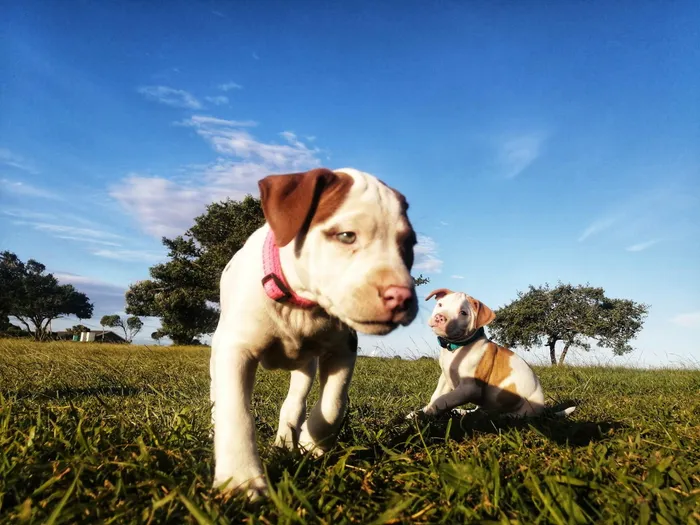
The Cape of Good Hope SPCA has warned that unregulated breeding and irresponsible ownership of powerful dogs are creating a “ticking timebomb”, following the fatal mauling of Faziela Swartz in Mitchells Plain.
Image: Murray Swart/ Cape Argus
The Cape of Good Hope SPCA has warned that unregulated breeding and irresponsible ownership of powerful dog breeds are placing communities at risk, following the fatal mauling of Faziela Swartz (44) by her own dogs in Mitchells Plain.
According to the police, officers were called to a premises in Maralize Street, Morgenster, at about 1.53pm on January 28 following a complaint of a dog attack. Police were informed that the woman had been attacked by her own two dogs inside the backyard of the property. Neighbours attempted to intervene but were unable to get the dogs away from her.
The victim was taken to hospital by private vehicle and later died on February 3 as a result of her injuries. The police confirmed that an enquiry docket has been opened to investigate the circumstances surrounding her death.
The Cape of Good Hope SPCA said it was called to the scene by City of Cape Town Law Enforcement officials. Two pit bull-type dogs were surrendered by the family and humanely euthanised on the day of the incident.
SPCA communications manager Belinda Abraham said the tragedy reflected deep-seated failures in dog ownership and breeding practices rather than a single breed problem.
“Aggression is not a breed or dog-type issue; it’s a people issue,” Abraham said. “Our biggest concern is the amount of unregulated breeding of power breeds in many areas around Cape Town together with irresponsible ownership. This is a ticking timebomb.”
She said serious attacks were often preceded by identifiable risk factors, including neglect, prolonged chaining, lack of socialisation, uncontrolled breeding and owners who failed to understand the physical and behavioural needs of powerful dogs.
While genetics played a role in how dogs respond to stimulation, Abraham stressed that owners were responsible for managing the environment in which their animals were raised. She said dogs kept isolated, confined or subjected to harsh punishment often developed a dangerously low tolerance for human behaviour.
The SPCA has urged owners of powerful breeds to invest in early socialisation, basic obedience training and positive reinforcement methods, warning that aversive training techniques could escalate aggression rather than prevent it.
Prospective owners were also cautioned against acquiring puppies from informal or backyard breeders, where temperament and early socialisation were often neglected.
The fatal incident has renewed calls for stricter adherence to animal-keeping by-laws and greater accountability when dogs cause serious harm, amid growing concern over preventable attacks in residential communities.
A video of the horrific attack was shared widely on social media with strong objection and criticism on those who filmed and circulated it.
Get your news on the go, click here to join the Cape Argus News WhatsApp channel.
Cape Argus