NSRI reports surge in water-related incidents, urges public to prioritise safety

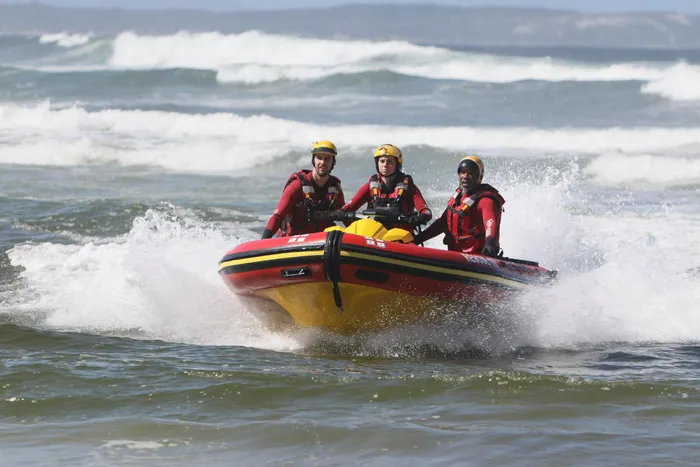
Ten people have drowned or are missing after a surge in water-related emergencies across South Africa, prompting urgent safety warnings from the NSRI as summer rescues intensify.
Image: Supplied
A surge in water-related emergencies has left at least ten people dead or missing in just one week, prompting the National Sea Rescue Institute (NSRI) to renew urgent warnings about water safety as summer conditions continue to draw crowds to beaches, dams and lagoons.
Between Sunday 25 January and Sunday 1 February, NSRI crews responded to more than 30 rescue incidents nationwide, with tragedies reported across KwaZulu-Natal, the Eastern Cape and the Western Cape. Many of the victims were teenagers, and several incidents occurred during a full moon spring tide, a period associated with stronger rip currents and powerful tidal flows.
“This has been an extremely difficult week,” said NSRI chief operating officer Brett Ayres. “Our crews responded to multiple drownings and non-fatal drownings across the country. Each of these tragedies is a stark reminder that water activities are never without risk.”
While the national picture reflects a sustained rise in summer rescues, several incidents in the Western Cape over the past few days underscore how quickly routine outings can turn into life-threatening emergencies.
On Tuesday morning, three local fishermen narrowly escaped disaster when their commercial crayfishing boat capsized offshore of Draadbaai near Stoney Point Nature Reserve in Betty’s Bay. The men were rescued by the crew of a fellow fishing vessel after their boat took on water while they attempted to free fishing rope tangled around the propellers. NSRI Kleinmond later towed the capsized vessel away from rocks, righted it, and brought it safely back to harbour. No injuries were reported.
Just days earlier, on Saturday, NSRI Wilderness crews were activated after a 61-year-old paraglider from Somerset West was seriously injured when he collided with rocks at Gericke’s Point near Sedgefield. Rescue swimmers were deployed from boats along the rocky shoreline, and the man was stabilised and evacuated to hospital. He has since been discharged and is expected to make a full recovery.
In another incident the same day, a 36-year-old man from George was rescued after being spotted far offshore beyond the breakers near Groot Brak. An alert by an eyewitness triggered a rapid response by NSRI rescue swimmers, lifeguards and emergency services, allowing the man to be recovered safely and assessed on the beach.
Despite these successful rescues, the past week has also been marked by fatal outcomes. Recent drowning incidents in the Western Cape included the death of a 20-year-old man at De Villiers Dam near Constantia Nek and the ongoing search for a 16-year-old boy who went missing while swimming at Palmiet Lagoon near Kleinmond. In Cape Town, search operations are continuing for a man reported to have disappeared in the water at Cosy Bay near Oudekraal.
NSRI communications manager Andrew Ingram said a concerning pattern has emerged. “We are seeing the same risk factors repeating: young people swimming in unguarded areas, rip currents not recognised, and well-meaning bystander rescuers also getting into difficulty.”
He added that rip currents, which are fast-moving channels of water flowing away from the shore, are particularly dangerous during spring tides. “They’re hard to spot and incredibly dangerous, especially when combined with the tidal conditions we experienced last week.”
Importantly, not all recent drownings occurred at sea. Fatal incidents at inland dams, including one on Table Mountain and another near Rustenburg, have reinforced warnings that freshwater environments can be just as hazardous as the ocean. Freshwater offers less buoyancy than salt water, requiring more effort to stay afloat.
Amid the tragedies, 39 people were rescued from the water during the same seven-day period, including a mass rescue of nine people at Kleinmond Main Beach using NSRI Pink Rescue Buoys. According to Ingram, flotation devices, early calls for help and coordinated responses between emergency services and members of the public were critical in preventing further loss of life.
As summer continues, the NSRI has urged the public to avoid alcohol before swimming, to choose beaches with lifeguards on duty, to supervise children and teenagers closely, and to float rather than panic if caught in a rip current. The organisation has also cautioned against attempting rescues without flotation and reminded water users to treat dams, lagoons and rivers with extreme care.
“Summer is far from over,” Ayres said. “As we continue to enjoy our coastline and inland waters, we must remember that safety is everyone’s responsibility. These incidents are tragic, and we urge the public to remain vigilant, informed and prepared.”
Get your news on the go, click here to join the Cape Argus News WhatsApp channel.
Cape Argus