How Cape Town women are shaping Africa's influence through music and activism

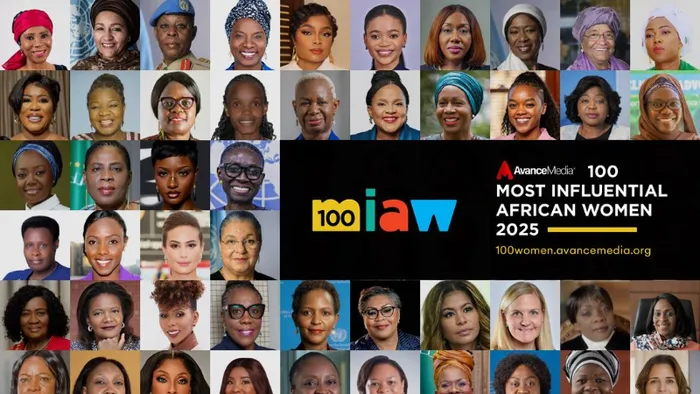
From music to activism, South African women including Tyla, Zanele Muholi and Graça Machel feature on Avance Media’s 2025 list of Africa’s most influential women, highlighting the growing global impact of culture and social advocacy.
Image: Supplied
As Africa’s influence on the world stage grows, it is increasingly being driven not only by presidents and policymakers, but by culture, creativity and activism — with Cape Town–linked women firmly at the centre of that shift.
That message is underscored by the release of Avance Media’s 2025 100 Most Influential African Women, which recognises women shaping decision-making and global narratives across politics, business, diplomacy, the arts and civil society.
Among the standout names are Tyla, visual activist Zanele Muholi, and humanitarian leader Graça Machel — figures whose work resonates strongly in Cape Town and in other provinces.
Their inclusion highlights a broader shift in how influence is defined in 2025: no longer confined to political office, power increasingly lies in the ability to shape culture, challenge social norms and amplify African voices on global platforms.
Tyla’s meteoric rise from South Africa to international music charts has turned her into a cultural ambassador for a new generation, exporting African sound and style to global audiences. Her success reflects the growing influence of African pop culture as a form of soft power, reshaping how the continent is seen and heard worldwide.
For decades, Zanele Muholi has used photography and visual storytelling to confront injustice and centre the lives of Black LGBTQ+ communities. From Cape Town to international galleries and museums, Muholi’s work has become both art and activism — forcing global audiences to reckon with issues of identity, visibility and human rights rooted in local experience.
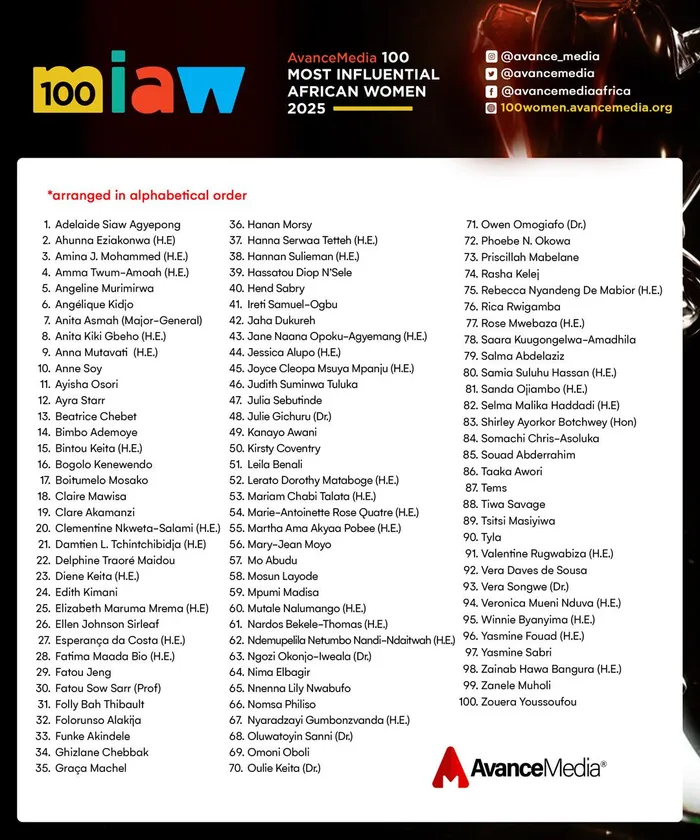
100 Most Influential African Women List
Image: Supplied
Graça Machel, meanwhile, represents a different but equally powerful form of influence. Long associated with South Africa through her advocacy and leadership, she continues to shape global conversations around women’s rights, education and social justice, bridging grassroots activism and international policymaking.
While the list features presidents, vice presidents and senior United Nations officials, the prominence of cultural and activist leaders signals a widening definition of leadership — one that values impact, reach and the power to change perceptions.
South Africa is among the most represented countries on the list, reinforcing its role as a continental hub for creative industries, social movements and global engagement. For Cape Town in particular, the recognition reflects a city whose influence stretches far beyond its borders — through music, art, activism and ideas that travel the world.
Get your news on the go, click here to join the Cape Argus News WhatsApp channel.
Cape Argus