Court ruling: R6.4 million compensation for Gugulethu train accident victim


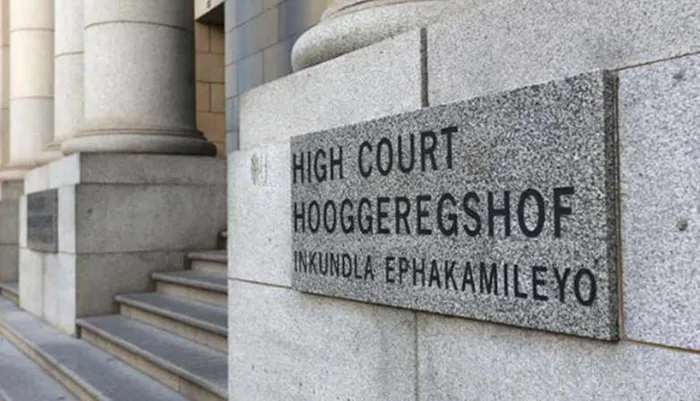
The Western Cape High Court awards R6.4 million to Aviwe Hopewell Tobi, whose life was forever changed after a tragic train incident in 2013.
Image: File
The Western Cape High Court has issued a landmark ruling, ordering the Passenger Rail Agency of South Africa (Prasa) to pay R6.4 million to Aviwe Hopewell Tobi, a man from Gugulethu who endured life-altering injuries after being pushed from a moving train in 2013.
The judgment, delivered on Monday by acting Judge Fareed Moosa, marks a significant triumph for victim Aviwe Hopewell Tobi, whose life has been irrevocably changed as a result of the harrowing incident.
Tobi, now aged 37, endured a tragic accident when he was 25 years old in November 2013, near Bonteheuwel, which led to severe injuries including the amputation of his lower right leg, chronic pain, and the permanent disability that has rendered him incapable of physical work.
For over a month, he was hospitalised at Groote Schuur Hospital, undergoing extensive medical treatment and rehabilitation to address the multiple injuries he sustained in the shocking incident.
Among the injuries detailed in the court proceedings were a crushed right ankle and foot that necessitated the amputation, as well as severe damage to his left ankle and foot requiring skin grafts. Additionally, Tobi suffered a serious laceration to his skull, resulting in permanent scarring, coupled with abrasions to his shoulder and abdomen.
Medical experts testified that Tobi would require ongoing, extensive medical care, including the use of prosthetic devices, for the rest of his life.
Prior to the trial concerning damages, Tobi and Prasa had already settled the portion regarding liability, with Prasa conceding to a 50% responsibility for Tobi’s proven damages. The trial focused exclusively on determining the compensation amount that would be adequate to cover Tobi's extensive and lifelong medical needs.
A particularly contentious aspect of the case revolved around how Tobi’s life expectancy should be determined when calculating future losses. Judge Moosa rejected the use of actuarial tables that lowered life expectancy estimates based on income levels, a method he said was rooted in apartheid-era discrimination.
Judge Moosa held that relying on these tables would infringe upon Tobi’s constitutional rights to equality and dignity, thereby opting for a more favourable life expectancy estimate for evaluating Tobi’s future economic losses.
Experts agreed that Tobi is no longer able to perform physical work and is effectively unemployable in the open labour market, given his disability, limited education and lack of transferable skills. This significantly influenced the court’s award for loss of earnings.
Tobi initially wanted over R14.5 million in compensation, however, after considering extensive expert evidence from doctors, occupational therapists, prosthetists, industrial psychologists and actuaries, the judge awarded Tobi over R6.4 million plus interest.
The compensation package includes coverage for future medical and surgical expenses, prosthetic and orthotic requirements, as well as transport costs for medical appointments and the need for companions during such visits. Furthermore, Tobi’s legal costs, including fees for expert witnesses and his lawyer, have also been accounted for in the ruling.
In conclusion, judge Moosa emphasised that compensation must be fair, reasonable and grounded in respect for the dignity and equality of injured persons, rather than assumptions rooted in historical inequality.
Get your news on the go, click here to join the Cape Argus News WhatsApp channel.
Cape Argus