Are infrastructure failures the real cause of Western Cape's water crisis?


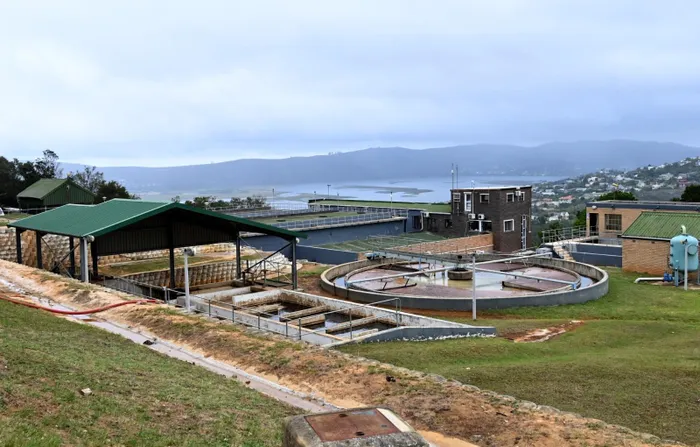
Emergency interventions have helped stabilise water supply in Knysna, but officials warn the situation remains critical, with strict water restrictions still essential as the town works to reach the winter rainfall period.
Image: Ayanda Ndamane/ Independent Media
Cape Town’s dam levels remain above 60%, but rising water consumption and mounting infrastructure challenges across the Western Cape are intensifying warnings that the province’s water security is under growing pressure, driven as much by system capacity and maintenance failures as by rainfall patterns.
According to the City of Cape Town, dam storage currently stands at 62.2%, almost 20% lower than at the same time last year, and will need to last until the next seasonal rainfall cycle. At the same time, daily water usage has again exceeded the city’s target, peaking at 1 062 million litres a day — 87 million litres above the 975 million litres per day benchmark.
Figures published in the City’s weekly water dashboard show sustained pressure on demand throughout December and January, with consumption consistently hovering above one billion litres per day.
Mayoral Committee Member for Water and Sanitation Councillor Zahid Badroodien warned that while taps were not at immediate risk of running dry, continued high usage could rapidly change the situation and force restrictions unless consumption is brought down urgently.
“Early proactive measures are far more effective than emergency restrictions,” Badroodien said, calling on residents, businesses and industry to reduce unnecessary water use and closely monitor consumption indicators on a weekly basis.
The City said it continues to prioritise repairing pipe bursts and leaks, upgrading ageing water infrastructure, improving pressure management and strengthening metering across the network. Long-term plans to reduce reliance on rain-fed dams include the addition of new supply sources such as desalination and water reuse from 2031.
However, in other parts of the province, political parties argue that infrastructure failures — rather than water availability — are already forcing communities towards restrictions.
The Freedom Front Plus has strongly criticised proposed level 2 water restrictions set to be implemented by the Langeberg Local Municipality from February 1, describing them as unnecessary and counterproductive.
Freedom Front Plus councillor Johnny Steenkamp said residents were being “punished for years of infrastructure neglect”, arguing that the municipality primarily abstracts its water from the Breede River, a reliable source.
“The real problem is not a lack of water, but an undersized and failing pumping system, broken infrastructure and maintenance recommendations that have been ignored for more than a decade,” Steenkamp said.
The party has blamed what it describes as repeated pump failures at the Gumgrove Water Treatment Plant, including a Montagu pump it claims has been out of service for two months, as well as ageing pipes that it says burst regularly, causing significant water losses.
It also questioned why irrigation water supply had been resumed while residents face restrictions, arguing that water suitable for human consumption is being prioritised for irrigation while residents face restrictions.
Meanwhile, in Knysna, provincial intervention has helped stabilise an ongoing water crisis, although officials warn the situation remains critical.
The Democratic Alliance has welcomed the involvement of the DA-led Western Cape Government, saying repairs to water infrastructure, improved leak management and the installation of additional water meters have contributed to an increase in the Akkerkloof Dam level from 15% to 20.9%. Current water usage in Knysna translates into a buffer of about 17 days, up from 10 days earlier this month.
“While recent interventions and rainfall have helped stabilise the situation, Knysna’s water crisis remains critical,” said Ryan Smith, DA Constituency Head for Knysna.
“Strict adherence to water restrictions and responsible water use are essential if the town is to reach the winter rainfall period without disaster.”
Across the province, the contrasting situations point to a common fault line: while rainfall remains a critical factor, ageing infrastructure, delayed maintenance and system capacity constraints are increasingly shaping how communities experience water stress — and whether restrictions are imposed.
As the City appeals to residents to curb consumption and smaller municipalities grapple with failing infrastructure, pressure is mounting on all spheres of government to address long-standing system weaknesses before water scarcity deepens further.
Get your news on the go, click here to join the Cape Argus News WhatsApp channel.
Cape Argus