Karoo Donkey Sanctuary triumphs over eviction threat to protect rescued animals

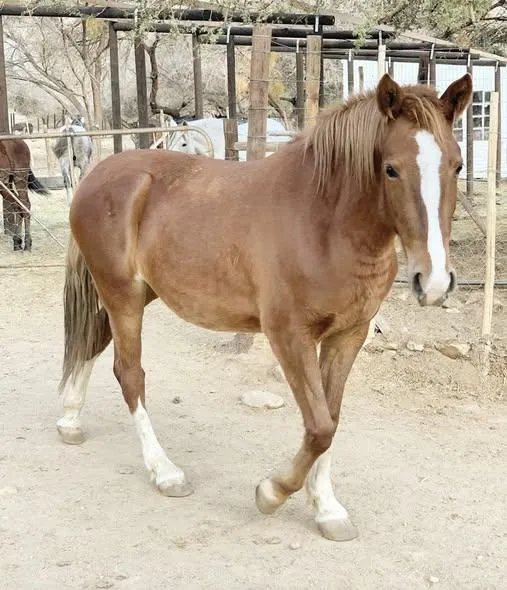
Mercy, a rescued horse, after months of intensive care at the Karoo Donkey Sanctuary, now healthy and free after being found alone in the Karoo near death.
Image: Supplied
After a year marked by eviction, winter hardship and near collapse, the Karoo Donkey Sanctuary has entered the new year on firmer ground, having secured a new home and renewed support for hundreds of rescued animals.
Founder and CEO Jonno Sherwin said 2025 tested the organisation’s resolve after a promised pledge to buy the property it occupied fell through, leaving the sanctuary facing eviction from land near Prince Albert.
“2025 was a year that pushed us to the brink, tested our resolve, and reminded us — in the most profound ways — why this work matters,” Sherwin said.
Forced off the land under what Sherwin described as extremely unpleasant and stressful conditions, the sanctuary’s animals were left without proper shelter during the depths of winter, standing in rain and cold after being removed from their stables.
Relief came through a small group of angel investors, enabling the sanctuary to purchase a 500-hectare farm at the base of Meiringspoort, near De Rust. The property was fittingly named Die Hoop — meaning “Hope”.
“This land is a sanctuary of safety, grazing — albeit sadly not now due to the crippling drought — shelter, pristine air and peace for the 400 rescued animals in our care who have all already endured too much,” Sherwin said. “This move was not just physical. It was a spiritual lifeline.”
Among the animals saved is Mercy, a rescued horse found alone in the Karoo without food or water, severely weakened by heat and flies. A drone search led to a rapid rescue, followed by months of intensive care.
“Today, Mercy walks freely across green fields, healthy, loved, and alive because someone cared enough to act,” Sherwin said.
Another rescue, Meisie, spent years working as a so-called “guard donkey” on a remote farm, without shelter, adequate food or veterinary care. By the time she arrived at the sanctuary, her hooves had grown into painful “slippers”, leaving her barely able to walk. After specialised farrier care and months of rehabilitation, she now lives with a foster family.
Looking ahead, Sherwin said the sanctuary’s most urgent goal for 2026 is to become self-sustainable.
“With a working expense of R250 000 per month, we urgently need consistent donor support,” he said, adding that community backing remains critical to ensuring daily feed, shelter and veterinary care.
Future plans include building a dedicated rehabilitation barn and on-site medical facility, expanding education and advocacy programmes to combat cruelty and the global donkey skin trade, and launching a mobile rescue unit to respond rapidly to equines in distress across the Western Cape.
“Our dreams are big, but we can only start expanding once our current facility is self-sustainable,” Sherwin said.
Get your news on the go, click here to join the Cape Argus News WhatsApp channel.
Cape Argus