Wildfires continue to rage in Western Cape

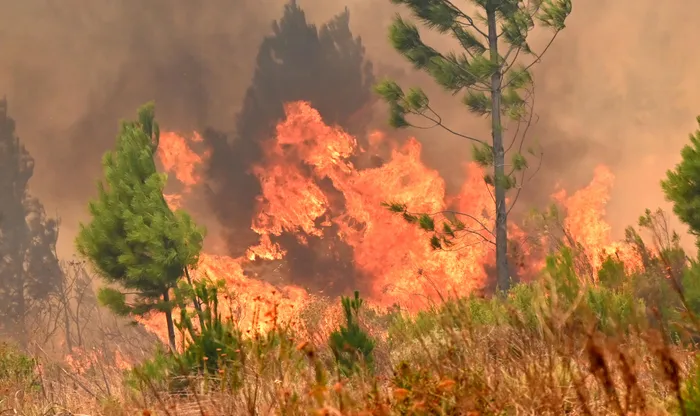
The fire above the town of Franschhoek continues to burn for a fifth consecutive day. Strong winds and difficult terrain are hampering firefighting efforts as teams work to contain the fire and protect surrounding areas.
Image: Ayanda Ndamane/Independent Newspapers
While the Southern Cape faces a dangerous convergence of crises, with dwindling water reserves and escalating wildfires placing mounting strain on municipalities and emergency services, the Western Cape Government is seeking a provincial disaster classification.
Premier Alan Winde is expected to outline the province’s response at a media briefing on Thursday, alongside Western Cape Minister of Local Government Anton Bredell and Chief Director of Disaster Management and Fire and Rescue Services Colin Deiner.
Water security has emerged as a critical concern across the region, with Knysna, Langeberg and Bitou among the municipalities under severe pressure as dam levels continue to decline amid persistently dry conditions and sustained demand.
Following a site visit to the Akkerkloof Dam this week, Winde warned that Knysna’s primary water source was nearing critically low levels, with current reserves estimated to last little more than a week if consumption patterns remain unchanged.
“If taps run dry, the impact on residents, health services, schools and businesses will be devastating,” Winde said. “The Western Cape Government will move to seek a disaster declaration so that additional resources can be mobilised to address the crisis.”
Level 4 water restrictions remain in place across the Greater Knysna Municipality, with residents and visitors urged to limit usage to essential needs only.
Emergency pumping operations continue to transfer water between supply points to stabilise supply, while direct withdrawals from the Akkerkloof Dam itself remain restricted in an effort to preserve remaining reserves.
In neighbouring Bitou municipality, which includes Plettenberg Bay, Level 4 restrictions have also been introduced after the Roodefontein Dam dropped below critical thresholds. The area is estimated to have fewer than 40 days of water supply remaining, while Mossel Bay has implemented strict weekly watering quotas to stretch limited resources.
At the same time, dry conditions are fuelling an elevated wildfire risk across large parts of the province, with firefighting services responding to multiple major incidents simultaneously.
The fire burning in the mountains above Franschhoek entered its fifth day on Wednesday, with crews contending with active fire lines in inaccessible terrain under difficult conditions. Strong and gusty winds triggered flare-ups overnight, forcing firefighters to focus on property protection and containment.
No injuries or structural damage have been reported in the Franschhoek fire.
“Public cooperation is critical,” said DA Western Cape spokesperson Dave Bryant. “Please do not throw cigarette butts from vehicles, limit open-flame braais and never leave a fire unattended.”
Weather forecasts suggest the situation may remain challenging in the months ahead. SA Weather Service forecaster Lelo Kleinbooi said projections indicate continued dry conditions along the Southern Cape coastline, with rainfall between Mossel Bay and Storms River expected to remain below average despite the presence of a weak La Niña.
Meanwhile the City of Cape Town has begun registering residents affected by a fire that tore through parts of the Masiphumelele informal settlement on Tuesday, as emergency relief shifts into recovery and rebuilding mode following a challenging firefighting operation.
Disaster Risk Management spokesperson Sonica Lategan said joint teams from Disaster Risk Management (DRM) and the City’s Infor mal Settlements Management Branch remain on the ground, with the scale of destruction still being assessed.
“DRM and the City’s Informal Settlements Branch are still registering affected persons – at this stage, the number of structures damaged is 363 – this is not the final total,” Lategan said.
Infrastructure assessments have confirmed that water and sanitation services, including standpipes and toilets, were not damaged in the fire. However, electricity infrastructure was affected.
“There was damage to electricity infrastructure – in particular over head cables; but the area has been made safe by technicians,” Lategan said.
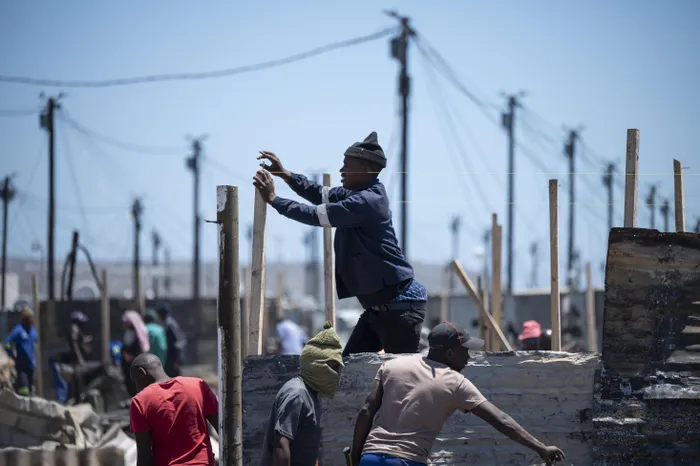
The preliminary count of damaged structures is 363, but this figure is expected to rise.
Image: Armand Hough/Independent Newspapers
The clearing of fire debris will be managed by the City’s Solid Waste Department as part of preparations for recovery and rebuilding efforts.
Humanitarian assistance remains under way, with Gift of the Givers and Living Hope NGO providing support to affected residents on site.
Donations can be dropped off at its premises at 7 Kommetjie Main Road, Capri.
Get your news on the go, click here to join the Cape Argus News WhatsApp channel.
Cape Argus