Urgent call for regulations on ageing livestock shipping fleet


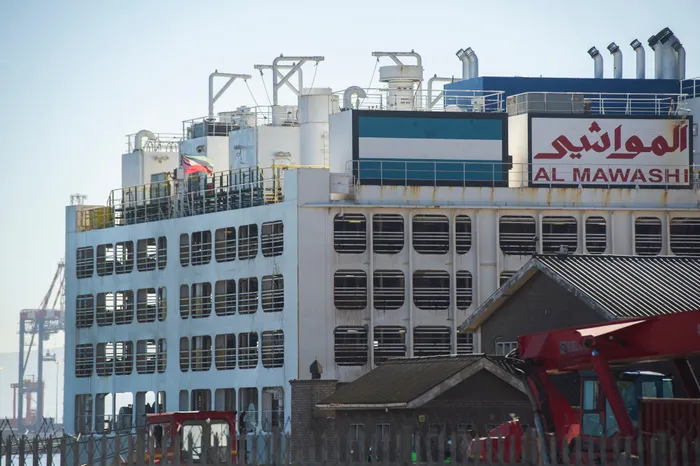
An ageing global fleet of livestock ships is under fire as animal welfare groups warn that unsafe vessels are putting lives, animals and oceans at risk.
Image: Picture: Armand Hough/Independent Newspapers
A global coalition of animal welfare organisations has issued an urgent warning that the world’s ageing livestock shipping fleet poses a growing threat to human life, animal welfare, public health and the marine environment, calling for binding international regulations to curb further disasters.
In an open letter to the International Maritime Organization (IMO), the network of 36 animal protection groups urged immediate action to regulate livestock carriers, describing the sector as the oldest and most dangerous in global shipping.
According to the coalition, the average livestock vessel is now about 40 years old – far beyond the internationally accepted safe operational lifespan of 25 years – with many ships operating under flags of convenience and weak regulatory oversight.
The warning follows the recent loss of the livestock carrier MV Spiridon II and a series of high-profile maritime disasters involving live animal shipments over the past two decades.
“These disasters are not accidents; they are the predictable result of a system that allows substandard vessels to carry living animals without any specific international safety or welfare codes,” said StopLiveExportSA spokesperson Michelle Taberer.
Taberer said livestock vessels have been the most detained ship type globally since 2017, despite representing only a small fraction of the world fleet. “No other shipping sector would be allowed to operate with vessels this old, this unsafe and this poorly regulated while carrying living, sentient cargo,” she said.
Research cited by the organisations shows that at least seven major livestock carriers have been lost at sea since 2000, resulting in the deaths of dozens of seafarers and tens of thousands of animals. Incidents include the Gulf Livestock 1 (2020), Queen Hind (2019) and Al Badri (2022).
The coalition warned that animals on long-distance sea voyages routinely endure extreme heat stress, overcrowding, prolonged confinement in waste-soaked pens, disease and injury. At the same time, seafarers face unsafe working conditions, exposure to zoonotic diseases and the risk of collapsing animal decks.
Despite growing global concern, around 110 livestock carriers are still operating worldwide, with vessels regularly discharging untreated animal waste and carcasses into the ocean – including in protected maritime zones such as the Mediterranean and Red Sea.
In their joint appeal, the organisations called on the IMO to urgently develop a binding International Code for the Carriage of Livestock. The proposed code would set enforceable standards for vessel design and stability, ventilation and life-support systems, waste and carcass management, crew safety and animal welfare.
They also called for mandatory contingency plans to prevent prolonged voyages when animals are refused unloading, stronger port inspection regimes, and investigations into alleged violations of international marine pollution laws.
The global call comes amid heightened scrutiny of live animal exports in South Africa. In a recent Eastern Cape High Court judgment, the National Council of SPCAs (NSPCA) secured a landmark ruling strengthening its authority to monitor and act against animal cruelty during live exports by sea.
Separately, Stop Live Exports South Africa has urged Parliament to abandon proposed regulations governing live exports and instead move towards an outright ban, arguing that the practice is incompatible with constitutional values and animal welfare laws.
Public opposition has also grown, particularly in Cape Town, where previous dockings of livestock vessels have sparked widespread complaints over noxious odours and concerns about environmental and animal welfare impacts.
Get your news on the go, click here to join the Cape Argus News WhatsApp channel.
Cape Argus