Inside South Africa's Secure Care Centres: A 16-year-old's fight against gang recruitment


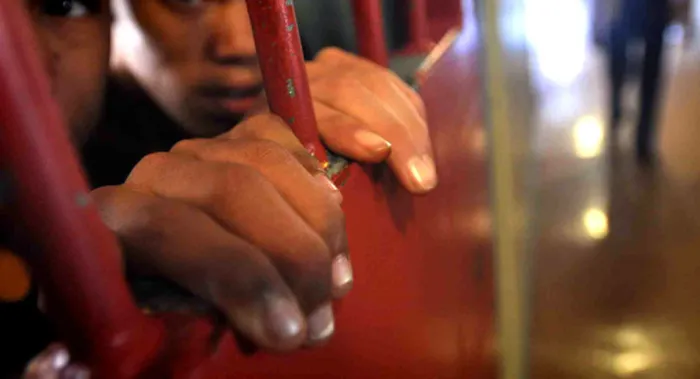
The Bonny Toun Youth Centre in Kraaifontein.
Image: file
To escape the clutches of a gang, a brave 16-year-old boy chose to enter a Secure Care Centre in the Western Cape. However, behind these walls, he remains at risk of exposure to the very elements he tried to escape: gangs, assault, and drugs.
Activists who work closely at these centres reveal, sadly, it has become the recruitment grounds for gangs and are calling on stricter mandates and protocols.
The country is home to 15 juvenile correctional centres with over 1,200 inmates in the Western Cape who are between the ages of 18 and 25. This was according to a parliamentary session last year.
The Department of Social Development (DSD) reveals that it funds seven Secure Care Centres and has implemented a range of targeted programmes in the top 10 murder precincts from 2019 to 2025, aimed at preventing gang recruitment, substance abuse, and other social ills.
For the mother of the 16-year-old boy from Mitchells Plain who has been at Bonnytoun for a few months, the wait for rehabilitation means staying until the age of 18.
“He's placed at Bonnytoun Kraaifontein now because he took initiation with a gang and realised that’s not what he wants for his life and career and needed a place of safety. Only Bonnytoun was available for him because he has a pending case from a school incident,” she told the Cape Argus. “He’s expected to be there until 18 years old.”
She said her son was recently attacked by a fellow roommate: “I visited and saw his face was swollen as if someone had beaten him. He feels unsafe and fears for his life and feels like he doesn’t have the freedom to speak or say things he’s unhappy about because he’s afraid of getting beaten.
"He also makes me aware that kids in there are getting tattooed and smoking cigarettes and weed. "He also admitted to smoking a cigarette with them once as he fears that if he did not, then he would be targeted by the other kids in there.
"He was beaten up by one of his fellow roommates. I just want him to feel safe and protected, and I want him to achieve his goals he has set out for himself."
According to DSD, the Secure Care Centres, one Child and Youth Care Centre (CYCC) Substance Treatment Centre, a first-of-its-kind intermediate CYCC for young people transitioning from secure care to integration into community-based CYCCs, and 53 community-based CYCCs are managed by 49 organisations.
Former high-ranking gangster who killed his twin brother and is today doing outreach and missionary work and activism at youth centres, Pastor Leon Jacobs, knows all too well of being behind bars and a youth at conflict with the law.
Jacobs said sadly gangs also found their way inside youth centres and called for stricter control. “The youth centres have one of the biggest problems where the encounters are the recruitment plans that are being activated in those centres,” he told the Cape Argus.
“For instance, if they are JCY or Junky Funky, or Dixie Boys, they want to bully those children into that circle. If I ask them, who is "Ndota," can you stand, it is amazing to see, 15 percent will say they an “ag” or “a hollander,” that concerns me. If the youth centres’ approach is not key to rehabilitation, then this 15 percent will be set up for the big prison because he already had a taste of the numbers (prison numbers) now he wants more.”
According to the DSD, youth exposed to gangs often find themselves at youth centres. “The reality is that youth at these centres have already been exposed to gangs, and some have been placed due to their involvement in gangs.
"All residents are assessed on admission and placed according to their level of risk and vulnerability,” DSD added.
“Due to their risk levels, incidents do occur between residents – these are not usually gang-related. All incidents are investigated, and substantial safeguards are in place for residents to report or identify any threats to their safety."
“If activists have information about gang recruitment taking place at our centres or community-based programmes, they should report this to the department so that it can be addressed.”
Whistle-blower and activist, Zona Morton, who assists families with youth at risk, also called for a more sensitive approach: “When I received a complaint about irregularities in CYCCs, I was met with an attitude of 'soort soek soort.' This is disturbing as it came from the HOD for CYCCs Western Cape. How do we feel comfortable having vulnerable children exposed to such systemic judgement?"
Get your news on the go, click here to join the Cape Argus News WhatsApp channel.
Cape Argus