Mattel's groundbreaking autistic Barbie doll aims to empower children


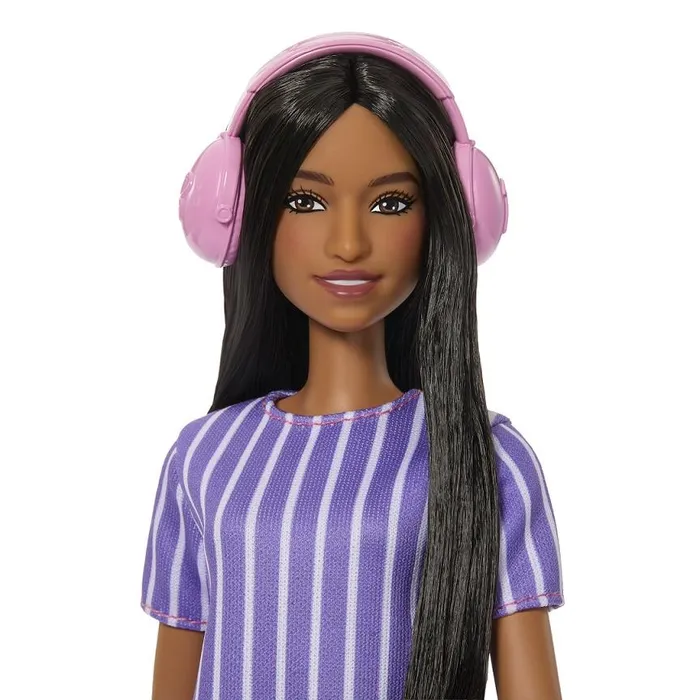
Mattel has introduced its first-ever autistic Barbie doll.
Image: Supplied
Toy giant Mattel, Inc. has unveiled its first-ever autistic Barbie doll, a launch that resonates strongly in the Western Cape, where autism remains significantly under-identified despite growing awareness.
Developed over more than 18 months in partnership with the Autistic Self Advocacy Network (ASAN), a non-profit disability rights organisation run by and for autistic people, the doll joins the Barbie Fashionistas collection, the brand’s most diverse range to date.
“Barbie has always strived to reflect the world kids see and the possibilities they imagine, and we’re proud to introduce our first autistic Barbie as part of that ongoing work,” said Jamie Cygielman, Global Head of Dolls at Mattel.
“The doll, designed with guidance from the Autistic Self Advocacy Network, helps to expand what inclusion looks like in the toy aisle and beyond because every child deserves to see themselves in Barbie."
Designed in close collaboration with ASAN, the doll features a new face sculpt, articulated elbows and wrists that allow movements such as stimming or hand flapping, and a slightly averted eye gaze, reflecting how some autistic people may avoid direct eye contact.
Accessories include a spinning finger-clip fidget toy, noise-cancelling headphones to reduce sensory overload, and a tablet displaying symbol-based Augmentative and Alternative Communication (AAC) apps. The doll wears a loose-fitting purple A-line dress and flat shoes designed for comfort and ease of movement.
“As proud members of the autistic community, our ASAN team was thrilled to help create the first-ever autistic Barbie doll,” said Colin Killick, Executive Director of ASAN. “It is so important for young autistic people to see authentic, joyful representations of themselves.”
The Western Cape Government recognises autism as a lifelong neurodevelopmental condition and stresses the importance of early identification and intervention, but many families continue to face long waiting lists, limited access to specialised schooling and stretched public support services.
Against this backdrop, representation through play carries added weight. As part of the launch, Barbie is partnering with autism advocates, including South African media personality Nandi Madida, who appeared alongside her six-year-old daughter, Nefertiti.
“Barbie has always represented comfort and imagination for me, and becoming a mother to an autistic child has transformed what representation truly means,” Madida said. “This autistic Barbie is deeply emotional because it reflects children who are so often left out. For autistic children, seeing themselves in a doll like this affirms that they are seen, valued, and understood exactly as they are. For non-autistic children, it becomes a gentle and powerful tool for learning empathy, curiosity, and respect.”
The autistic Barbie joins a Fashionistas range that now includes more than 175 looks. Mattel said the launch builds on research with Cardiff University showing that doll play activates areas of children’s brains linked to empathy and social processing.
Get your news on the go, click here to join the Cape Argus News WhatsApp channel.
Cape Argus