Political parties question the validity of South Africa's 88% matric pass rate
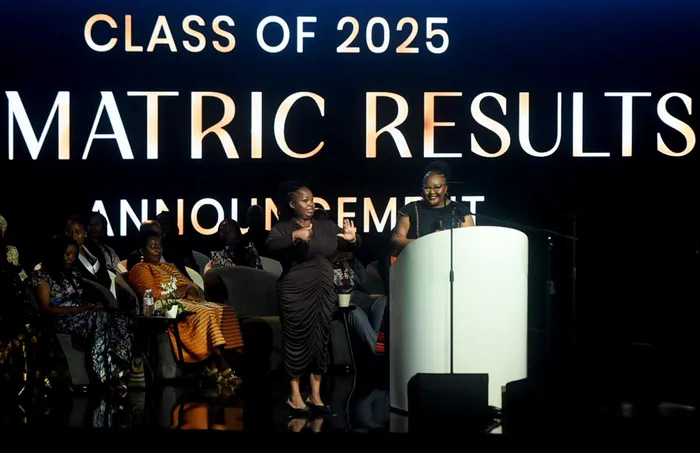
Minister of Basic Education Siviwe Gwarube announced that the country had made history with the national pass rate of 88%, with KwaZulu-Natal achieving 90.6%.
Image: Itumeleng English/ Independent Newspapers
As the country celebrates a historical matric pass rate of 88% and 88.2% provincially, political parties have challenged it, citing that it has lost its grip on clinging the top position following teacher cuts.
The Western Cape Class of 2025 delivered the highest matric pass rate and bachelor's pass rate ever for our province.
Western Cape MEC for Education David Maynier said the matric pass rate increased from last year’s record-breaking 86.6% to 88.2%, marking the highest pass rate our province has achieved since the NSC was introduced.
Minister of Basic Education Siviwe Gwarube announced that the country had made history with the national pass rate of 88%, with KwaZulu-Natal achieving 90.6%.
Lerati Ngobenim MP, Action SA Parliamentary Chief Whip, challenged the pass rate.
“Headline pass rates alone do not reflect the true performance of South Africa’s basic education system. While the government celebrates an official matric pass rate of 88%, ActionSA’s analysis shows that the “real” matric pass rate tells a far more sobering story. Using the accepted cohort methodology — measuring how many learners passed matric relative to the 1.14 million learners who entered Grade 10 in 2023 — the effective completion rate falls to 57.7%,” Ngobenim said.
The National Coloured Congress (NCC) raised concerns over the province’s decline in educational standing, citing the Western Cape had lost its spot in the top-ranking districts.
“It is therefore deeply concerning that the Western Cape has now lost its traditional position at the top of the national education rankings,” NCC added.
“Any cuts or constraints in education budgets inevitably impact classrooms, teachers, learning resources, and ultimately learner outcomes."
In reaction to the results, Brett Herron, Good Secretary-General, said children faced challenges such as gangsterism and crime.
“Whereas the Education Department does its best each year to highlight an under-resourced school or two that have managed to defy the odds and produce brilliant results, the overall pattern of inequality remains overwhelmingly prevalent," he said.
“If we could fix the education system, we could begin to meaningfully tackle misogyny and apply the brakes on runaway GBV… we could begin to meaningfully tackle social integration… we could begin to meaningfully tackle the gang and violent crime culture and develop common purpose and resolve.”
Dr Wynand Boshoff, Freedom Front Plus MP and chief spokesperson for Education, called for employment support for candidates: “The tragic truth is, however, that candidates may have successfully completed matric, but that does not guarantee that they will be successful in finding a job. This points to an unacceptable gap between the worlds inside and outside the school grounds.
Get your news on the go, click here to join the Cape Argus News WhatsApp channel.
Cape Argus