Matric results can now be published with exam numbers, confirms Gauteng High Court


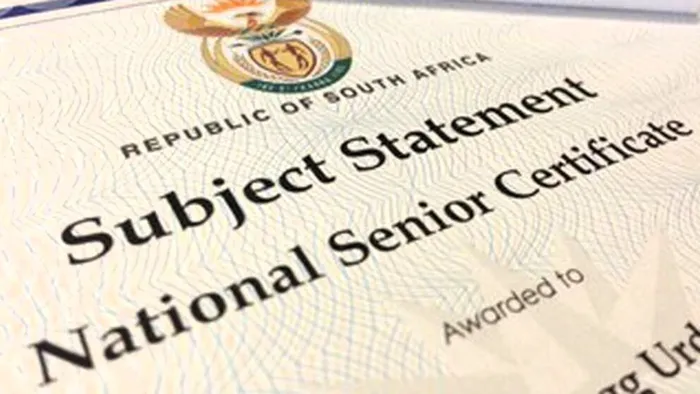
It will be business as usual in publishing matric results, after the Gauteng High Court gave the greenlight, but made it clear that only examination numbers may be used in this regard.
Image: FILE
In a significant decision on Friday, the Gauteng High Court in Pretoria ruled that matric results can once again be published on public platforms.
The three-judge panel dismissed concerns about privacy violations, calling the argument that students would memorize each other's examination numbers "unrealistic."
This landmark ruling confirms that using examination numbers instead of names adequately protects the privacy of matriculants while allowing for the traditional public release of results.
This has been an ongoing issue since 2022, and while several judges have up to now given the green light for the publication, the matter has never been fully ventilated. The dispute over the public publication of matric results began in 2022 when the Department of Basic Education (DBE) tried to prohibit it.
At the time, the judge agreed with AfriForum and the other parties involved that the publication of the results was in the public interest and that the use of examination numbers instead of the names of the matriculants provided sufficient protection for their privacy.
At the end of last year, the Information Regulator (IR) tried to prevent the DBE from publishing the 2024 matric results. However, the IR’s application for an interdict failed in January when the court ruled in favour of the publication of the results.
The DBE maintained that this order is still valid, and it argues that it has no other choice but to oppose the IR’s directive to withhold publication.
In the legal challenge, three applications in this regard have been joined. It included whether the IR’s directive that the results may not be published is valid or not.
The fact that the DBE published last year’s matric results resulted in the IR slapping it with a R5 million administrative fine. This was one of the applications under the spotlight, but the department now managed to overturn this sanction.
The Protection of Personal Information Act (Popia) came under the spotlight, as the IR maintained that by publishing the results alongside the matric candidate’s exam number, it was in contravention of Popia.
The IR issued the DBE with a notice in November last year that it may no longer publish the matric exam results, as it is in violation of Popia.
When the department went ahead with publishing it, it was slapped with a R5 million fine.
The IR felt that learners could get their results from their schools or be notified via SMS message. According to the IR, matriculants over 18 must give consent before their results are published, and the parents or caregivers of those under 18 must give consent.
In hitting back, the department said the published information does not constitute personal information for purposes of the Act. It argued that no reader of a newspaper will be able to identify the learners by their exam numbers.
But judge Omphemetse Mooki, who wrote the judgment, agreed with the department that this contention was "fanciful." He questioned which student, busy writing exams, would bother doing this.
He commented further that the Act is concerned with preserving privacy interests. He held that the manner in which the results are being published does not infringe upon these rights.
Thus, the court concluded that the results may be published, only containing the student’s exam number.
AfriForum, a party to the application, meanwhile welcomed the ruling. According to Alana Bailey, AfriForum’s Head of Cultural Affairs, this case was necessary for providing more clarity about the balance between the protection of individuals’ privacy and the necessity to release information in the public interest.
Get your news on the go, click here to join the Cape Argus News WhatsApp channel.
Cape Argus