SCA mandates fresh inquest into Theresa Wampach-Todd's fatal cliff fall


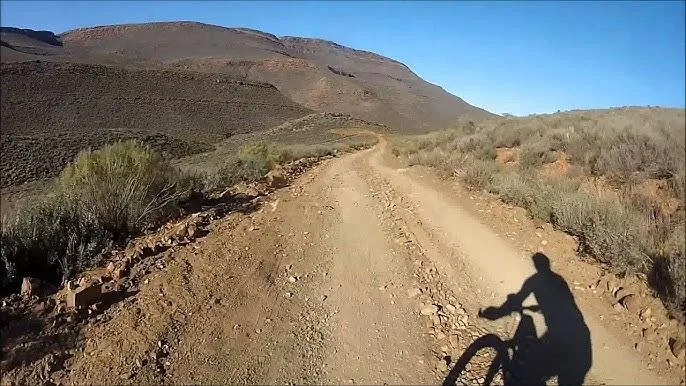
The Supreme Court of Appeal has ordered a new inquest into the death of Theresa Wampach-Todd who fell to her death from a cliff in the Cederberg Mountains while cycling.
Image: Supplied
The Supreme Court of Appeal has mandated a new inquest into the death of Theresa Wampach-Todd, who tragically fell from a cliff in the Cederberg Mountains in the Western Cape in 2016.
The new inquest will include a public hearing with oral evidence, which was not part of the original proceedings. Her husband, Sean Todd, was implicated in her death by the Clanwilliam Magistrate’s Court, which made its ruling without hearing any oral testimonies. In response, Todd appealed the magistrate's decision to the Western Cape High Court.
He sought an order reviewing and setting aside the magistrate’s finding and having it substituted with a finding that it had not been established that the death of the deceased was brought about by any act or omission prima facie involving or amounting to an offence by any person.
The high court dismissed the application and refused leave to appeal. Todd subsequently turned to the SCA, which had now ruled that a new inquest must be held, heard by another magistrate.
It is stated in court documents that in the early hours of January 14, 2016, while the couple were at a holiday resort in the Cederberg, they took their mountain bikes and cycled on a trail. They stopped to take photos and after Todd snapped his wife, he walked off and left her behind. Todd said that he suddenly heard a scream, and when he turned around, he saw her falling forward into a cliff.
He went down the cliff and found her lying in the ravine. Todd said he rushed back to the resort, informed the receptionist, Corrine Fortuin, and pointed out to her on a map where the incident took place.
Police also arrived to investigate the scene, and later the body was airlifted from the ravine. In a statement made by EMS respondent Shaheed Osman, the injuries on the body did not seem consistent with someone who slipped.
Medical scientist Grant Jennings said in his statement that he had never seen a body in such good condition after a cliff fall but that it was possible if the person did not have multiple strikes. At the time the Director of Public Prosecutions (DPP) decided not to proceed with criminal charges. However, it was recommended to the magistrate that an inquest be held in public.
The magistrate was of the view that a formal inquest was not necessary. This was despite a request made by the DPP that the inquest be conducted by the hearing of oral evidence. Kendal Victor, the daughter of the deceased from a previous marriage, also asked for oral evidence to be submitted.
During the proceedings, Victor was permitted to make oral submissions, without taking the oath. In her address, she made several damaging allegations against Todd.
She claimed that there were many unanswered questions surrounding the death of the deceased that needed to be resolved.
She implored the magistrate to hear the oral testimony of various witnesses, contending that their evidence and statements, taken together, would paint a more accurate picture of what had happened on that day.
The SCA said at the very least Todd should have been afforded the opportunity to challenge the circumstantial evidence from which inferences were drawn that resulted in the magistrate’s findings.
The court said there is a dispute of fact as to the precise manner in which the deceased died and there was no reason for the magistrate to have refused hearing oral evidence.
Get your news on the go, click here to join the Cape Argus News WhatsApp channel.
Cape Argus