MPs to vote on abolishing the 30% matric pass mark


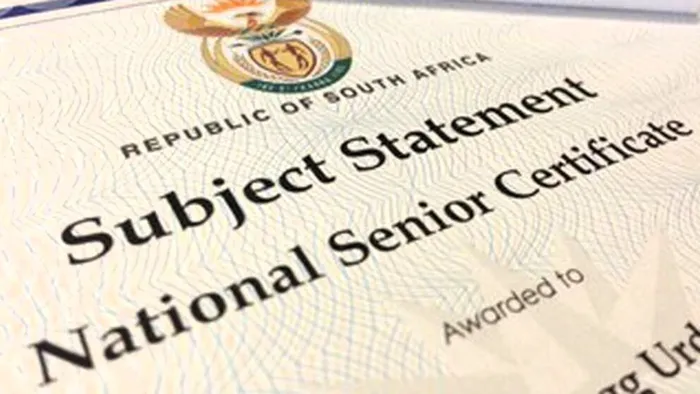
MPs are set to decide on ending the controversial 30% pass mark for matriculants.
Image: FILE
Members of Parliament (MPs) are set to vote on a significant issue that could change the educational landscape in South Africa: the removal of the 30% pass mark for matriculants.
The vote, taking place on Tuesday, follows rising concerns about educational standards and the effectiveness of current minimum requirements for high school learners.
Build One SA (BOSA), leader Mmusi Maimane is at the forefront of this debate arguing that the 30% threshold undermines learners' academic potential and calling for its reassessment
Maimane calls for a strategic reevaluation of educational standards, advocating for a gradual increase of the pass mark to 50%—a move he believes will promote genuine academic excellence and accountability among educators.
“End the 30% pass mark now, this is what Bosa has been calling for for a long time now and yet the South African government seems to be committed to defending this policy... No one can be proficient in any subject by obtaining over 30%. It sets expectations low; it tells teachers that this is all they have to do," he said.
Maimane said that Bosa tabled a motion and it was debated in a mini plenary of Parliament where many parties expressed their support to moving the pass mark to 50%.
He emphasised that the nation must aspire to meet or exceed the educational standards set by other countries. He argued that the current pass rate not only limits the ambitions of students but also reflects poorly on the government's commitment to quality education.
"The parties who are against this 50% seem to forget that the countries we compete with, the same countries who came for the G20 have their pass rates higher than us. They ensure that younger people do better, yet the South African government wants to defend the 30% pass mark," he said.
Support for Maimane’s proposal came from a variety of parties in the assembly, including representatives from the uMkhonto weSizwe (MK) Party. Sihle Ngubane expressed strong agreement with the argument, articulating the need to allocate resources aimed at reducing socio-economic barriers that contribute to the ongoing challenges faced by learners in lower quintile schools.
“When we tell learners that 30% pass rate is enough, we are ignoring 70% of their potential. Education must be about teaching children to reach full potential, not embracing mediocrity as normal," he said.
Get your news on the go, click here to join the Cape Argus News WhatsApp channel.
Cape Argus