Long queues and crime: The harsh reality of healthcare in the Western Cape


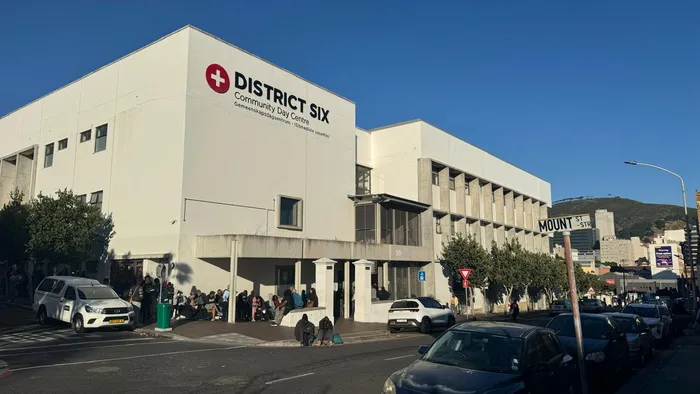
Lengthy queues outside of the District Six Community Day Centre.
Image: Murray Swart
Every day patients at the Western Cape public health services face the grim reality of long queues, overcrowding and even becoming a victim of crime during their wait as opportunistic thieves seize the moment.
As the Western Cape Department of Health and Wellness (WCDHW) celebrates another clean audit, its seventh in a row, the department’s financial success is overshadowed by this reality faced by patients.
The department admitted the healthcare system continues to face significant challenges, including extended waiting times and strain on facilities. It said the demand for healthcare is outstripping government capacity, exacerbated by budget constraints and new regulations that hinder the swift filling of crucial posts.
Despite these obstacles, it said it had successfully stabilized staffing, unfrozen previously held posts, and prioritized the recruitment of frontline staff alongside strategic redeployment.
The department’s 2024/25 Annual Report shows more than 20 million visits and admissions this year. There were 18.7 million primary healthcare contacts, nearly 30 000 more HIV tests, and a drop in TB patients lost to follow-up from 23.1% to 17.8%. The WCDHW delivered five million chronic medicine parcels and spent 99.6% of its R30.69 billion budget.
Earlier this week, GOOD Secretary-General Brett Herron filed a criminal complaint against Health and Wellness MEC, Mireille Wenger and David Maynier, Education MEC, alleging they knowingly presented a false provincial budget before the 2024 elections.
Herron claimed Wenger tabled the underfunded budget on March 7, 2024 and the parties reserved comment stating they would review the affidavit first
Cape Argus took to the streets this week, visiting public health facilities to explore the ongoing challenges faced by patients.
The harsh and shocking reality was that some faced being robbed and even left destitute as they waited for services, often with no meal or shelter from the rain or hot sun.
At Somerset Hospital, a 65-year-old man shared a different hardship after he was robbed of his personal belongings and claimed he waited days to be attended to: “The ambulance brought me here on Sunday after I broke my arm,” he said, sitting barefoot outside.
“I went to shower and when I came out, all my clothes and shoes were gone. The staff gave me some old clothes and a cast, but now I have nothing.” “There are big problems in healthcare,” he said. “You can change the system, but not the people in it.”
Another patient, a man in a wheelchair, said he often feels overlooked due to his disability: “We get up early to be seen, but we still leave at the same time as everyone else.”
At the new District Six Community Health Centre, long queues formed before sunrise, with some patients arriving at 4:45am.
“I’ve been here since just after 5am,” said one patient, waiting for a wound dressing. “People who need the doctor or pharmacy can sit here the whole day.”
A staff member said lengthy queues had sadly become the norm: “We’re short-staffed. Everyone is waiting for the next budget to see if more jobs will be created.”
A nearby security guard warned reporters to stay alert. “People have been robbed while waiting in line,” he said.
In response to the challenges faced at public health facilities, Wenger told Cape Argus: "We are under no illusion that there is still significant work to do to expand access, strengthen quality, and improve the experience of care across the province," she said.
“The reality is that healthcare needs are growing faster than the government alone can meet, particularly within a constrained national budget environment and under new regulatory requirements that have slowed the filling of critical posts.
“Despite this, the Western Cape has stabilised staffing levels, unfrozen posts, and prioritised frontline services with focused recruitment in emergency, maternal, and child health services and strategic redeployment of staff where pressure is greatest.
“We are implementing a range of innovations to improve patient flow and reduce waiting times. This includes expanding community-based medicine collection points and e-lockers to decongest facilities and strengthening outreach, telehealth, and mobile services, particularly in rural and high-demand areas.
"We are also exploring how to implement a digital booking and electronic patient record systems.”
Despite these challenges, it recently opened the R8.45 million Villiersdorp Ambulance Station and an interim Emergency Centre at Robertson Hospital. Construction is underway at new facilities in Ravensmead and major hospitals across the province.