It's okay to not be okay: Young South Africans talk about Mental Health
South African youth confront mental health challenges.
Image: Supplied
As South Africans observe Mental Health Awareness Month this October, more and more young people are becoming more mindful of their issues.
While mental health is often stigmatised as disorders and an inability to function in society, it can be more mundane than that.
In fact, most issues arise from everyday challenges. And if untreated, these could lead to depression, anxiety and more serious personality disorders.
While some might feel ashamed to speak out or even admit an issue to themselves, Cassey Chambers, the Operations Director for the South African Depression and Anxiety Group (SADAG) says “it’s okay to not be okay but you don’t have to go through it alone”.
In South Africa one in three people have had a mental illness at some point in their lifetime. Furthermore, while women are diagnosed with depression and anxiety more often than men, men are four times more likely to die by suicide than women.
She explained “SADAG’s message for Mental Health Awareness Month is that “It’s OK to not be OK but you don’t have to go through it alone.
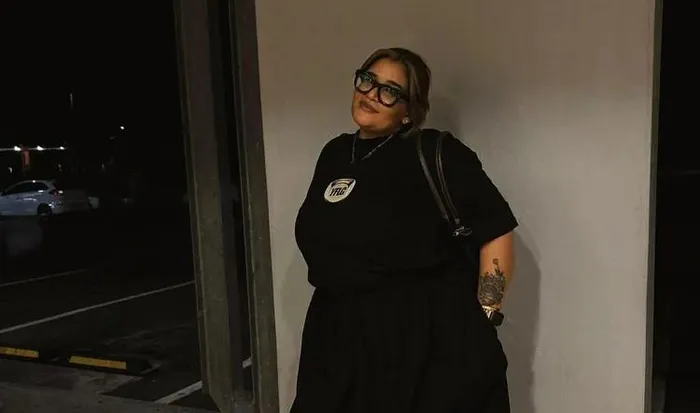
Kirsten Floris, 28, was first diagnosed with depression at the tender age of nine years old after battling severe social anxiety.
Image: Supplied
“Only 1 in 10 people with a mental Illness have access to mental healthcare or treatment, which means 9 out of 10 people with a mental Illness do not have access to mental health care.
“Unfortunately, many South Africans still don’t know where to go for help, or they assume that mental health care is only available through private doctors or expensive clinics.
"We are also seeing an increase in youth and adolescent mental health concerns."
She added that more and more South African face mental health challenges: "We have seen a growing increase over the years, especially since the Covid-19 pandemic. Before the pandemic we were receiving 600 calls per day, and from the first day of lockdown our call volumes doubled overnight.
"Since then we've seen a growing increase. Currently, we receive 3 000 calls per day.”
School learners and university students are especially vulnerable, as the pressure to excel is constant.
Professor Trevor Moodley from the Educational Psychology Department at the University of the Western Cape said that there is a growing trend in mental health challenges both at school and University level.
He added: "Children are put under a lot of strain to excel academically. Besides the stressors they might feel in academic performance, we have a lot of social emotional issues such as high unemployment and violence, including abuse.
“I think it has escalated more with addiction to social media. Children are exposed to social communication 24/7."
Kirsten Floris, 28, from Parow said that she was first diagnosed with depression at the tender age of nine years old after battling severe social anxiety.
At the age of 23, she was officially diagnosed with borderline personality disorder, anxiety, depression and ADHD.
She said: “I educate people on the topic by saying don't use mental illness to abuse other people but also don't shy away from it."