What Cape Town's expected population growth of 2.9 million by 2050 means for the city


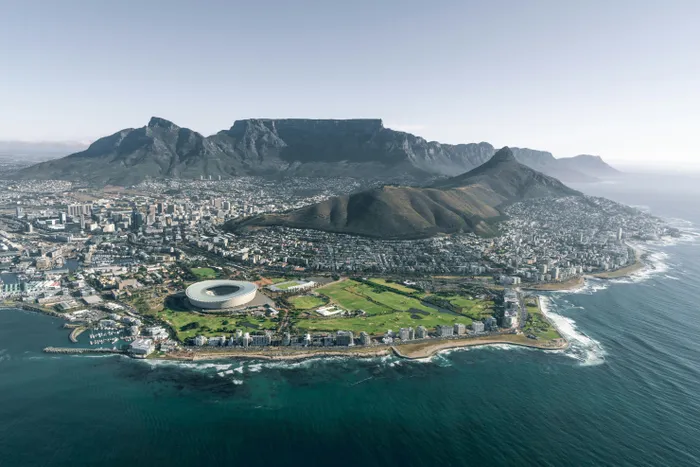
Projected population growth in Cape Town shows the city could gain up to 2.9 million more residents by 2050, with a sharp rise in older residents expected.
Image: Unsplash
Cape Town is on the brink of a significant demographic shift, with its population projected to increase by as much as 2.9 million by the year 2050. A notable factor driving this growth is the city’s ageing residents.
According to the City of Cape Town’s recently released draft long-term plan, while the pace of growth may slow compared to previous decades, the metro is still expected to welcome between 1.5 and 2.9 million new residents, building on its current population of 4.8 million as of 2022.
The plan highlights, “By 2050, we project that the city will have between 1.5 and 2.9 million more residents than 2022 levels.”
The report highlights that a major demographic shift is under way, with the proportion of residents aged 65 and older projected to rise sharply.
“We project that the proportion of the population aged 65 and older could rise significantly in the next 25 years, from 6.2% in 2016 to 10.6% in 2035 and further to 15% by 2050,” it notes.
Despite this, the city will still retain a large working-age population between 25 and 50 years old.
However, officials warn that an ageing population will drive greater demand for housing, healthcare, social and municipal services.
“A higher old-age dependency ratio could have implications for healthcare, social and community services, and potentially increase strain on public resources,” the plan cautions.
The document also points to a trend toward smaller households, which could intensify pressure on housing and local economies.
“One-to-two-person households will often look for basic amenities such as food, haircare, etc. within walking distance of their home. This will increasingly drive demand in the emerging economy,” it says.
On the economic front, the City projects three possible growth scenarios for 2050.
A “high growth” trajectory could see GDP per capita grow by 119% from 2023 levels, while a “business-as-usual” path would mean just 37% growth.
Under a “low growth” outcome, per capita growth could be as little as 6% over the same period.
The City stresses that sustained growth is critical to managing demographic pressures.
“Importantly, we recognise that economic growth is a necessary but not sufficient condition. We cannot solve inequality in our city without economic growth, but economic growth alone is not the whole answer either,” the draft plan says.
Get your news on the go, click here to join the Cape Argus News WhatsApp channel.
Cape Argus