Cape Town reviews marine outfalls amid concerns over contaminants


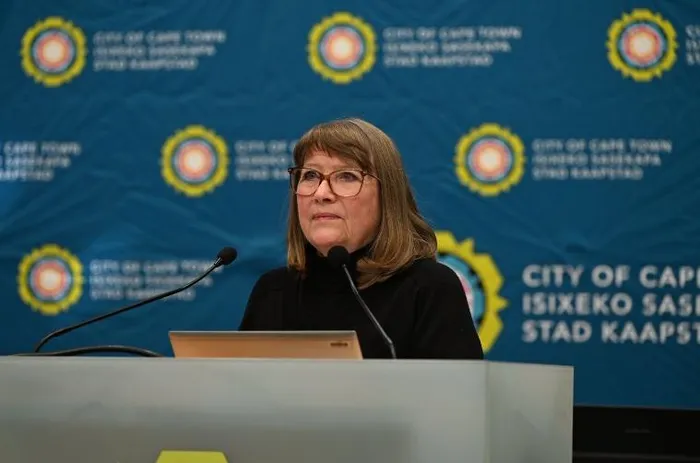
Professor Leslie Petrik from the University of the Western Cape (UWC) presented her latest research on the presence of contaminants of emerging concern (CECs).
Image: City of Cape Town
The City of Cape Town said it's addressing chemicals of emerging concern (CECs) in its coastal environment.
This comes as recent monitoring of marine outfalls at Camps Bay, Green Point, and Hout Bay showed operations largely within design and regulatory standards.
The City presented their latest performance and environmental monitoring results for the marine outfalls at the Permit Advisory Forum (PAF) hosted on August 22.
Professor Leslie Petrik from the University of the Western Cape (UWC) presented her latest research on the presence of CECs such as pharmaceuticals, endocrine disruptors, and antibiotic-resistant microbes in the marine environment, noting the impact of CECs is a global challenge.
During her session, Petrik highlighted her concerns about the gaps between the City’s wastewater treatment processes and international wastewater treatment standards, including levels of perfluorinated compounds identified in fish, mussels and oysters tested along the coastline as part of her study.
Deputy chairperson for the Section 80 Advisory Committee on Water Quality in Wetlands, Waterways and the Coastal Environment, Alex Lansdowne, said while the City’s marine outfalls remained compliant with national regulations, they recognised that compliance alone may not fully address emerging challenges.
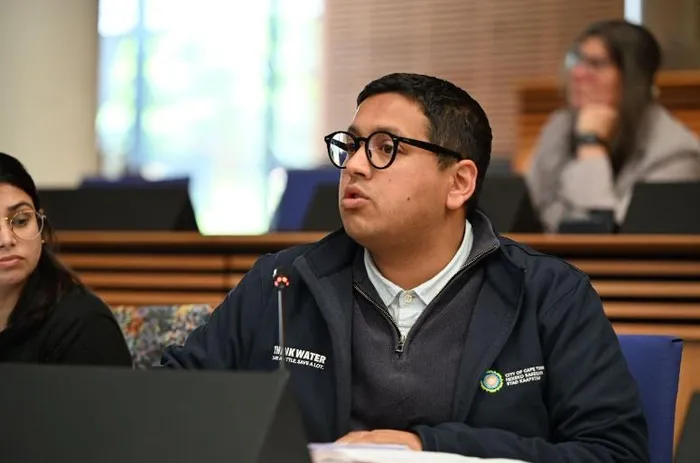
Zahid Badroodien, the City’s mayco member for Water and Sanitation, agreed that partnering was vital for maintaining standards.
Image: City of Cape Town
“That is why we are open to collaborating with the academic community, to ensure that the latest developments and research assist in informing our long-term upgrade and treatment options,” he said.
“I am glad Professor Petrik has committed to continue engaging with the City of Cape Town on the applications of her research.”
Zahid Badroodien, the City’s mayco member for Water and Sanitation, agreed that partnering was vital for maintaining standards.
He said further engagements are being planned to look into the academic recommendations put forward.
Quarterly environmental monitoring results (April - June 2025) and permit compliance showed 477 coastal water samples were collected.
Only eight (1.7%) exceeded the enterococci limit, mostly near outfalls, with a few offshore in Table Bay.
Overall, coastal waters remain safe for recreation.
Monitoring showed high compliance with Department of Forestry, Fisheries and the Environment (DFFE) discharge permits:
- Camps Bay: 88,9% (City samples), 99,3% (Auditor samples)
- Green Point: 80,9% (City), 95,8% (Auditor)
- Hout Bay: 98% (City), 100% (Auditor)
Badroodien said the reflect a commitment to responsible operations and safeguarding the coastal environment.
Just last week, RethinkTheStink criticised the DFFE for a 20-month delay in deciding the appeal against the City’s Cape Town's Coastal Waters Discharge Permits in Camps Bay, Green Point and Hout Bay.
They said despite a recent DFFE response to them, core questions remain unanswered and that public comment on the matter has since closed.
They cited procurement issues as the cause of the delay and questioned what interim measures have been implemented to protect Marine Protected Areas in the meantime.
Get your news on the go, click here to join the Cape Argus News WhatsApp channel.
Cape Argus