City considers selling its stake in the International Convention Centre


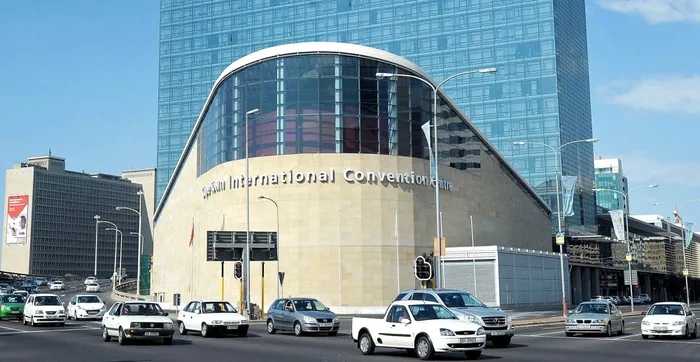
Cape Town International Convention Centre.
Image: Independent Newspaper Archives
The City of Cape Town has asked residents for their thoughts on a big decision: selling its main share in the Cape Town International Convention Centre (CTICC).
The proposal has ignited a debate among City officials and opposition councillors, leaving residents puzzled about the specific details involved.
The CTICC was originally set up by the City of Cape Town, the Western Cape government, and private businesses in 2003.
Its main goal is to attract international and national events to Cape Town, helping the city's economy grow and creating jobs.
The City currently owns the largest part of the CTICC (72.7%).
Despite the CTICC's recovery since the Covid-19 pandemic, the City is looking into selling its shares.
City spokesperson, Luthando Tyhalibongo, said the main reasons for considering the sale are:
- The CTICC has "performed well and reached a level of maturity".
- The City wants to keep the land as a City asset, but allow private companies to help the CTICC grow even further.
- Selling the shares could provide a "massive injection into critical public infrastructure for service delivery". It would also mean that private companies, not the City or its residents, would take on the risks and costs of expanding the CTICC.
The City is currently asking for public comments on the proposal.
Tyhalibongo said that if the sale goes ahead, the CTICC would become a private company, but its current role as a convention centre would remain a condition of sale. The City also confirmed that the CTICC already pays municipal rates like any other business.
Councillor Wesley Neumann from the GOOD Party is strongly against the proposed sale, calling the CTICC a "public jewel, created through the sacrifices and contributions of ordinary ratepayers".
He argues that the public is being asked to comment "in the dark" because not enough financial details have been fully disclosed to councillors.
“We see this happening all the time. They ask people to comment via email, but what actually happens to their comments? For example, in the tariff public participation process, thousands of people commented and their comments were ignored,” said Neumann.
“Profit is being made by the shares the City already owns, so why do you want to sell them off if ratepayers are already gaining the benefits? Why do you want to sell your shares, and especially for that price, when billions were put into it?”
Get your news on the go, click here to join the Cape Argus News WhatsApp channel.
Cape Argus