Public left in the dark over delays in coastal wastewater discharge permits
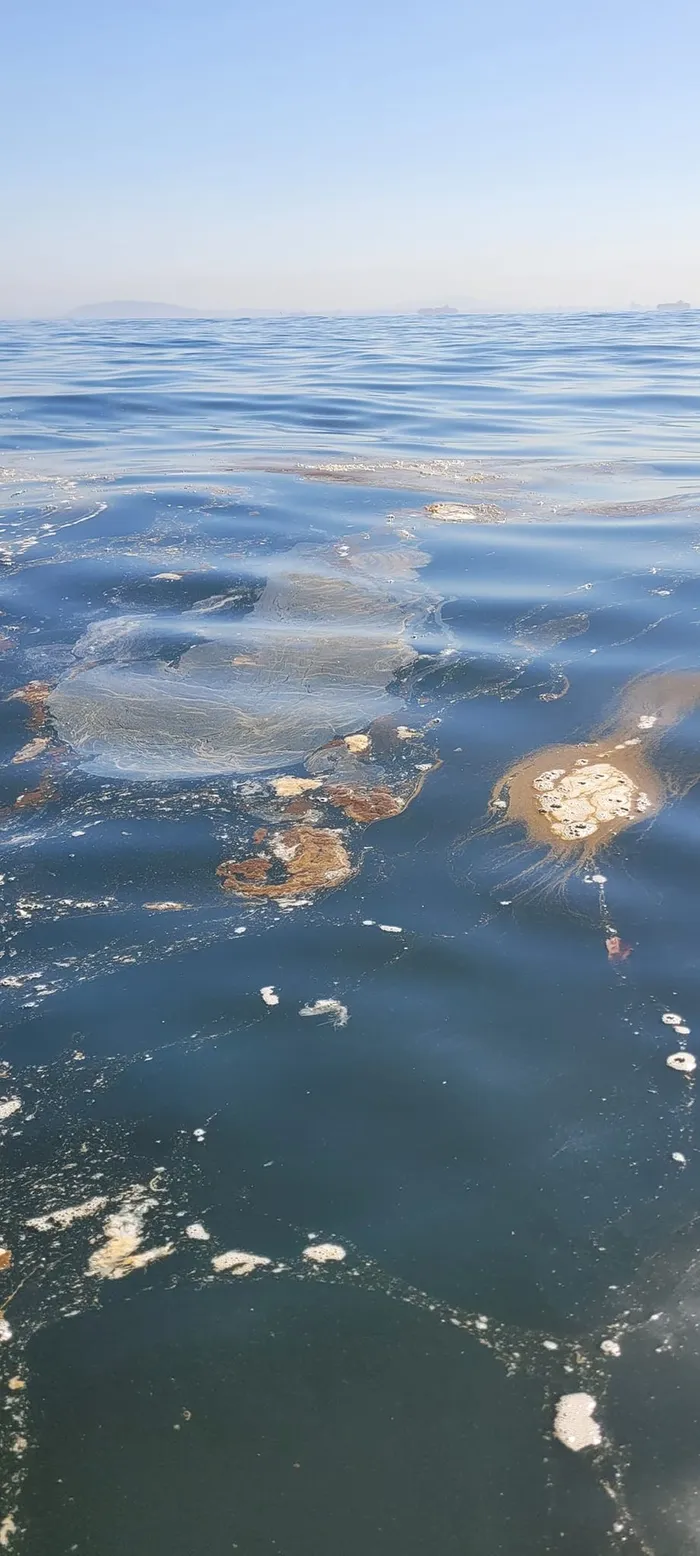
The DFFE said it was common practice in coastal cities around the world to discharge wastewater into the marine environment.
Image: File
RethinkTheStink has criticised the Department of Forestry, Fisheries and the Environment (DFFE) for a 20-month delay in deciding the appeal against the Coastal Waters Discharge Permits in Camps Bay, Green Point, and Hout Bay.
They said despite a recent DFFE response to them, core questions remain unanswered and that public comment on the matter has since closed. They have cited that the delay is a procurement issue, such as what interim measures have been imposed to protect Marine Protected Areas in the meantime.
In 2023, DFFE said they were aware of recent media reports, showcasing the appeal of the coastal waters discharge permits (CWDPs), that were issued for Hout Bay, Camps Bay and the Green Point Wastewater Treatment Works(WWTWs) in Cape Town.
At the time they said it was common practice in coastal cities around the world to discharge wastewater into the marine environment and that in South Africa.
They added that when the City of Cape Town submitted its applications, as part of the permitting requirements, they were required to conduct a marine impact assessment study to assess the impact of the effluent on the receiving environment – and that the Council for Scientific and Industrial Research(CSIR) was appointed to do carry out this assessment.
The findings of the study indicated that there is no immediate ecological disaster or major risks to human health forthcoming as a result of the effluent discharged through the Cape Town outfalls.
The department also considered alternative options during the decision-making process.
But Caroline Marx, director of RethinkTheStink, said since public comment on the appeal against the CWDPs was closed, they were expecting an explanation and a plan.
According to the parliamentary response in September 2024, Minister of DFFE, Dion George said the City of Cape Town had coastal waters discharge permits (CWDPs) that are authorised to discharge sewage that has undergone preliminary treatment, from three outfalls, namely, Camps Bay, Green Point and Hout Bay. He further explained that these three permits were subject to ongoing appeals and that despite the processes it remained valid.
The CWDPS allows the City to discharge 25 million, 11.3 million and5 million litres of sewage into the sea per day in the outfalls named.
“Since the closure of public comment on the appeal against the Coastal Waters Discharge Permits (Camps Bay, Green Point, Hout Bay). No decision has been communicated, despite the significant environmental, health, and legal implications of continued untreated or partially treated effluent discharge into marine protected areas (MPAs),” she said.
“The urgency is underscored by a series of recent peer-reviewed studies, including the 2025 Water Resources Research paper on Contaminant Denialism in Water Governance, which documents how official communications have, at times, downplayed or obscured the extent of sewage-borne contaminants in Cape Town’s coastal waters.
“There is still no firm or even indicative date for the Minister’s decision.
The public is entitled to know when this will be finalised.”Marx said the facts behind the appeal were as follows: “Camps Bay, Green Point, and Hout Bay sewage out-fall pipes pump over 34 million litres untreated sewage containing pharmaceuticals, PFAS (forever chemicals), microplastics, and disease-causing micro-organisms into marine protected areas every day.
“RethinkTheStink is demanding transparent answers and an immediate commitment from the Minister to a clear timeline, use of the latest science, and interim measures to limit harm.”
In a response to Marx, which was shared with Cape Argus, the DFFE said the department appointed an environmental assessment practitioner and engineering specialist firm, an aquatic/marine specialist firm; and a health impacts assessment firm.
“These independent experts were tasked with providing specialist inputs on the environmental, technical, and public health aspects of the appeals to ensure a comprehensive and scientifically robust assessment,” DFFE said in the letter.
“The department remains commit-ted to concluding the process as expeditiously as possible, while ensuring that the decision is underpinned by credible, independent, and defensible specialist evidence.
This is essential given the complex environmental, legal, and public health considerations at stake.
The Cape Argus has since approached George’s office and they said they would respond in due course.
Get your news on the go, click here to join the Cape Argus News WhatsApp channel.
Cape Argus