Inside the murder trial of Corrine Jackson: Evidence from Nadine Esterhuizen's post mortem


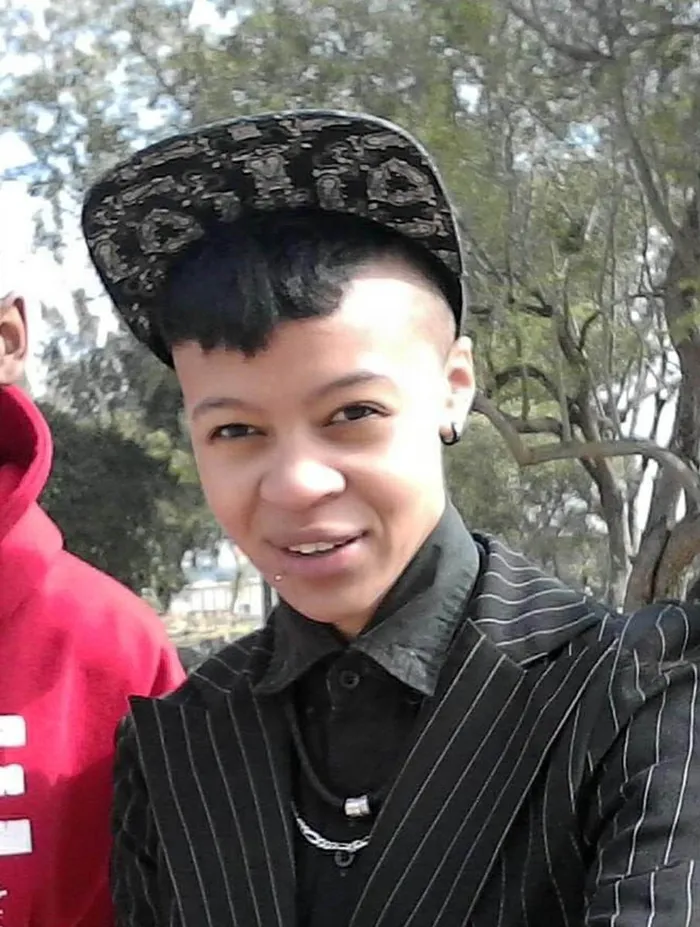
Murder accused, Corrine Jackson is on trial at the Mitchell's Plain Regional Court.
Image: File
A body of evidence is what Nadine Esterhuizen provided the State on the eve of the eighth anniversary of her murder, with her post mortem showing her killer left seven gaping wounds in her head and more to the large muscle in her neck and thyroid.
State forensic pathologist, Varushka Bachan, who has completed 2 800 post mortems, took the witness stand in the murder trial of Corrine Jackson at the Mitchell’s Plain Regional Court on Tuesday.
In a blow-by-blow account, Bachan detailed Esterhuizen’s final moments in September 2017, as she had conducted her post mortem just days after her murder.
Jackson is facing charges for Esterhuizen’s murder after her body was found inside a house in Colorado Park, Mitchell’s Plain, riddled with stab wounds.
Jackson was arrested at the scene and was found with two daggers in her possession inside the bathroom.
She claimed during her bail application that she had acted in self-defense.
Armed with the post mortem report and forensic pathology photographs, which graphically showed the wounds on Esterhuizen’s body, Bachan remained composed when she explained the victim had been stabbed 21 times.
As she described the horrific injuries to the 18-year-old’s body, she said the victim had been dressed in a denim jacket, which was soaked in blood, with other clothing items blood stained.
Speaking in a calm and professional nature, just metres away from where Jackson was sitting in the dock, wearing black, she said the victim had seven gaping wounds to the head, a perforating wound to the jugular vein, a deep wound to the thyroid gland, and wounds to the scalp, face, hands, fingers, and forearms, behind the ears and lips.
She added that there were bruises on the body, as if formed by oral suction, better described as love bites, and some older wounds to the body.
The State then asked the doctor to utilise the photographs to describe the wounds to head and neck, to which she indicated that the wounds were so deep one could see the tissue and added that for these to have been inflicted the attacker who had to be higher than the victim.
“The sternocleidomastoid muscle is the largest muscle in the neck,” she said.
“It allows you to move your neck from side to side and it protects the vessels.”
She added that in order for the wounds at the back side of the neck and behind the ears to be inflicted, the killer would have allowed the victim to be in a flexing forward position (bending of the head) and that for the neck and head wounds, the victim could possibly be sitting or that the killer was higher than her.

Nadine Esterhuizen was murdered.
Image: file
The State asked whether the blunt force trauma to the body, which the doctor described had been done with force, could have been done with an object or surroundings at the crime scene.
While looking at the crime scene pictures, she said: “There were various surfaces showing blood smears and long black hairs belonging to the victim found on surfaces such as the walls, floors to doors and the fridge.”
She explained that the wounds to Esterhuizen’s fingers and forearm were indicative that she had tried to defend herself from her attacker.
The State is set to prove that the killer had attempted to behead Esterhuizen following the testimony of the investigating officer during the bail application.
The trial continues today with the continuation of the State pathologist and more witnesses are expected to take the stand.
Get your news on the go, click here to join the Cape Argus News WhatsApp channel.
Cape Argus