Franco Three Fountains Nature Reserve secures rare Cape Vernal Pools habitat


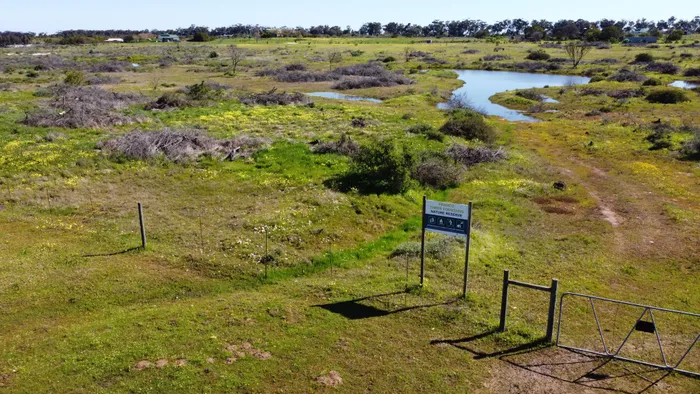
The Franco Three Fountains Nature Reserve is declared a protected area, marking a conservation turning point in safeguarding Cape vernal pools.
Image: CapeNature
Marking a significant conservation turning point as the first and only reserve dedicated to safeguarding the rare and ecologically important Cape vernal pools, the Franco Three Fountains Nature Reserve in near Philadelphia has been declared a protected area.
“The establishment of this Provincial Nature Reserve is yet another positive step in conserving the irreplaceable biodiversity of the Western Cape. This reserve protects unique ecosystems and threatened species, while demonstrating what can be achieved through responsible stewardship and long-term commitment to conservation," said Local Government, Environmental Affairs and Development Planning MEC Anton Bredell.
Cape vernal pools are a rare and endangered type of seasonal wetland ecosystem found within the Greater Cape Floristic Region.
CapeNature noted that the unique vegetation type, previously unrepresented across conservation areas, now finds its largest protected expanse within the boundaries of the reserve.
Situated within the Three Fountains Estate in the Klein Dassenberg smallholdings area, the land is privately owned and spans over 20 hectares.
The Franco Property Trust owns and manages the reserve through trustees, Tony and Jodie Franco, whose vision and commitment made the conservation milestone possible.
The reserve is home to a mosaic of Endangered and Critically Endangered habitats and species, including Atlantis Sand Fynbos and Swartland Shale Renosterveld.
It also protects seasonal wetlands, vernal pools and ephemeral streams that feed into the Donkergat River system and ultimately drain through Blaauwberg Nature Reserve into the Atlantic Ocean at Melkbosstrand.
A botanical survey of the site has recorded 156 plant species, including 22 species of conservation concern.
A few of these are recognised as being Critically Endangered, while several more are listed as Endangered.
Jodie Franco said she was proud to see the land formally recognised for its ecological importance.
“What began as an effort to clear invasive plants has grown into a long-term commitment to restoring rare and threatened habitats. The declaration is an example of what is possible when private landowners embrace conservation as a shared responsibility.”
Get your news on the go, click here to join the Cape Argus News WhatsApp channel.
Cape Argus