Half of sex workers don't know their HIV status - report
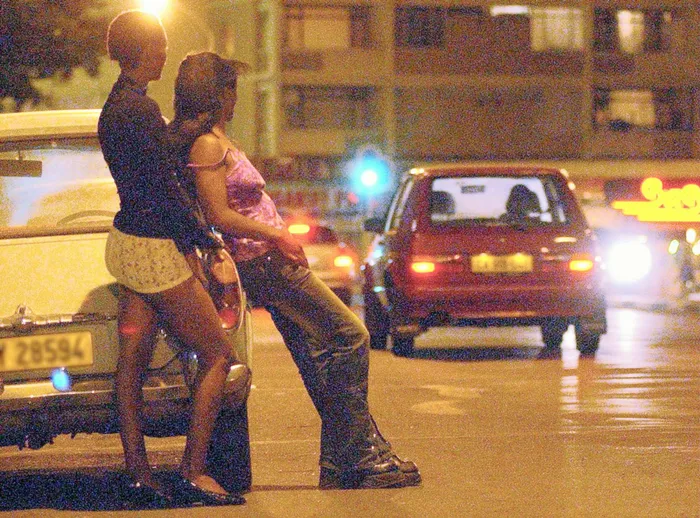
File photo: Brenton Geach File photo: Brenton Geach
Cape Town - Only 53.3% of South African urban sex workers were tested for HIV in 2016.
UNAIDS Country director for South Africa Mbulawa Mugabe said this was unacceptable.
Among the some 23 520 sex workers in Cape Town, Joburg and Durban, an estimated 57.7% were living with HIV.
The UNAIDS report Ending Aids also found that 86.1% of sex workers reported using a condom with their most recent client.
Mugabe said it was difficult to get data on sex workers and HIV in most countries where their work is a criminal act and “where data is collected, sex workers have extremely high rates of HIV infection compared to the general population”.
“A high amount of 60% of sex workers are HIV positive and I think it is important that somehow South Africa deals with the issue of the decriminalisation of sex work. It will allow the country to design programmes for sex workers to go into treatment after being tested.
“In South Africa, with legislation the high levels of infection will be able to be tackled. With criminalisation the sex workers do not access treatment and they hide from the police. It is a big challenge and the high rate is extremely unacceptable,” said Mugabe.
Men are another errant group who do not get tested in time. The report states that there are 4 million HIV positive women and 2.7 million men in South Africa.
Mugabe said women were more likely to be tested because they accessed health care services through primary health care facilities designed around maternal and child health services, which men do not frequent.
“So we have this situation in South Africa where men are generally left behind. And it is the reason we continue to have this high rate of infection as that there are a lot of men, who go untested and who do not know their status.
“They are more likely to start treatment late when they are sick. They are more likely to die of HIV-related illness more so than women because of the way the health services are structured,” he said.
Finding innovative ways of reaching men, outside of the occupational health services at work was crucial because many men were unemployed or worked in the informal sector, he said.
Mugabe praised South Africa for adopting the World Health Organisation strategy of providing initiated testing whereby people visiting a healthcare facility are offered a test and if found to be HIV positive are given treatment immediately. HIV affected people no longer have to wait until their immune systems fail before being placed on treatment.
“This major policy shift is very important for us to control this epidemic,” he said.