Tougher new liquor laws to clamp down on sales outlets
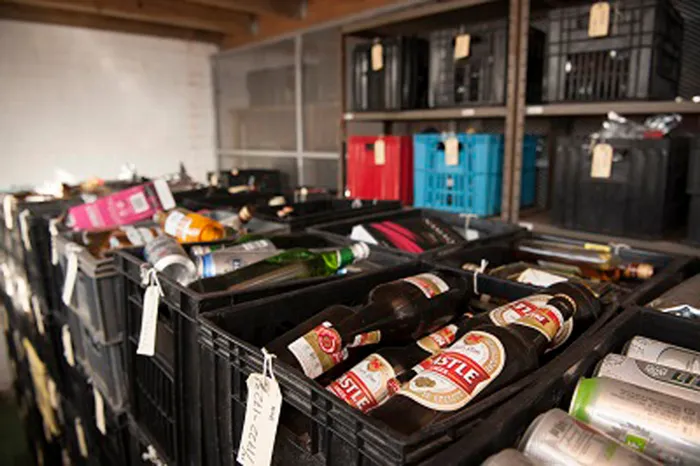
Stricter new liquor regulations come into effect on July 1. Stricter new liquor regulations come into effect on July 1.
Cape Town – The Western Cape government is about to crack down hard with fines of up to R100 000 on the cards for liquor sales outlets found to be contravening stringent new liquor regulations.
The Western Cape Liquor Amendment Act was signed into law on Wednesday and comes into effect on July 1, 2017.
The provincial government sought the amendments to curb the abuse of alcohol in the province and is the number one cause of road deaths.
Alcohol abuse is linked to at least 70% of crimes committed in the province, 67% of reported cases of domestic violence, while 70% of trauma victims admitted to hospital tested positive for alcohol, Premier Helen Zille said.
Key to the amendments is the issue of jurisdiction.
Previously, only SAPS could fine illegal liquor outlets and inspectors only had jurisdiction over Western Cape license holders.
Under the new law, inspectors will be able to issue notices of non-compliance to all license-holders, including national license holders.
"The new regulations now place a responsibility on liquor inspectors to visit all premises or vehicles where reasonable suspicion exists that liquor is being stored, conveyed or sold contrary to the provisions of the Liquor Act.
"Inspectors are further compelled to issue administrative notices if these premises are not fully licensed. The notices will be passed on to SAPS. We will monitor this through our provincial oversight mandate over policing,” Zille said.
She said with the appointment of four more liquor inspectors to ensure that regulations are enforced, the Western Cape Liquor Authority (WCLA) will dramatically increase the number of fines issued to illegal outlets.
Increased revenue from fines and liquor license fees would be used to bolster the WCLA’s financial sustainability, while some of the revenue will be used to fund "alcohol harm reduction efforts" in the province, she said.
"We believe that every area should have properly regulated, legal, decent, safe and clean taverns in decent areas where people can go, where licensing rules apply and where inspectors will make sure that conditions of the license holder are upheld.
"We live in a society where we have a long way to go where women and children are completely safe, but we can take steps in the right direction by having better lighting, better policing by inspectors and by having strict licensing conditions at taverns," she said.