Cape rolls out free wi-fi
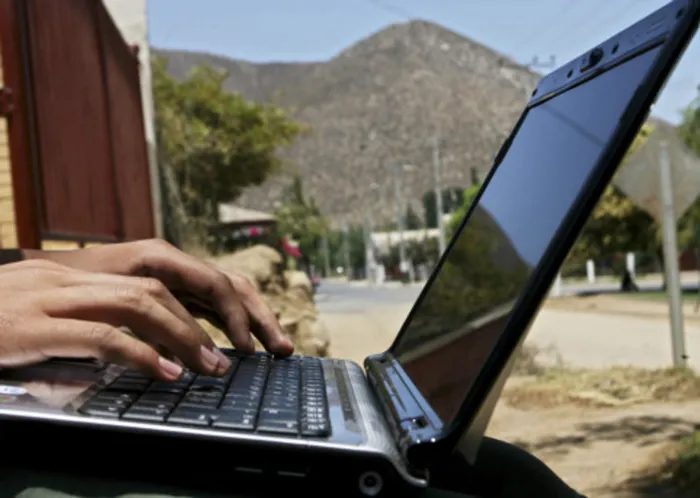
The first 50 public wi-fi hotspots have been connected in the Western Cape, allowing citizens in locations throughout the city and in parts of George to start browsing for free.
The Western Cape government, in partnership with Neotel and the State Information Technology Agency, launched the first phase of its free wi-fi roll out aimed at connecting residents throughout the province.
The hotspot sites can be found across the Cape metropole in areas like Bellville, Kraaifontein, Kuils River, Langa, Tokai, Bothasig, Delft, Manenberg, Bonteheuwel, Grassy Park, Heideveld, Stellenbosch and George.
Premier Helen Zille, flanked by Neotel’s Kennedy Memani, and Economic Opportunities MEC Alan Winde, said the project would see every single ward in the province have access to free wi-fi. “In every single ward in this province you will get a hotspot. The spots have been chosen very carefully and very strategically,” Zille said.
She added that the hotspots can be found mostly at places where people congregate, including schools, clinics and social development points.
According to the premier, the radius of the wi-fi extends for 100m around the wi-fi spot and if there’s no obstacles around, can go for 200m. She said the broadband initiative will also provide free access to government websites. Users will receive 250MB of free wi-fi a month, per user/device. Thereafter, payment kicks in.
“Although the free version of that wi-fi is limited, you can get the world’s best rates at R5 for 700MB after you have used your free portion,” she said.
According to Zille, the nearest competitor offers a daily recharge rate of R50 for 500MB. “We are aiming to achieve complete coverage by 2019, by which time all 384 hotspots should be activated.”
Winde stressed that wi-fi connectivity was an enabler of economic growth, job creation and innovation.
He said that in the 50 sites, people used search engines for education, jobs and health-related queries.
“We’ve been seeing shorter queues at our clinics, suggesting more residents are turning to the internet for basic medical questions. This is saving them travel money and lost time at work and reducing demand on stretched government medical services.”