City considers legal action over toll roads


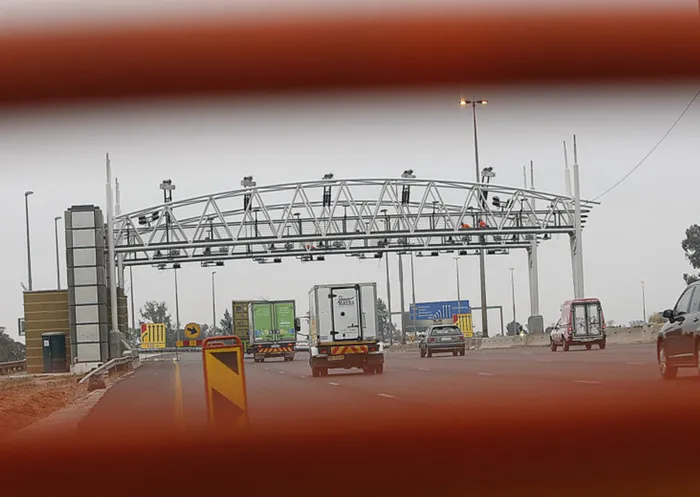
Toll road infrastructure goes up on the M1 near Joburg. Toll road infrastructure goes up on the M1 near Joburg.
BRONWYNNE JOOSTE
Metro Writer
CAPE Town’s transport authorities are fighting the introduction of tolls on the city’s major roads, lodging a formal dispute with the SA National Roads Agency (Sanral).
The city’s mayoral committee (Mayco) member for transport, roads and stormwater, Brett Herron, has written to national Transport Minister S’bu Ndebele, informing him that the city has declared an “intergovernmental dispute” with Sanral about the proposal to begin tolling the N1 and N2 between the city centre and the Cape Winelands.
A
t a Mayco meeting yesterday, Herron said it appeared Sanral had not taken any of the city’s concerns into account. These included that the introduction of the tolls would push more traffic on to municipal roads, which would place more pressure on the city’s infrastructure budget. The city says the socio-economic effects of the tolling system have not been properly investigated.
Herron said the city needed to lodge the dispute now because it appeared that Sanral was about to hire a contractor to move on the project.
“The city has exhausted all options. We have no choice,” he said of the dispute.
Sanral has hit back, saying through its public relations company last night that it had spent nine years discussing the project with the city and it had been given an opportunity to participate before the final decision was made by Ndebele to declare the routes toll roads.
“If the City of Cape Town was dissatisfied with this decision, it could have taken steps to review the minister’s decision. This was not done,” Sanral said.
Herron said the city had raised its concerns with Sanral on several occasions, including during the public participation process, but its comments had not been considered.
The city’s report on the matter said Sanral had been “dismissive” of the city’s concerns.
“The city has exhausted all other informal dispute resolution mechanisms. The only remaining mechanism available to the city to protect its infrastructure, finances and affected communities is to compel Sanral to engage with the city’s concerns,” it reads.
According to the document, the city sent letters to Sanral in a bid to arrange a meeting to discuss the concerns. “(Sanral) has responded that it is willing to meet the city only to explain its policies and strategies… not to engage in open-ended, meaningful discussions with the purpose of resolving the dispute.”
The city said it had asked Sanral to postpone awarding the tender, but it had refused.
The city has warned it may now have “to institute legal proceedings” to prevent Sanral from awarding a contract.
The report says the city does not support the policy of tolling as a means to fund road maintenance.
“Instead the (city’s) policy supports the collection of road user charges (through) a fuel levy or shadow toll, which is a more equitable and cost-efficient funding mechanism.”
Sanral has said the city was also extensively engaged in the environmental impact assessment process, finalised in 2008.
“If the City of Cape was dissatisfied with the decision to authorise the project, it was entitled to appeal the decision in accordance with the legislative process. This was not done,” the agency said.
Also, no objections to the project were raised during meetings in April last year or March this year, when the city was “represented by councillors and officials”.
Sanral said the city had failed to use legislative processes.
“Thus Sanral contends there is no dispute between the city and itself, and it remains open for further engagement,” the statement said.