The Clubhouse
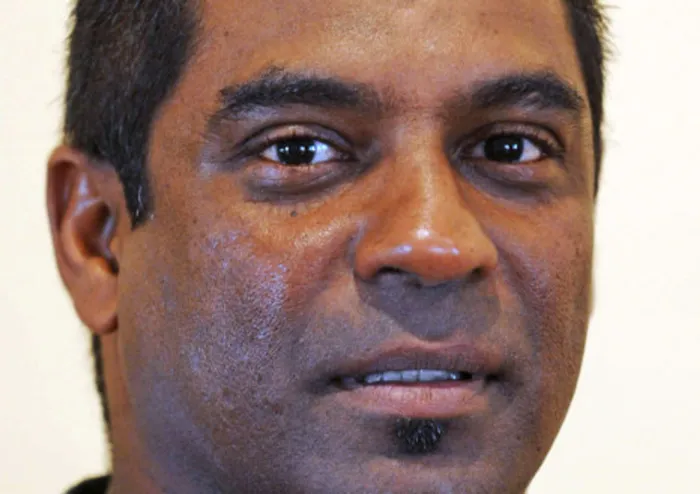
Lawson Naidoo Lawson Naidoo
Cricket South Africa (CSA) is bringing the sport and the national team into disrepute.
In the aftermath of the World Cup we are, like a number of countries, without coaches and captains. But our problems run deeper – there is a leadership crisis in both CSA and the national team.
We have been aware for some time that we would be in this situation. Corrie van Zyl was given the job only until the World Cup. Graeme Smith had announced his departure in August last year, giving up the T20 captaincy immediately and the ODI captaincy after the World Cup.
Smith is a black and white, love him or loathe him character who elicits vehement opinions from South African cricket fans. It is his seeming dominance of not just the team, but of CSA that should now be ringing the alarm bells.
Firstly, he has carefully choreographed the phasing out of the captaincy duties in a manner that is self-serving rather than in the best interests of the team or his successor(s) as captain.
Secondly, Smith chose not to return home with his team-mates after the World Cup. He instead got officials of CSA to variously announce that he had chosen to stay on in India for private business, to take a well-earned break, to visit his fiancée in Ireland, and indeed to announce his engagement!
Meanwhile cricket fans who turned out to welcome their defeated heroes were spurned by Smith. He surely owed a debt to fans here to receive their commiserations and to acknowledge the dashed hopes of cricket fans. Instead cricket fans feel as if they have been shown the proverbial middle finger.
Later it emerges that Smith’s failure to return to South Africa was part of a greater scheme to avoid paying tax! SA Revenue Services rules provide that a taxpayer who spends more than 183 days abroad, including 60 consecutive days, in any tax year, is not liable to pay income tax in South Africa.
What he (and A B de Villiers) is doing is not illegal, but surely we have a right to expect the captain of a national team to contribute to the state’s coffers in the same way that the rest of us do.
Tax avoidance of this magnitude is morally reprehensible, especially for one holding quasi-public office. And yet Smith does so with the blessing of CSA.
Given the track record of cricket administrators in South Africa that is no great surprise. Gerald Majola, and the majority of the board of CSA, recently opted to dismiss the CSA president, Dr Mtutuzeli Nyoka, rather than face an independent forensic enquiry into the payment of bonuses following the hosting of the IPL and Champions Trophy tournaments in South Africa in 2009.
Nyoka has alleged that bonuses were paid to Majola and other employees of CSA and its affiliates without proper disclosure and authorisation. They had instead, in keystone cops fashion, stitched together an “internal enquiry” conducted by a CSA vice-president, AK Khan, which conveniently swept the mess under the carpet and paved the way for the self-same Khan to be installed as president of CSA.
Nyoka is currently challenging his dismissal, based on a vote of no-confidence by the CSA board, in the Gauteng High Court.
CSA should demonstrate that it takes seriously the governance of the sport of cricket by appointing an independent investigation of its financial affairs relating to the IPL and Champions Trophy tournaments.
CSA must also strip Smith of the Test captaincy and allow the national team to embark on a new era under a new coach and captain.
This level of obfuscation of important principles of sound corporate governance cannot be tolerated. Cricketers and cricket administrators owe us the duty to behave in a manner that embraces the highest standards of integrity and probity. The principles of transparency and accountability must permeate all sectors of our society, not just government.
SA cricket needs a new beginning, and it must start at the top.
l Lawson Naidoo is executive secretary of the Council for the Advancement of the SA Constitution (Casac). He writes in his personal capacity