EU's 2035 zero-emission deadline threatens South Africa's automotive export future


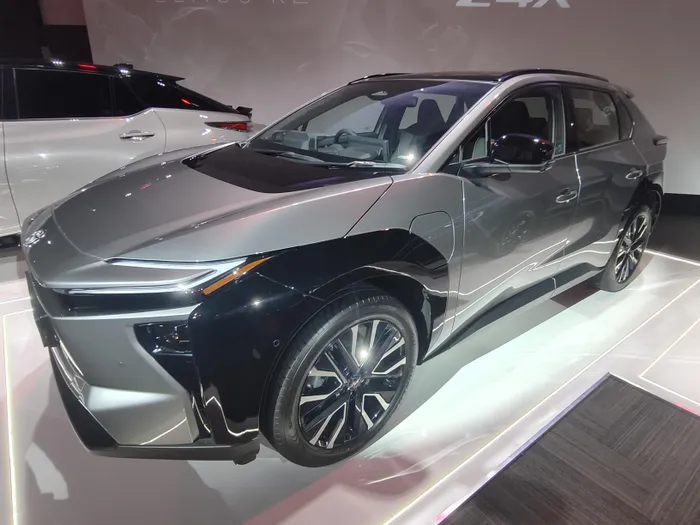
International regulatory measures are increasing pressure on South Africa to accelerate its transition towards local manufacturing of zero-emission vehicles and related components.
Image: Willem van de Putte
The European Commission has reaffirmed its commitment to reducing CO₂ emissions from all new vehicle sales, setting a clear trajectory towards a zero-emission market by 2035.
Under the latest proposals, battery-electric and fuel-cell electric vehicles will dominate new vehicle sales in Europe beyond that date.
This has a consequence for South Africa. Europe remains one of the country’s most important export destinations, particularly for locally produced passenger vehicles.
Battery-electric vehicle sales in Europe continue to accelerate. Last year, they overtook new internal combustion engine sales for the first time, with December recording the highest monthly figures yet. The regulatory direction is matched by market demand.
Export risk without policy alignment
The European Automotive Package should not be viewed as a safety net for South Africa’s industry, according to Hiten Parmar, executive director of The Electric Mission.
“Europe’s Automotive Package announcement is no lifeline for the South African automotive industry,” he said.
According to Parmar, international regulatory measures are increasing pressure on South Africa to accelerate its transition towards local manufacturing of zero-emission vehicles and related components.
“International regulatory measures put further pressure on South Africa’s industrial transformation into local manufacturing of zero-emission vehicles and their associated components. There are thousands of jobs on the line across the value chain of our automotive industry.”
At the recent State of the Motoring Industry conference hosted by Toyota South Africa Motors, President and CEO Andrew Kirby also highlighted the need to accelerate energy transitions.
Last year, South Africa built 609,000 vehicles, with a record 411,000 exported. Exports now account for 68% of total production.
“It makes a huge contribution to our economy in terms of forex, jobs and skills. But we need to look at where those exports are going,” Kirby said.
Eighty-one percent of exported vehicles were destined for the UK and the European Union, while exports to the rest of Africa have declined to 8%.
“We had a fairly diversified export market going back to 2006. Slowly, we migrated to be focused on one destination,” he said. “We need a healthy domestic market and a diversified export market in order to sustain and grow our production base.”
Kirby warned that regulatory changes in the UK and Europe - particularly around zero-emission mandates and fleet-average emissions - will affect demand over the next five years.
“We are most likely going to see a significant decline in exports to Europe and the UK,” he added. “We can’t rely on the situation remaining the same.”
With the automotive sector contributing significantly to GDP and employment, export competitiveness hinges on regulatory alignment with key markets.
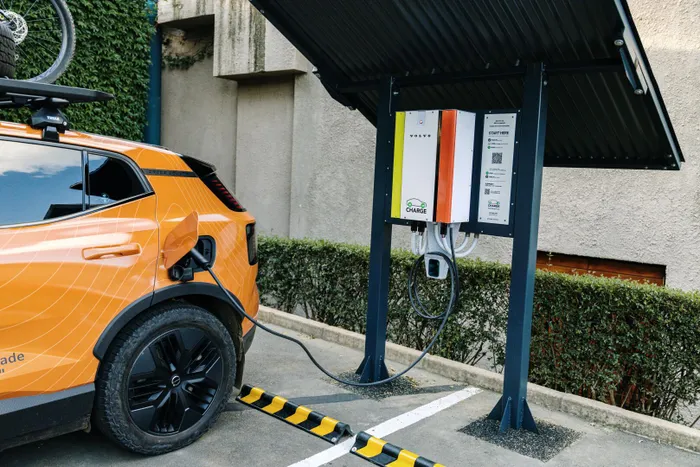
Through the Clean Trade and Investment Partnership (CTIP) between the EU and South Africa, there is scope for collaboration in developing the battery value chain.
Image: Supplied
Battery value chain and trade cooperation
Europe’s Automotive Package includes a Battery Booster component aimed at expanding European battery manufacturing capacity. This is designed to strengthen local production of battery-electric vehicles and reduce reliance on imported components.
Through the Clean Trade and Investment Partnership (CTIP) between the EU and South Africa, there is scope for collaboration in developing the battery value chain. However, realising that opportunity depends on domestic policy certainty.
“The significance of the 2035 timeline in Europe requires strategic intervention on the part of South Africa’s supply-side and demand-side policies. This is a critical opportunity to take action and align the South African automotive industry with key markets,” Parmar stressed.
Growing African competition
Competitive pressure is also intensifying within Africa. In January, Morocco overtook South Africa as the continent’s leading automaker, supported by rapid industrial expansion and investment in renewable energy infrastructure.
Morocco’s automotive production increased by 79%, reflecting how quickly manufacturing leadership can shift when policy and infrastructure align.
Clear standards needed
A recent G20 task force submission to the Presidency highlighted the role of fuel efficiency and emission standards in driving innovation.
“Fuel efficiency and vehicle emission standards set fleet-wide performance benchmarks, encouraging manufacturers to innovate, whether through more efficient combustion technology or a faster transition to zero emission vehicles,” Parmar said.
As Europe moves decisively towards zero-emission sales, South Africa’s response will depend on regulatory clarity, defined emissions standards and targeted industrial incentives.
Without those measures, access to a critical export market could become increasingly difficult.