How matriculants can avoid the pitfalls of unregistered institutions

Matric results are coming: What students need to know about unregistered institutions
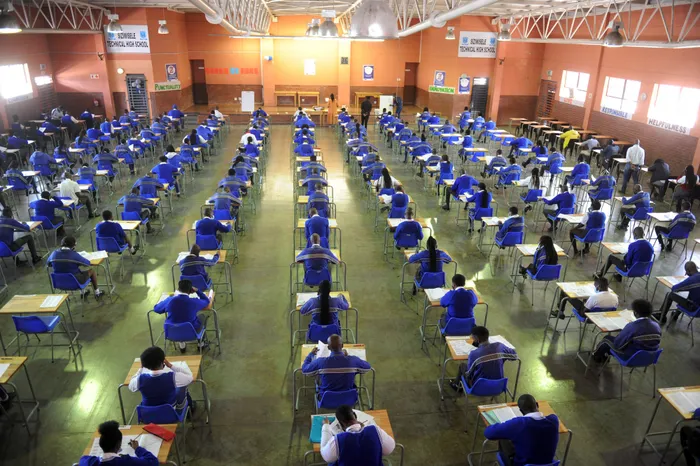
Image: Ayanda Ndamane / Independent Newspapers
While the Umalusi prepares to officially release the matric results across the country on Friday {January 9}, the South African Qualifications Authority (SAQA) cautioned students against unregistered institutions.
SAQA’s Acting Chief Executive Officer, Dr Makhapa Makhafola, reiterated that “while this period is one of hope, excitement and new beginnings, it is equally a time when learners and parents are most vulnerable to misinformation by unregistered institutions that seek to take advantage of the urgency to secure study opportunities.
Makhafola urged all matriculants and parents to exercise caution and verify institutions and qualifications before making any application or registration payments. Matriculants are advised to be alert to red flags such as institutions not being able to prove registration with the Department of Higher Education and Training (DHET), offer qualifications that are not registered on the National Qualifications Framework (NQF), or make unrealistic promises such as guaranteed admission, fast-tracked degrees or guaranteed employment.
Matriculants’ attention is also drawn to the list maintained by the DHET of registered, provisionally registered and deregistered Private Higher Education Institutions, as well as a register of Private Colleges, which is accessible to the public on their website at www.dhet.gov.za.
“Those who discover that they are enrolled at an unregistered institution are advised to stop making further payments immediately and report the matter to SAQA and DHET,” Makhafola said.
It is also advised that learners should retain all documentation and proof of payment, and seek guidance on alternative, legitimate learning pathways. SAQA works closely with DHET, the Quality Councils, law-enforcement agencies and other stakeholders to investigate misrepresentation related to qualifications and NQF claims.
Makhafola said where institutions are found to be operating illegally, appropriate actions may be taken. It is further warned that learners who unknowingly enrol at unregistered or illegal institutions face serious risks, including the loss of time and money, qualifications that are not recognised by employers, professional bodies or universities, and limited or no opportunities for further study or career progression. These consequences can have long-term personal and professional implications.
SAQA said it remains committed to safeguarding the integrity of the NQF while protecting learners, parents and employers from these fraudulent and illegal practices. Learners who did not achieve their desired results are meanwhile encouraged to not lose hope, as opportunities such as the Second Chance Programme provide valuable pathways to improve their subjects – ensuring successful completion of their National Senior Certificate.