Fashion psychology: the hidden impact of colour on your child's energy and behaviour


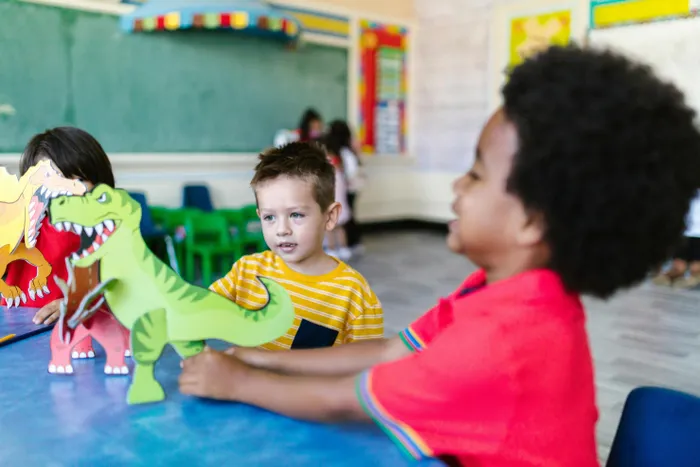
Beyond the specific psychology of colours, how you manage your child's wardrobe can become a "secret weapon" for managing their daily transitions and self-regulation.
Image: Pexels.
Ever noticed how your toddler goes full throttle in that bright red tracksuit, but seems a bit more chilled out in blue pyjamas? It’s not just a coincidence.
For kids, colour is like a silent language. Because their nervous systems are still developing, they are much more sensitive to the vibe of a colour than we are.
By picking the right hues, you can actually help nudge their energy and behaviour in the right direction.
Here is a quick guide to colour-coding your child’s wardrobe for a happier day.
High-energy tones: red, yellow and orange
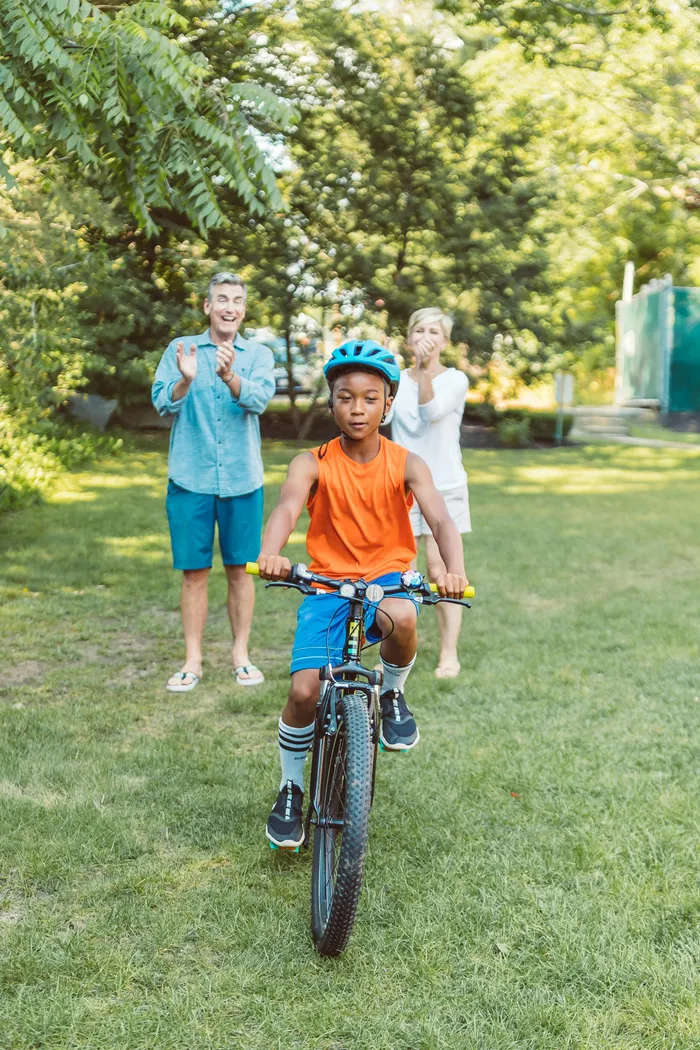
Orange is a great choice for playdates or sports.
Image: Pexels.
These colours are known as stimulants. They have longer wavelengths and are processed by the brain as high-alert or high-activity signals.
Red: Often associated with excitement and physical energy. While it can make a child feel bold and brave, too much red, especially for a child prone to hyperactivity, might lead to increased restlessness or even minor irritability.
Yellow: The colour of happiness and concentration. It stimulates the logical side of the brain and can improve focus. However, an oversaturated yellow can sometimes feel overwhelming and noisy to a sensitive child.
Orange: This is a social colour. It encourages extroversion and playfulness. It’s a great choice for playdates or sports, as it fosters confidence and communication.
Calming tones: blue and green
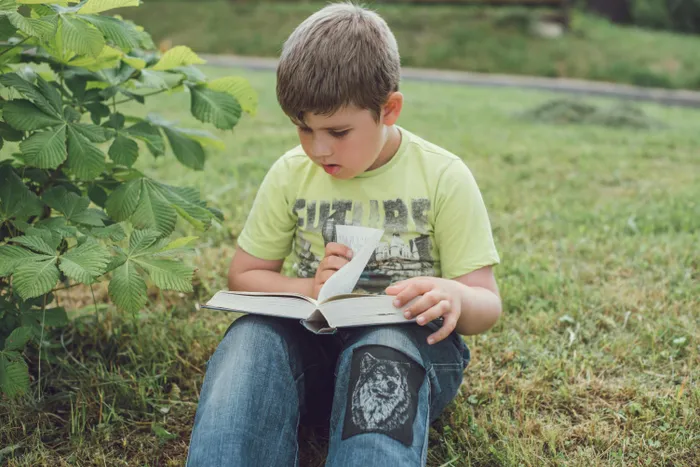
Because children are often more sensitive to sensory input than adults, the colours they wear can subtly nudge their mood or energy in different directions.
Image: Pexels.
These colours have shorter wavelengths and are generally perceived as soothing. They are the down-regulators of the colour spectrum.
Blue: Known to lower heart rates and body temperature. Light blues promote a sense of peace and are excellent for bedtime or school environments where a child needs to stay centred. Darker blues can sometimes feel a bit heavy or sombre if worn constantly.
- Green: Because it is the most common colour in nature, the human eye associates it with security and balance. It reduces anxiety and is often linked to improved reading speed and comprehension.
Creative and gentle shades: pink and purple
These colours often bridge the gap between high energy and deep calm.
Pink: Scientifically noted for its tranquillising effect. It is deeply associated with feelings of being nurtured and safe. It can help settle a child who is feeling agitated.
Purple: Historically linked to creativity and mystery. It combines the stability of blue with the energy of red, making it a great choice for children who love arts, crafts and imaginative play.
The neutrals: grey, black and brown
While stylish, neutrals have a different psychological footprint.
Grey and black: While sleek, these colours lack the emotional fuel of brighter tones. If a child wears exclusively dark colours, they might lack the sensory stimulation that helps drive an upbeat mood.
Brown: Provides a sense of stability and groundedness. It’s a great choice for children who feel easily overwhelmed by their environment, as it feels solid and reliable.
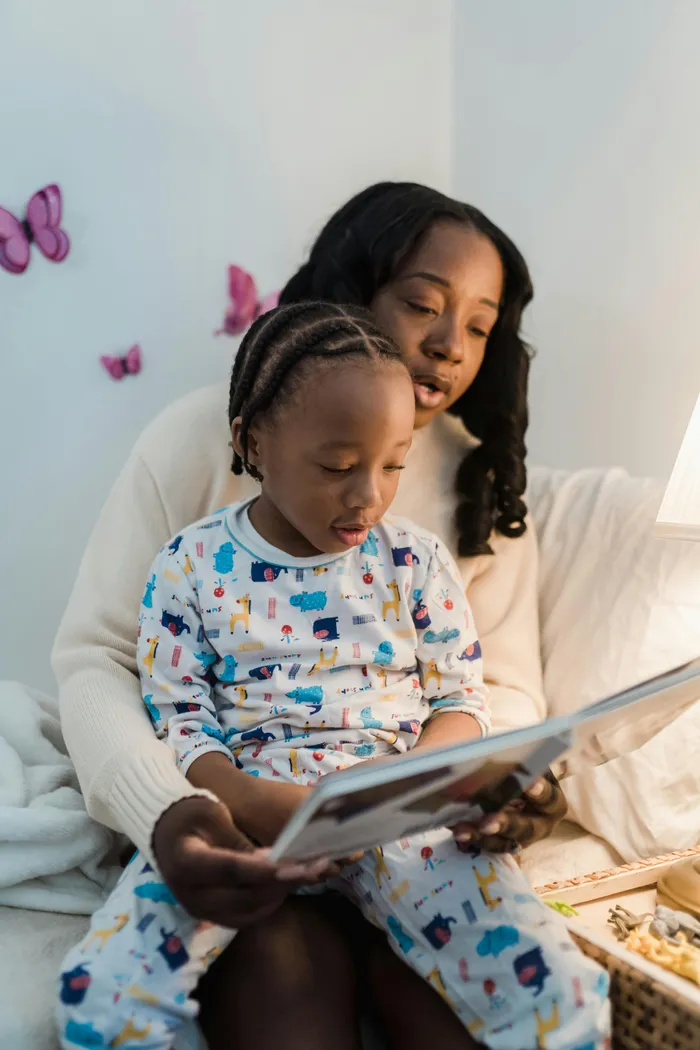
Choosing pyjamas in white, cool blues, soft lavenders or pale greens sends a biological signal to the brain to start producing melatonin.
Image: Pexels.
Practical tips for parents
The context rule: Save the bright oranges and reds for the playground, but switch to soft blues, greens or pastels for winding down periods or school.
The pyjama trick: For bedtime, switch to white, cool blues, soft lavenders or pale greens. These colours send a biological signal to the brain to start producing melatonin when it’s time to sleep.
Let them lead: As children grow, they often subconsciously gravitate toward the colour they need emotionally. If your child suddenly insists on wearing yellow every day, they might be looking for a boost in confidence or mental clarity.
Experiment with a "colour week"
If you’re curious about how colour specifically affects your child, try a one-week experiment:
Days 1-2: Dress them in vibrant, warm tones (red/orange).
Days 3-4: Dress them in cool, muted tones (blue/green).
Observation: Note their activity levels, how long it takes them to fall asleep, and their general cooperativeness.