Healthcare for all: how South Africa is transforming access through proactive care


Reimagining healthcare in South Africa
Image: Vuyile Mdadwantsi
For the average South African, the healthcare journey is often defined by a single, exhausting word: "wait".
It is a wait that begins at 5am in a clinic queue, extends through months of specialist referrals, and, for many, ends in a desperate race against time. In the public sector, where a staggering 80% of the population relies on just 40% of the country’s doctors, the strain has reached a breaking point.
Nowhere is this more evident than in the treatment of non-communicable diseases (NCDs) such as cancer and diabetes.
NCDs encompassing a range of serious conditions, including cardiovascular diseases, chronic respiratory diseases, and mental health issues, account for over 50% of all deaths in South Africa. Alarmingly, diabetes alone affects approximately 4.2 million adults, with nearly half remaining undiagnosed.
While national guidelines suggest cancer treatment should begin within three weeks, patients in Gauteng face an average wait of over eight months just for an initial oncology consultation.
In the Western Cape, surgical backlogs for non-emergency procedures have ballooned, with some patients languishing on lists for five years or more.
While oncology and surgery grab headlines, South Africa is facing a quieter, deadlier surge. NCDs now account for more than half of all deaths in the country. Diabetes alone affects an estimated 4.2 million adults, yet nearly half remain undiagnosed.
The tragedy of the South African healthcare narrative is that these conditions are manageable if caught early. However, for a working-class citizen, "early detection" is a luxury.
The cost of transport, the loss of a day’s wages, and the administrative hurdles of a fragmented system turn a simple blood sugar test into a monumental challenge. Most only seek help when symptoms become debilitating, shifting the burden to an already overwhelmed state hospital system.
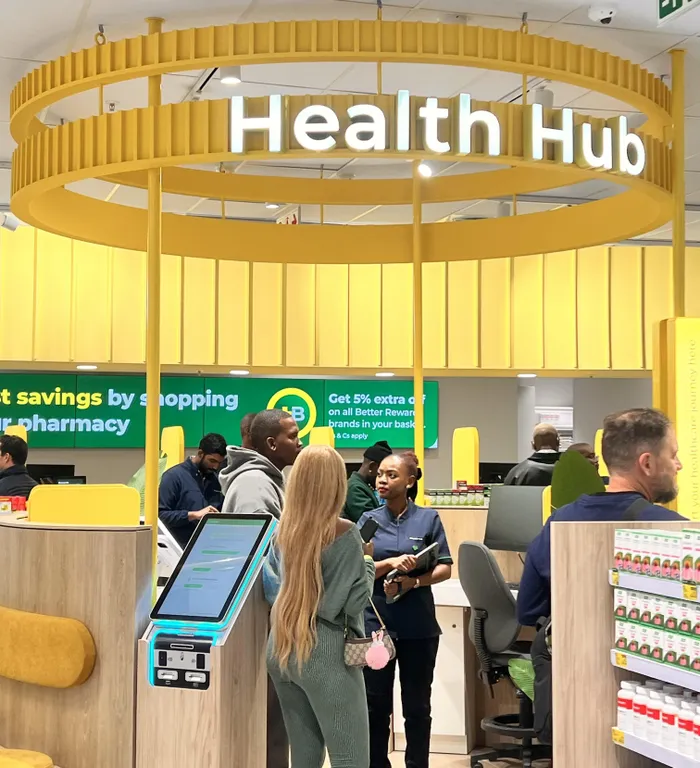
It is against this backdrop of systemic friction that Dis-Chem recently unveiled its health hub concept in Melrose Arch. The model attempts to collapse the distance between daily life and medical intervention by housing a pharmacy, clinic, nurse consultations and virtual GP services under one roof.
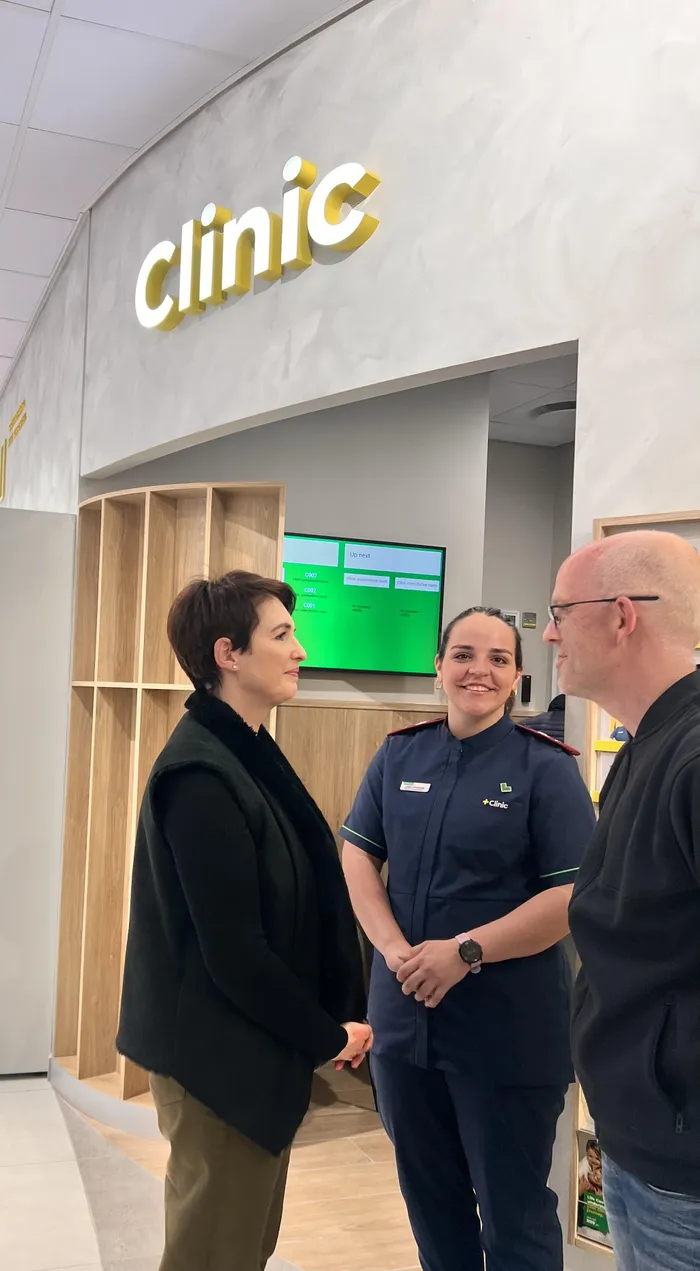
While the Health Hub is not a cure-all for the failings in public healthcare infrastructure, it provides a practical bridge
Image: Vuyile Madwantsi
“South Africans have long had to navigate their healthcare alone,” said Dis-Chem CEO Rui Morais. The hub’s goal is to move healthcare from reactive to preventative.
By integrating diagnostic testing into a retail environment, the model aims to catch hypertension and high blood sugar before they escalate into strokes or kidney failure.
The concept is an attempt to "democratise" the first point of contact. By making a screening as accessible as a grocery run, the private sector is essentially offering a "fast lane" for primary care.
However, a shiny retail concept cannot single-handedly fix a national crisis. Several critical gaps remain:
While the health hub is a blueprint, the NCD burden is heaviest in rural and peri-urban areas. Until this model scales into the "pharmacy deserts" of the country, its impact on national health statistics will remain limited.
A health hub can diagnose a patient in minutes, but it cannot perform chemotherapy or complex cardiac surgery. Once a patient is referred back into the public sector for tertiary care, they hit the same "specialist wall" and equipment backlogs that define the current crisis.
System integration: For this to truly relieve the state, private hubs and public hospitals must share data. Currently, the lack of a unified digital health record means a diagnosis in a hub may not seamlessly translate into a treatment plan in a state facility.
This move in the South African landscape is a move toward "frictionless" healthcare. It acknowledges a hard truth: people don't avoid doctors because they don't care; they avoid them because the system is exhausting.
While it isn't a silver bullet for the state's crumbling infrastructure, it offers a pragmatic bridge. If the private sector can peel away the millions of "stable" chronic patients from hospital queues through convenience and early prevention, it may finally give the public sector the breathing room it so desperately needs.